
In industrial operations management, equipment budgets are always a challenging problem. Many people focus only on the purchase price at the time of payment while overlooking the concept of Total Cost of Ownership (TCO) throughout the equipment’s 5–10 year lifecycle.
Instead of choosing the cheapest hydraulic jack, prioritize its long-term value
In today’s market, many unbranded hydraulic jacks are sold at extremely attractive prices. However, behind those seemingly cost-saving numbers lie significant hidden risks.
Low-cost hydraulic jacks often involve the use of recycled steel or low-strength alloys. More importantly, the seal system—the “lifeline” of the hydraulic system—is usually made from low-quality rubber that deteriorates quickly and causes oil leakage under high pressure.
If you purchase a jack that is 30% cheaper than the listed price from authorized distributors but have to stop operations for repairs after a few months, the real cost will no longer be limited to the initial purchase price. You will also incur additional expenses such as: Purchase Price + Spare Parts Cost + Labor Cost + Downtime Cost.
In many cases, the financial loss caused by just one day of downtime can exceed the price of a genuine hydraulic jack several times over.
Therefore, investing in internationally recognized hydraulic jack brands such as Enerpac or Masada is a far more economical long-term solution for businesses.
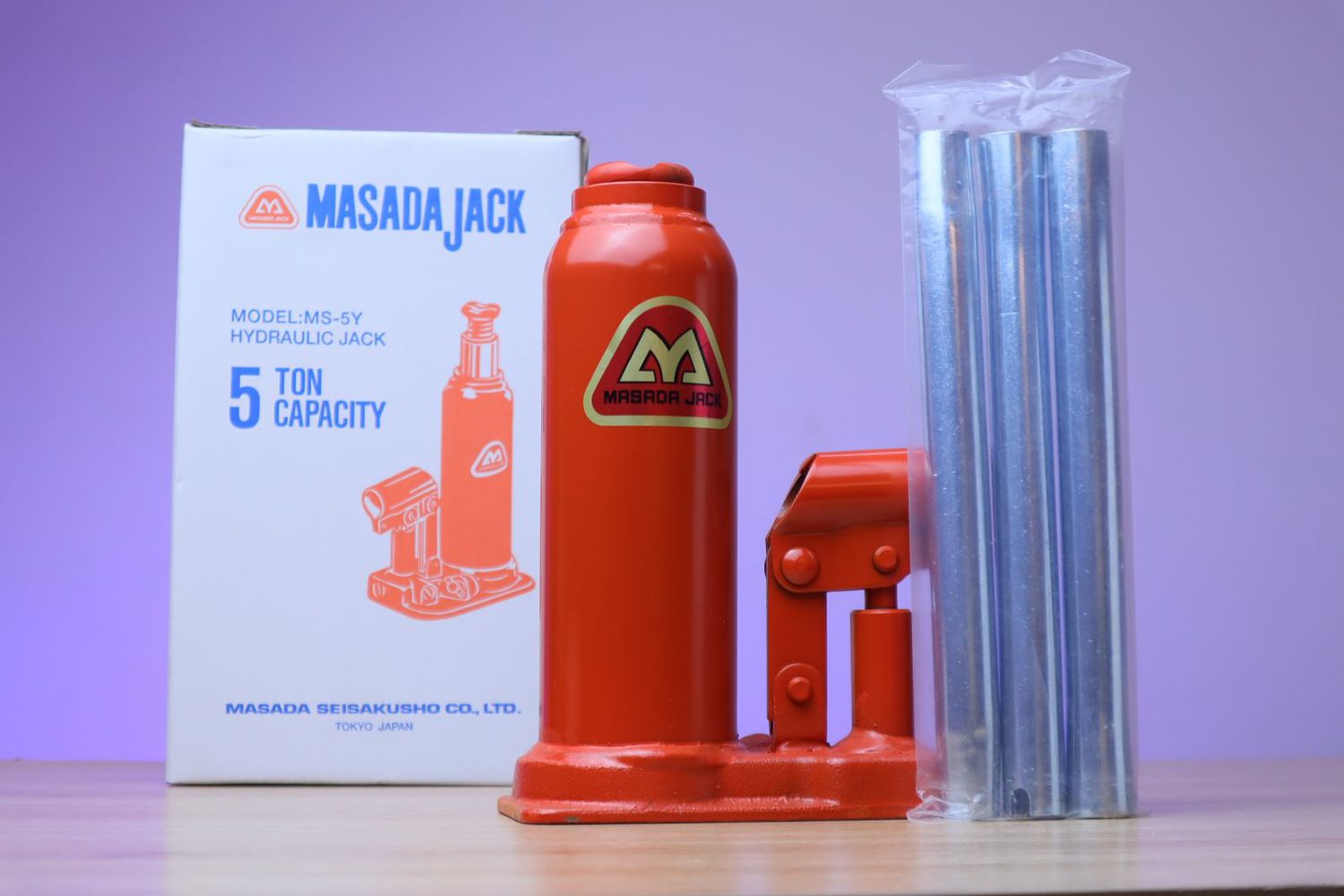
5 Tips to Extend the Lifespan of Hydraulic Jacks
To ensure that your equipment continues operating reliably like new, operators and businesses should pay attention to the following key practices:
Never overload the jack
This is the leading cause of piston rod bending or seal failure. A safe rule is to operate at no more than 80% of the rated load capacity. For example, if you need to lift a 50-ton load, consider using a 60-ton or even 100-ton jack to ensure smooth operation and durability.
Regularly inspect the hydraulic oil system
Contaminated, oxidized, or metal-particle-filled oil will wear down internal valves and seals. Hydraulic oil plays both lubrication and force transmission roles, so its clarity should be checked periodically and replaced immediately if it becomes cloudy or develops a burnt smell.
Clean the equipment after each use
Dust, sand, or metal shavings on the piston rod can scratch its surface and damage seals when the piston retracts. Sometimes, simply wiping the piston rod with a clean cloth after each work shift can save millions in repair costs.
Bleed the air from the system periodically
Air entering the hydraulic system can cause jerky movement, uneven lifting, or incomplete piston extension. Proper bleeding ensures smooth and stable hydraulic flow.
Store equipment in a dry environment
Moisture can easily cause rust on return springs and metal components, especially during humid seasons such as those common in northern Vietnam. Store jacks in dry locations or use industrial dehumidifying cabinets if the equipment includes sensitive electronic components.
Read more: Problems when using a hydraulic jack? How can they be fixed?
The Role of Calibration and Periodic Inspection
Many people assume that only electronic measuring instruments require calibration. This is a misconception.
For lifting systems that operate frequently, periodic force calibration—by checking hydraulic pressure and actual pushing force—can detect early signs of failure such as leaking check valves or reduced compression force before serious accidents occur.
A jack with inaccurate specifications can also cause imbalance when lifting large structures such as bridge girders, increasing the risk of workplace accidents. Therefore, calibration is essential. Businesses should choose reputable calibration providers that not only issue ISO-compliant certificates but also provide technical consultation to keep equipment operating at peak performance.
Choosing the Right Equipment from the Start Helps Reduce Costs
Proper maintenance and correct operation can significantly reduce costs—but cost optimization can begin even earlier at the purchasing stage.
An overpowered jack wastes investment, while an underpowered one will quickly fail due to overload.
Avoid buying jacks with lifting strokes that are too short for actual needs. Using additional blocking materials increases the risk of load instability or slipping. Workspace conditions should also be considered. If the clearance is narrow, choose a low-profile jack to avoid unnecessary modifications to surrounding structures, which can increase both time and cost.
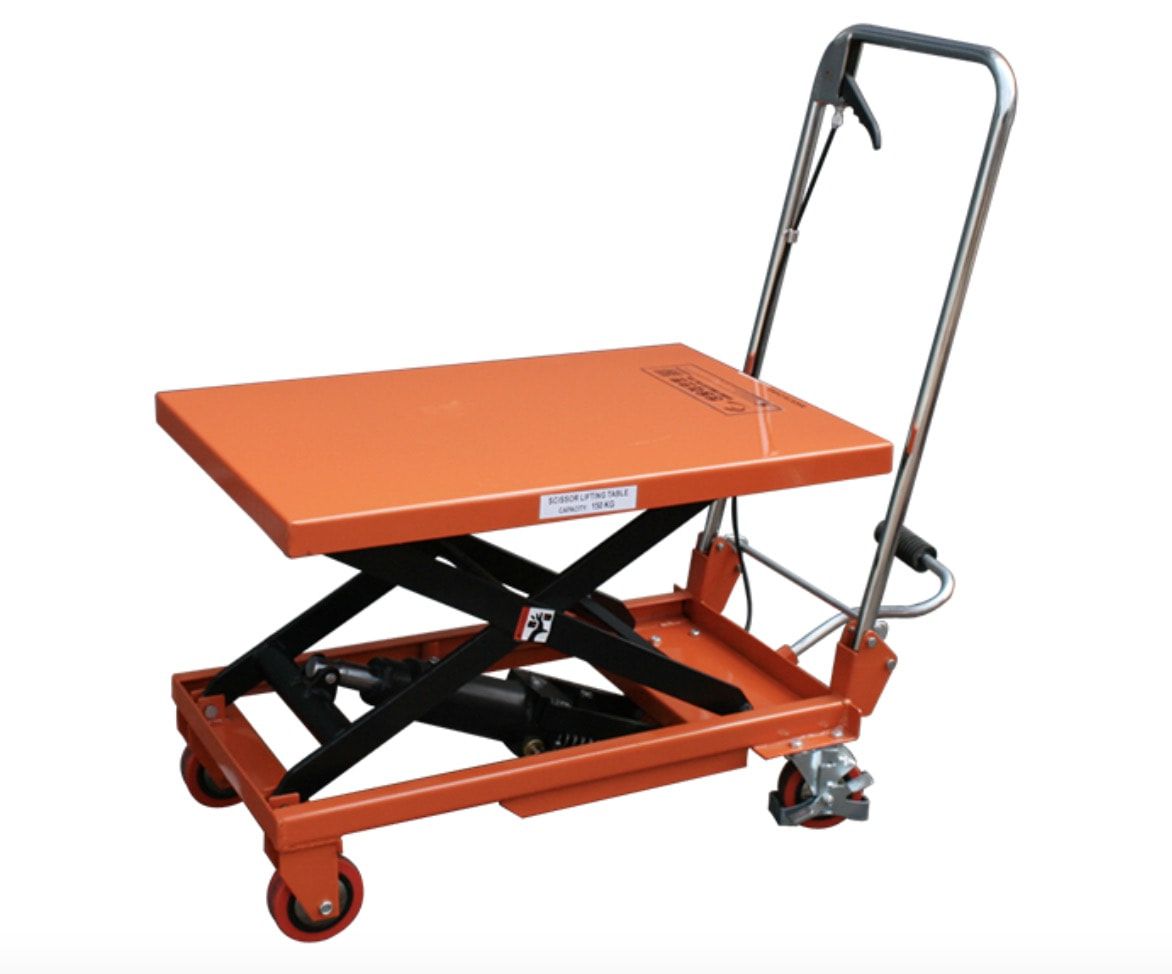
Cost optimization does not mean choosing the cheapest option available—it means selecting the most durable and effective solution for the future. By performing simple maintenance routines, operating equipment correctly, purchasing genuine products, and conducting periodic calibration, businesses will significantly reduce their overall costs.
Are you looking for durable hydraulic jacks that help reduce operating costs? Visit the Genuine Hydraulic Jack product category or contact the hotline to receive expert consultation from EMIN technicians and find the most suitable solution for your needs.




