Perform a visual inspection to detect signs of deterioration
The surface of the mat often reveals a great deal about the material's lifespan. Deep tears, soldering iron burns, coating delamination, or blistering can all alter electrical conductivity properties. For mats that have been in use for years, stiffened or brittle edges and the appearance of cracks are also signs that the material structure is deteriorating.
Beyond natural wear and tear, cleaning chemicals also significantly impact the mat's lifespan. Certain harsh cleaning solvents can damage the static-dissipative layer, causing changes in surface resistance even if the mat still looks relatively new.

Measure surface resistance to evaluate static dissipation capability
Visual inspection reveals only the material's outward appearance; surface resistance measurement is the preferred method for determining whether the mat retains its antistatic properties.
A common testing procedure involves placing two standard electrodes on the mat's surface, spaced approximately 25.4 cm apart and at least 5 cm from the edge. The testing device applies a voltage of 10 V or 100 V depending on the resistance range to measure the material's resistance value.
In most ESD-controlled areas, surface resistance typically falls within the 10⁶ Ω to 10⁹ Ω range. If the value exceeds this limit, the material's charge dissipation capability begins to decline. Conversely, excessively low resistance should also be evaluated in accordance with the specific standards adopted by the enterprise.
Measure grounding resistance to evaluate the electrical discharge path
The ability to dissipate electric charge loses its significance if the charge cannot be transmitted to the grounding system.
The Resistance to Ground (RTG) measurement is performed by placing an electrode on the mat's surface and connecting the other end to a common ground point. The resulting value reflects the quality of the entire discharge path from the mat surface to the ground.
Abnormally high RTG values are often associated with a broken ground wire, a loose snap fastener, or contact points that have oxidized after prolonged use.
How often should ESD mats be re-evaluated?
The assessment cycle depends on the work environment and the specific regulations of each factory. Production lines for electronics, SMT, and semiconductors, as well as cleanrooms, typically establish a periodic measurement schedule to monitor changes across the entire ESD system.
For areas with high operational frequency or frequent exposure to cleaning chemicals, the assessment interval should be shortened to detect early signs of material degradation.
Related articles: Reasons why anti-static measures are necessary in factories
Which equipment is suitable for evaluating ESD mats?
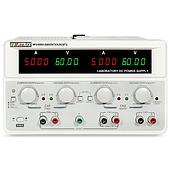
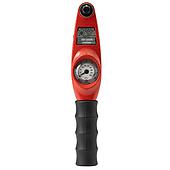
To determine mat resistance in accordance with standards, QA/QC departments typically use surface resistance meters paired with standard electrodes to measure surface resistance and resistance-to-ground.
These devices are widely used in electronics manufacturing plants, cleanrooms, and ESD-controlled areas to monitor the condition of anti-static mats, workbenches, ESD flooring, and various other static-dissipative materials.