In modern agriculture, water management involves more than irrigating when the soil appears dry. A plant's water requirements vary depending on soil type, weather conditions, growth stage, and conditions within the root zone. Soil moisture sensor help detect changes in moisture at the installation location, providing data that operators can use when determining suitable irrigation timing and schedules.
When combined with a display unit, data logger, or control system, a sensor can become part of a soil moisture meter or an automated irrigation monitoring system.
What Is a Soil Moisture Sensor ?
A soil moisture sensor is a device used to monitor the moisture content of soil over time. It can be viewed as a tool for assessing whether the soil around the plant roots has sufficient water or requires additional irrigation. Measurement results provide a useful reference for adjusting irrigation practices instead of relying solely on the appearance of the soil surface.
The value of the device lies in its ability to record changes in soil moisture. After rainfall or irrigation, as well as during periods of high temperatures and strong evaporation, soil moisture levels can change significantly. Continuous or periodic monitoring helps users identify these trends more clearly.
What Equipment Commonly Uses Soil Moisture Sensors ?
Soil moisture sensors can be used in various types of equipment and monitoring systems. Common applications include:
Handheld Soil Moisture Meters
These devices are designed for quick soil moisture checks in the field. Users insert the probe into the soil and read the measurement directly from the display.
Handheld soil moisture meter is suitable for measurements at multiple locations, including farms, orchards, nurseries, and landscaped areas.
Fixed Soil Moisture Monitoring Systems
In areas that require continuous monitoring, sensors can be permanently installed at one or multiple measurement points. The collected data may then be transmitted to a display unit or data logger.
This configuration is suitable for high-tech agriculture, greenhouses, and cultivation areas where changes in soil moisture need to be monitored over time.
Automatic Irrigation Control Systems
This application is directly related to irrigation management. Soil moisture sensors are connected to irrigation controllers to provide information about soil conditions.
Depending on the system configuration, sensor data can be used as one of the conditions for adjusting irrigation cycles. A typical system may include:
Soil moisture sensors
A controller or PLC
A display unit or data logger
Solenoid valves
Pumps or water supply systems
In this configuration, the sensor does not perform irrigation directly. Instead, it provides data that the control system uses to assess operating conditions.
Agricultural Monitoring Stations and IoT Systems
In larger-scale management systems, soil moisture sensors can be connected to environmental monitoring stations or IoT systems.
In addition to soil moisture, the system may monitor temperature, air humidity, rainfall, and other environmental parameters. These data can be collected to help managers assess cultivation conditions and develop irrigation plans.
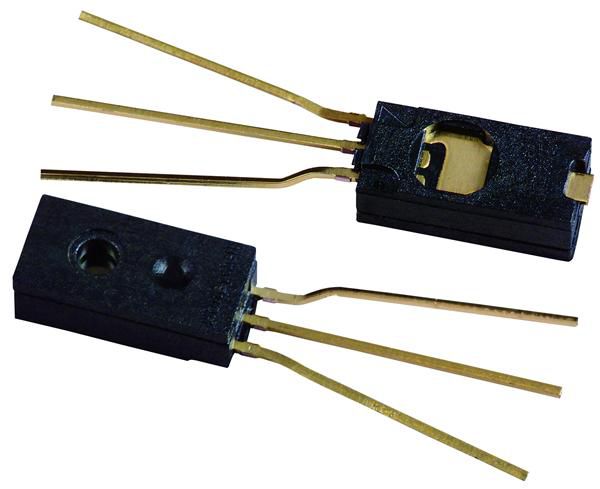
The Role of Soil Moisture Sensors in Precise Irrigation Management
Precise irrigation aims to supply water in a way that better matches actual crop and soil conditions. Data from soil moisture sensors can support more systematic irrigation planning and reduce reliance on habitual or uniform watering practices.
In controlled operating systems, soil moisture data can also serve as useful input for evaluating the effectiveness of an irrigation cycle. Users should treat sensor data as decision-support information and consider it alongside plant conditions, weather, rainfall, and site-specific soil characteristics.
Applications in Precision Agriculture
Precision agriculture is one of the most important application areas for soil moisture meters. Monitoring moisture levels in cultivation areas can reduce dependence on water management practices that lack measurement data. The objective is to maintain more suitable moisture conditions for crops while using available water resources more carefully.
Applications in Greenhouses
Greenhouses provide a more controllable environment than outdoor cultivation areas. Monitoring soil moisture in this environment allows operators to observe how the soil responds after each irrigation cycle and adjust water delivery according to actual growing conditions.
Landscaping, Green Areas, and Soil and Water Conservation
In parks, lawns, and landscaped areas, proper water management can help maintain healthy plant growth. In soil and water monitoring activities, changes in soil moisture may also provide useful reference data when assessing risks associated with soil erosion.
Factors That Affect Measurement Results
Measurement results from soil moisture sensors can be influenced by several factors, including:
Soil type: Differences in water retention and permeability between soil types can affect moisture distribution and measurement results.
Soil compaction: Compacted soil may slow water movement, affecting moisture conditions around the measurement location.
Installation depth and angle: An unsuitable installation position may reflect surface water or soil conditions that are not representative of the root zone being monitored.
Salinity: Highly saline soil can affect electrical conductivity and interfere with moisture measurements from certain types of sensors.
Equipment condition: Electronic components may degrade over time or become damaged in harsh operating environments.
Installation and Operating Considerations
First, the representative soil area to be monitored should be identified. The installation location of the soil moisture sensor should support observation of the root zone rather than simply detecting standing water or surface moisture. Installation depth and sensor orientation should also be carefully considered to avoid unnecessary measurement errors.
When introducing equipment into a new system or comparing devices from different manufacturers or models, measurement data should not automatically be assumed to be directly interchangeable. Calibrating the equipment before use and prioritizing similar devices within the same monitoring system is generally a more appropriate approach.
Regular inspection, cleaning, and calibration are recommended, particularly when sensors operate in soil under harsh conditions. Inspection intervals may be reviewed annually according to recommendations in relevant reference documentation while also taking the actual condition of the equipment into account.
Soil moisture sensors are useful tools for applications that require monitoring water conditions in the soil, ranging from precision agriculture and greenhouses to landscape maintenance. To obtain meaningful data, users should select representative installation locations, consider the effects of soil and environmental conditions, and inspect the equipment regularly. When used together with other cultivation information, soil moisture data can support more proactive irrigation decisions.
Frequently Asked Questions
Does Soil Moisture Change with the Seasons ?
Yes. Measurement results can vary depending on the season, rainfall, irrigation activity, evaporation, and plant water uptake. Therefore, soil moisture data should be interpreted in the context of cultivation conditions at the time of measurement.
How Can Soil Moisture Data Be Used Effectively ?
Sensor data should be combined with observations of crop conditions, soil characteristics, weather patterns, and irrigation schedules. This integrated approach can support more appropriate water management than relying on a single measurement parameter alone.
Do Soil Moisture Sensors Require Maintenance After Installation ?
Yes. Regular inspection and calibration of moisture sensor can help identify aging, damage, or inconsistencies in measurement data. This is an important step in maintaining the reliability of the monitoring process.