The extent of this effect varies depending on the application. It can also be influenced by the probe diameter, sheath material, insertion length, temperature difference, and flow conditions.
A Type K Thermocouple Inserted Too Shallow May Read Lower Temperatures
A Type K thermocouple may produce lower or unstable readings when the insertion depth is insufficient, particularly when there is a large temperature difference between the measured medium and the surrounding environment. In such cases, the error may not originate from the Type K sensing element itself but from the installation position, insertion length, protective sheath, pipe wall, or heat dissipation through the probe body.
The measuring junction of the Type K thermocouple should be positioned within the area where the temperature needs to be determined. Meanwhile, the probe body is exposed to the surrounding environment and can transfer heat from the measuring junction toward cooler areas.
For example, suppose a pipe contains oil at 150°C while the outside temperature is only around 30°C. If the probe is inserted too shallowly, some of the heat at the measuring junction may be conducted through the probe body toward the pipe wall and mounting assembly. As a result, the sensor may indicate a temperature lower than the actual temperature of the oil.
Heat Conduction Along the Probe Body
The Type K thermocouple element is located at the tip of the sensor and comes into contact with the measured medium. When there is a temperature difference between the measurement area and the surroundings, heat can travel along the metal probe toward the cooler area.
If only a short section of the probe is immersed in the measured medium, the amount of heat transferred away from the measuring junction can have a significant effect on its temperature. This effect is more noticeable when the measured medium is at a high temperature while the pipe wall, mounting point, or surrounding environment is significantly cooler.
A Smaller Probe Does Not Necessarily Provide More Accurate Measurements
A Type K temperature probe with a smaller diameter generally has lower thermal mass, allowing it to respond more quickly to temperature changes. This is an advantage when rapid temperature variations need to be monitored.
However, a smaller Type K probe does not automatically eliminate errors caused by heat conduction. If the probe is still inserted too shallowly, heat can continue to flow away from the measuring junction.
Conversely, a larger-diameter probe generally offers better mechanical strength but has greater thermal mass and can also transfer more heat through its body. Probe selection therefore requires a balance between response time, mechanical durability, and the actual measurement requirements.
Choose the Right Measurement Location in a Pipe
For pipes, the installation position of a Type K thermocouple can directly affect the measurement result.
If the probe is too short, the measuring junction may be positioned too close to the pipe wall. The temperature in this area may not represent the temperature of the entire fluid flow, particularly when the temperature is not evenly distributed throughout the pipe.
In addition to insertion depth, the flow direction and installation position should also be considered. The goal is to place the measuring junction in an area with a representative and stable temperature while minimizing the influence of the pipe wall and the external environment.
Tanks Require Consideration of Temperature Stratification
If a Type K temperature sensor is installed only near the tank wall or close to the liquid surface, the reading may represent the temperature of only that particular area. In tanks with agitation, the probe should be positioned within an appropriate flow zone. For non-agitated tanks, the temperature layer that needs to be monitored should be identified before determining the required probe length.
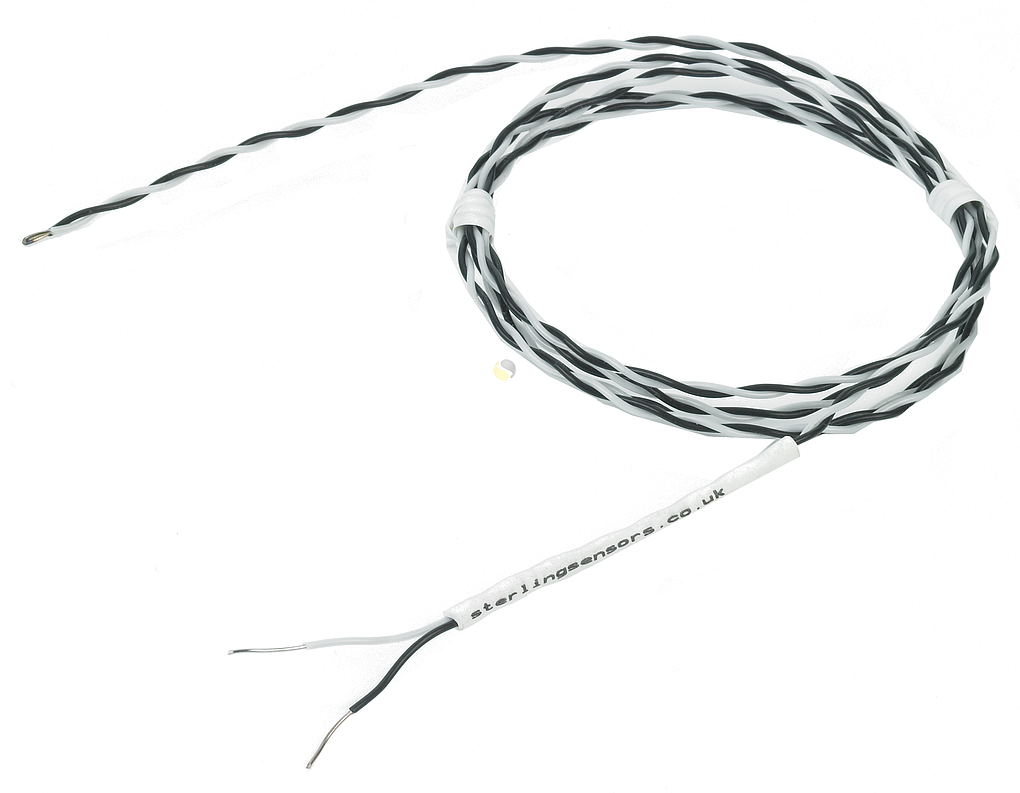
The Protective Sheath Also Affects Type K Thermocouple Measurements
In applications involving pressure, strong fluid flow, or corrosion risks, a protective sheath is often used to protect the Type K thermocouple. However, the sheath also introduces additional material between the sensing element and the measured medium.
The diameter, material, and insertion length of the protective sheath, as well as the probe dimensions, all affect heat transfer.
Therefore, when replacing a Type K thermocouple in an existing protection tube, the measurement characteristics may change if the new probe has a different diameter or sensor construction.
When Should the Measurement Be Checked Again ?
A Large Temperature Difference Between the Medium and the Surroundings
For example, a Type K thermocouple measuring a medium at 300°C inside a metal pipe installed outdoors will be affected differently from a probe measuring 40°C water in an indoor environment.
The higher the temperature, the greater the temperature difference, and the shorter the insertion depth, the more significant the effect of heat conduction can become.
In some installations, insulating the area around the probe mounting point can also help reduce heat loss to the surrounding environment.
Check the Measurement Again
If the displayed temperature changes significantly when the insertion depth is changed, the measurement may be affected by the installation position or heat conduction through the temperature probe. In this case, check the following:
Determine whether the measuring junction is completely within the area being measured.
Check the length of the probe section immersed in the measured medium.
Examine the connection point between the sensor and the pipe wall, tank, or protective sheath.
Compare the reading with a Type K temperature sensor used as a reference and installed at a suitable position.
Each application has different heat-transfer conditions. When determining the insertion depth of a Type K thermocouple, consider the measured medium, probe diameter, sheath material, flow rate, and temperature difference between the measurement area and the surroundings.