Have you ever wondered if there's any way to completely block the air pollutants that are infiltrating your lungs every day? In urban air, these air pollutants are silently threatening health, causing everything from asthma to cancer.
Common and Less Common Air Pollutants and Their Origins
Common air pollutants like PM2.5, NO2, SO2, O3, and VOCs are ubiquitous. PM2.5 are fine particles from vehicle exhaust and factories, with a diameter of only 2.5mm, easily staying suspended for long periods. NO2 and SO2 are generated from the burning of fossil fuels, creating acid rain and harming the respiratory system.
Moving to less common types, Black Carbon (Soot) results from incomplete combustion, such as from honeycomb charcoal stoves. Ultra Fine Particles (UFPs), under 0.1 mum, are emitted from worn tires and diesel engines. HAPs (Hazardous Air Pollutants) like Benzo[a]pyrene (PAHs) or formaldehyde come from the paint and plastics industry, and even cigarette smoke.
These rarer substances often accumulate near industrial areas or highways. For example, Black Carbon from heavy trucks blackens the air near seaports.
Origin of Black Carbon
Impact of These Pollutants on the Human Body
The less common air pollutants attack deeper than you might think. Black Carbon penetrates the lungs, causing chronic inflammation and cardiovascular diseases by thickening the blood. Super-fine UFPs bypass the lung barrier, enter the bloodstream, and affect the brain, leading to cognitive decline in children.
HAPs are more dangerous, with PAHs like Benzopyrene causing DNA mutations and increasing the risk of lung cancer. Formaldehyde irritates the mucous membranes of the eyes, nose, and throat, and can even cause long-term liver and kidney damage. Ammonia from agricultural fertilizers can burn the respiratory tract.
In reality, WHO studies show that daily UFP exposure reduces lung function by 10-20%. You are more likely to encounter this near livestock farms or auto garages.
Is There Any Way to Eliminate These Air Pollutants?
Modern air purifiers like the BOHMANN B5.01 can effectively handle most air pollutants. The HEPA H13 filter removes 99.97% of PM2.5, BC, and UFPs down to 0.003 mum, surpassing conventional standards. Granular activated carbon absorbs formaldehyde, PAHs, and VOCs with high efficiency. The BOHMANN B5.01 has a 43W power consumption and purifies 136 m^3/h, suitable for a 40 m^2 room. In a test near a highway, it reduced UFPs by 90% after just 30 minutes, according to reliable sources like Camfil regarding HEPA Air Filters.
However, no machine filters 100% of all gases, such as ammonia, without UV-C technology. Combining the BOHMANN B5.01 with natural ventilation is ideal. Filters should be replaced every 6-12 months to maintain efficiency.
Further Reading: The Core Difference Between Dust Particles PM10, PM2.5, PM1.0, and Ultra-Fine Particles (UFP)
How to Identify and Avoid Areas with These Substances
Avoiding air pollutants starts with identifying the sources. Areas near steel mills or open waste burning sites are full of HAPs and BC—limit outdoor exposure during peak hours. Highways emit UFPs from tires and formaldehyde from new paint.
In rural areas, fertilized fields generate ammonia; wood stoves produce BC. For example, placing the air purifier near your bed ensures clean air throughout the night.
Furthermore, choose to live away from industrial zones and use electric vehicles to reduce personal NO2 contribution. According to the EPA, avoiding the two peak traffic hours cuts exposure by 70%.
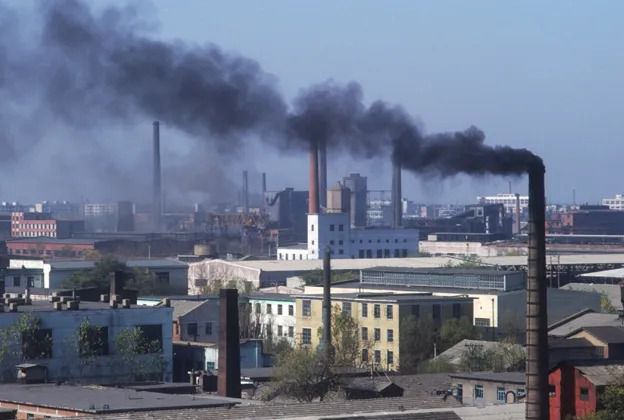
Factory Emitting Polluting Dust
Can All Air Pollutants Be Completely Prevented in Reality?
There is no way to prevent 100% of all air pollutants, as they spread from global sources. However, combining an air purifier like the BOHMANN B5.01 with a greener lifestyle can reduce the risk by 80-90%. Switching to renewable energy and urban tree planting are major supporting actions. In fact, Delhi's use of large-scale environmental air purifiers reduced asthma rates by 31%. In summary, while complete elimination of all air pollutants is impossible, a multi-layered solution provides optimal protection for you.
# DIFFERENTIAL PRESSURE METERS FOR AHUs, FCUs, AND AIR DUCT SYSTEMS
In an HVAC system, air does not move across different zones with the exact same pressure
Since August 2020, EMIN has been an official distributor of FOTRIC products and services in Vietnam. FOTRIC specializes in thermal imaging cameras and acoustic imaging cameras for electrical inspection, industrial maintenance, leak detection, research and development, and building inspection.
Since September 2018, EMIN has been an official distributor of JEIO TECH products and services in Vietnam. The company specializes in developing and manufacturing laboratory equipment, environmental testing equipment, and solutions for scientific research and industrial applications.
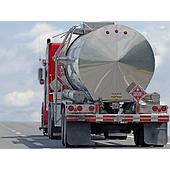
Non-destructive ultrasonic testing enables tank wall thickness measurements in areas prone to wear, corrosion, or high stress. This method helps assess the service condition of tanks used to transport hazardous materials or waste.
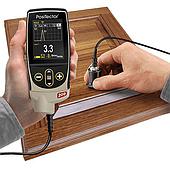
Ultrasonic coating thickness measurement is a non-destructive method for measuring dry coatings on wood surfaces and various wood-based materials. For total coating thickness measurements, the PosiTector 200 B1 is a suitable choice. The PosiTector 200 B3 can measure both total thickness and up to three individual coating layers, while the PosiTector 200 C3 is designed for thicker coatings.