Old Milling Machines Rich New Milling Machines
Benefits of buying used:
Investment Cost Savings: Of course, used milling machines are 30-60% cheaper than new machines, especially with big brands like Makita, Maktec, Bosch, ... suitable for small and medium enterprises that need to optimize finances.
High Processing Efficiency: Genuine used machines still ensure machining accuracy with errors lower than 0.01mm if carefully selected and well maintained.
High flexibility: Used CNC machines are suitable for many types of parts, easy to reprogram, can be upgraded or integrated into existing automatic lines without major modifications.

Risks encountered:
Buying a used milling machine may bring low initial costs, but it also has many long-term risks. First of all, the quality of the machine is difficult to verify because most of the important parts such as the main shaft, electrical system or bearings have undergone wear and tear, reducing efficiency and accuracy during the machining process.
The cutting tool may no longer be absolutely coaxial, causing the final product to have incorrect dimensions. In addition, many old machine models have stopped producing replacement parts, so when problems arise, repair costs will be high, even causing the production line to be interrupted due to waiting for parts for too long.
In addition, old milling machines almost no longer have genuine warranty, lack of instruction manuals, and even limited control software updates, causing difficulties in use. More dangerously, some "liquidated" machines of unknown origin may potentially have serious errors in the mainboard, driver or control system, causing unpredictable costly damage. Therefore, to ensure stable performance and safe investment, choosing new genuine milling machines such as CNC MAKITA RP2301FC or BOSCH GKF 550 distributed at EMIN will give you more peace of mind thanks to their clear origin, which has been carefully checked before leaving the factory.
Experience in Choosing to Buy and Avoiding the "Cheap" Trap
- Check the origin of the product: Choose places that provide transparent information about the machine's history such as year of manufacture, brand, number of maintenance times, and factory documents. In Vietnam, addresses such as Bosch, Makita or Maktec are highly appreciated for their quality and after-sales service.
- Clear warranty policy: At EMIN, used milling machines are committed to a long-term warranty policy and 24/7 technical support, helping businesses feel secure in production.
- After-sales service, consulting: The team of engineers will support checking and consulting to choose the right machine for your needs, helping you consider between 2-head, 3-axis or 4-axis milling machines.
- Comprehensive Inspection Before Recording
- Test the machine before buying: Check the operation of the shafts, sensors, main shaft, control panel, ... should test at least 30 minutes in many different processing modes.
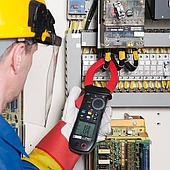
Check replacement parts: Prioritize the type with popular components, easy to upgrade and evaluate the overall electrical system: Check the wires, sensors, limit switches, because many old machines often have electrical leaks, sensor errors.
Suggestions for buying a good price milling machine
The Makita M3600B milling machine is certainly no stranger to many people, with a design and usage that is very popular today, especially in the wood industry, possessing a powerful 1650W engine and a no-load speed of up to 22,000 rpm, providing high performance and excellent precision for milling, grooving, shaping and mortising operations on wood. Compact design, convenient handle for easy operation and reduced fatigue when used for a long time.

The machine has the ability to flexibly adjust the milling depth from 0 to 60mm, with a large 12.7mm jaw, compatible with many types of milling bits, suitable for a variety of jobs from milling flat, inclined to complex details. The safety system with spindle lock button and anti-accidental start effectively protects the user.
With a weight of 5.5 kg and a 2.5m long power cord, the Makita M3600B milling machine operates stably, suitable for both professional and DIY carpentry workshops. This is the optimal choice to increase productivity, ensure accuracy and durability in woodworking work.
In conclusion, should you invest in a used milling machine? Answer: In fact, this depends on the needs and investment capabilities of each unit. If the budget is limited and the job does not require too much durability or modern features, a used milling machine can be a temporary choice. On the contrary, for those who need to invest long-term and are not confident about old mechanical processing equipment, I recommend investing in a new milling machine as a safer direction.
In addition, you can refer to the article on Milling Machines at EMIN to make the best choice for yourself:
6 safety notes when using wood milling machines that users cannot ignore