What Do the Recently Released July Global Semiconductor Sales Figures Reveal?
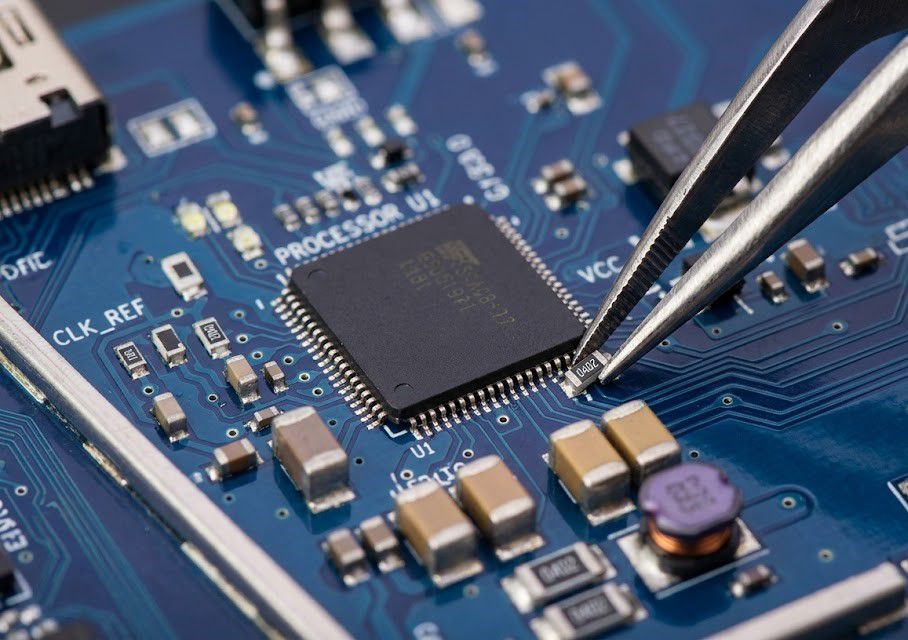
On September 4, the Semiconductor Industry Association (SIA) reported that global semiconductor sales reached $146.8 billion in July, representing a 135.1% increase compared to the same period last year. As a regular monthly report published just days ago, these figures represent brand-new data rather than historical retrospective summaries.
Looking at the broader perspective, total sales for Q2 2026 reached $403.3 billion, up 35.1% compared to Q1, as announced in early August. Total sales for full-year 2026 are projected to surpass $1.5 trillion, primarily driven by surging demand for AI data center chips. (Reference: https://www.semiconductors.org)
When Did the HJT Solar Cell Manufacturing Facility in the U.S. Begin Operations?
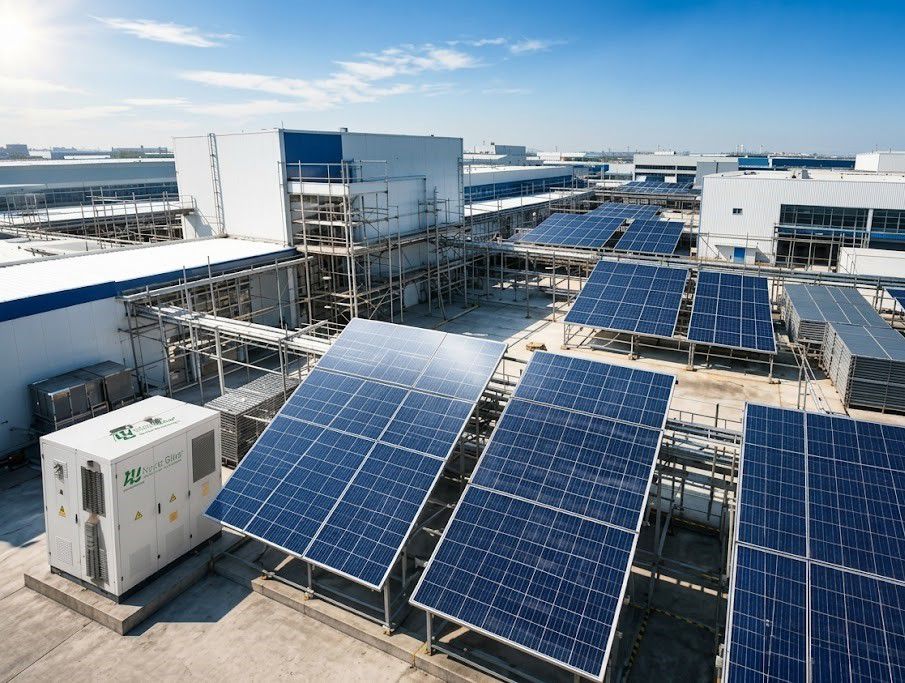
The most prominent highlight in energy hardware is heterojunction (HJT) solar cell technology, which is attracting significant attention in the U.S. Although its ribbon-cutting ceremony took place on July 24, CS PowerTech's gigafactory in Jeffersonville, Indiana, recently dominated global tech forums once again when the prestigious PV Magazine published an exclusive analysis of its live operations. This massive project, valued at nearly $1 billion, officially brought Phase 1 into operation with a capacity of 2.1 gigawatts, while aiming for a total capacity of 6.3 gigawatts upon full completion. This landmark milestone highlights how HJT solar cell technology is capturing widespread interest in the U.S., ushering in an era of clean energy independence and reduced reliance on external supply chains. (Source: Canadian Solar Investors)
What Is the Current Efficiency Record for Tandem Solar Cells?
Alongside the hardware race, the clean energy era is witnessing spectacular technological leaps, with HJT solar cell technology capturing significant interest in the U.S. The 34.85% efficiency record certified for LONGi Green Energy by the U.S. National Renewable Energy Laboratory (NREL) was originally announced in April 2025. By mid-July 2026, the industry giant broke its own record by pushing the efficiency of perovskite-silicon tandem solar cells to an unprecedented 35.5%. Independently verified by the European Solar Test Installation (ESTI), this achievement officially surpasses the theoretical Shockley-Queisser limit (33.7% for traditional single-layer silicon cells). By stacking perovskite material onto a silicon substrate to maximize absorption across the light spectrum, this technology is paving the way for a near-future commercial revolution in ultra-high-efficiency solar panels.
Commercialized Sodium-Ion Batteries Represent a Steady Market Accumulation
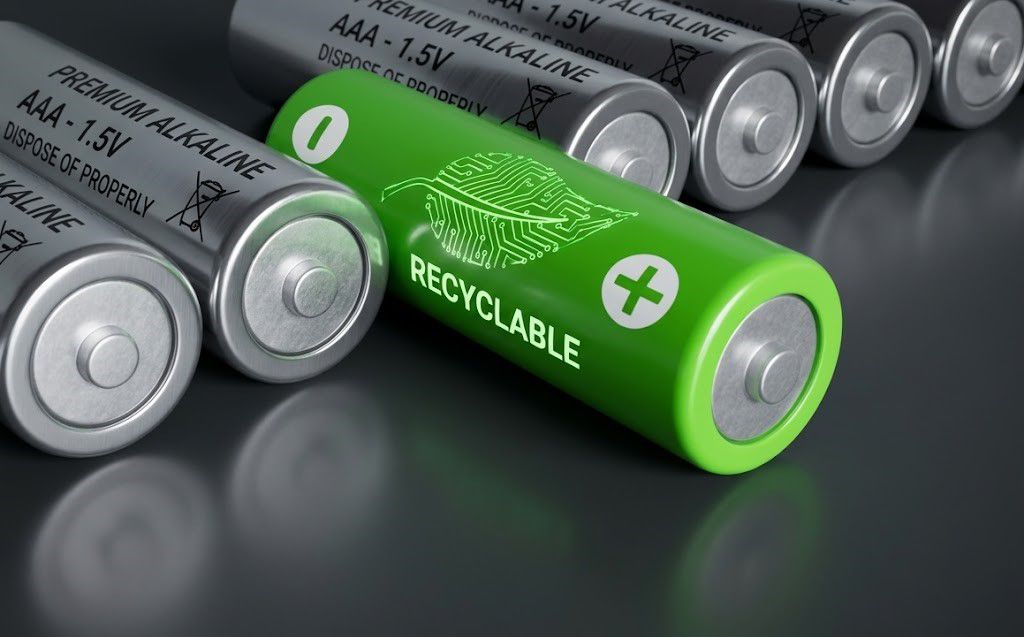
In the energy storage sector, the rise of Sodium-ion (Na-ion) battery technology is not a sudden leap, but rather a sustained, practical commercialization journey. Industry giant CATL has begun shipping sodium battery lines engineered for direct compatibility and integration into existing Lithium infrastructure without requiring structural redesigns. Simultaneously, a wave of sodium-powered electric two-wheelers has quietly entered the Chinese market. This technological transition curve has developed continuously from late 2023 to the present, proving that sodium batteries have moved beyond the laboratory to become a long-term commercial alternative, addressing the scarcity and high cost of lithium raw materials.
What Is the Outlook for the AI-Integrated Smart Grid Market This Year?
To operate this increasingly complex energy infrastructure, artificial intelligence (AI) is becoming an indispensable "brain" for global power grids. According to the latest market research reports, the AI-integrated smart grid sector is projected to reach $7.54 billion in 2026, growing strongly from $6.62 billion in 2025. This macro trend has unfolded over the past 12 months, driven by increasing pressure on grid operators to balance and dispatch intermittent supply from wind and solar power. This surge reinforces that AI is not confined to conversational software, but is actively maintaining the stability of global power flows.