Always keep yourself alert and calm
Always keep yourself calm no matter the situation. Calmness helps you think clearly and make accurate decisions, increasing the likelihood of a safe escape for yourself and those around you. Don't underestimate the ability to escape from a seemingly insignificant fire.
When you are calm, you can remember and apply the safety measures you have learned such as evacuation methods, using fire extinguishers, and how to protect yourself while waiting for help. To stay calm, practice breathing deeply and slowly, focusing on controlling your breathing. This helps reduce stress and anxiety and allows you to think more logically.
Also, remember that staying calm not only helps you, but can also reassure and support those around you, creating a positive, collaborative environment between those trying to escape a dangerous situation. dangerous. This is a basic survival skill that helps you face and escape any difficult situation.
Do not let the fire spread and extinguish it promptly when detected
When a fire is detected, quickly extinguish the fire from the beginning. One of the skills to escape from a fire is to use a fire extinguisher promptly. If a fire extinguisher suitable for the type of fire is available, use it immediately. Read the instructions carefully, stand at a safe distance and spray the fire extinguisher directly at the base of the fire. If you don't have a fire extinguisher, you can use a fire blanket to cover the fire, preventing further air exposure and extinguishing the fire. If the fire involves solids, water is also an effective option to extinguish the fire.
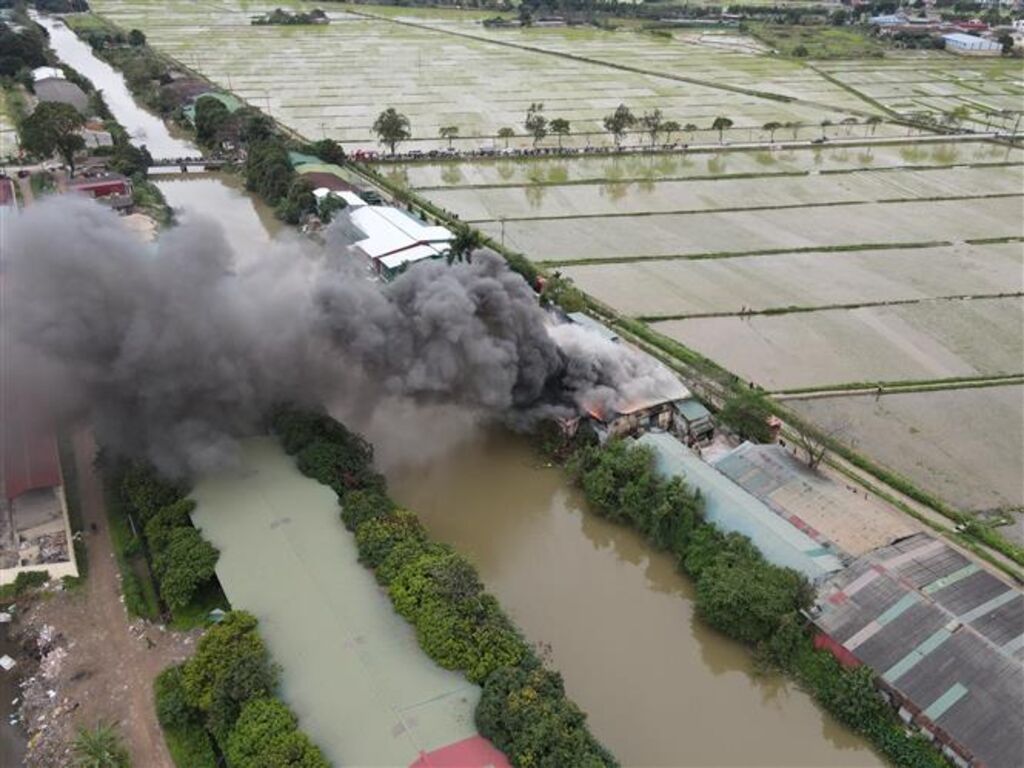
However, for fires involving grease or electricity, absolutely do not use water because it can cause splashes or electric shock. This is a survival skill to remember. Instead, try to isolate the fuel source by closing the gas valve, unplugging it, or moving flammable materials away. Even after the fire has been extinguished, continue to monitor it and be ready to extinguish it again if the fire flares up again through gaps or under burning materials. If the fire is too large and dangerous, quickly leave the area and call professional firefighting forces.
Plan ahead
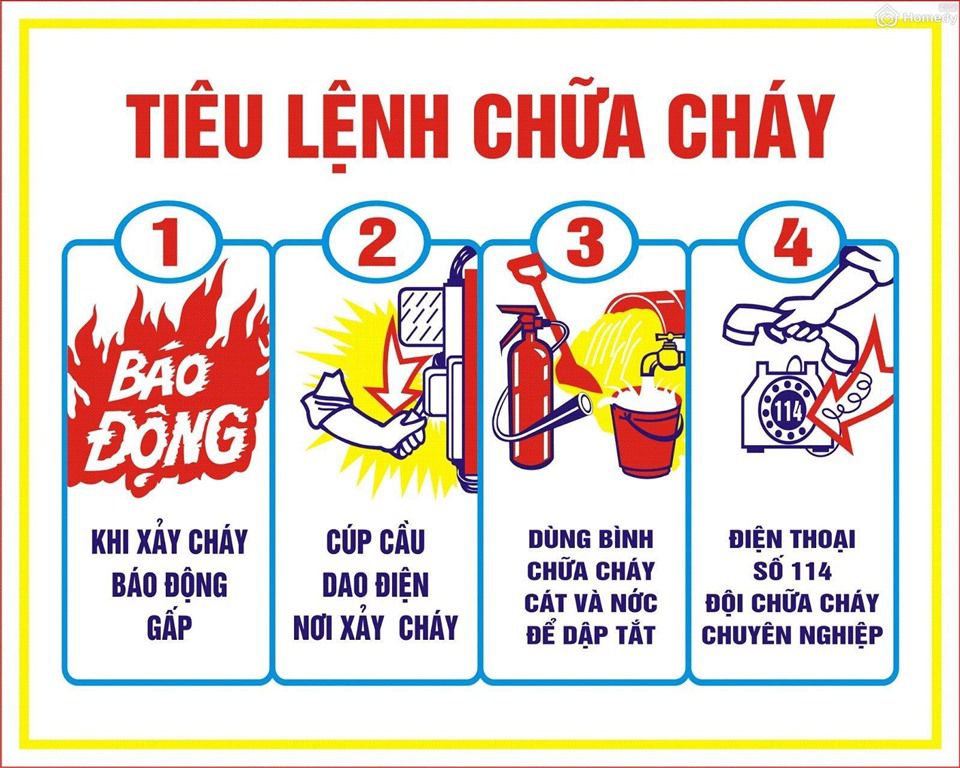
Planning is a fire escape skill that everyone needs to have. A specific escape plan and preparation in advance is essential, including identifying exit routes, safe meeting points and how to use equipment such as fire extinguishers or mini oxygen tanks. For this plan to be effective, each member of the family or organization needs to be clearly informed about the plan and participate in periodic escape drills.
Rehearsals help people become familiar with the plan and can act automatically when faced with real situations. The plan should also be updated regularly to reflect any changes in the living or working environment, such as moving furniture, repairing facilities, or changing members.
Planning ahead for fire and explosion prevention helps minimize risks, and also creates a proactive mentality in dealing with emergency situations, helping people stay calm and more confident when action is needed. fast.
Know the location of emergency exits
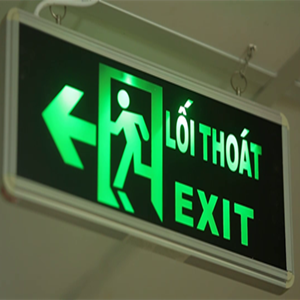
Toxic smoke from a fire spreads quickly and can seriously endanger your life if you stay too long. So be quick but don't panic, follow the previously instructed emergency exit.
Use emergency stairs instead of elevators, because elevators may lose power or get stuck during the evacuation process. Before opening the door, check the temperature by touching it. If the door is hot or there is smoke coming through the door, do not open it but find another way out.
When moving through smoke, stay low to the floor because the air near the ground is often fresher. Cover your mouth and nose with a damp cloth to filter out the smoke. If you encounter thick smoke, turn around and find another way. Move quickly but don't run because you may inhale more smoke.
Stand away from a safe area and call the fire department. If anyone is trapped, report their location to firefighters as soon as they arrive so they can quickly initiate a rescue.
Move properly when there is a fire
When moving in fire conditions, you need to take each step carefully and consciously to ensure safety. This is a fire escape skill that you need to remember. First of all, always stay calm and don't panic. Breathe regularly to control emotions. Calmness will help you assess the situation and make safe decisions.
When moving, crouch as low as possible to the floor. Smoke and toxic gases will accumulate above, while the air closer to the ground is usually fresher. Cover your mouth and nose with a damp cloth to filter out smoke and dust. Move slowly, do not run as this may cause you to inhale more smoke.
Use your hand to touch the door before opening it. If the door is hot, do not open it because there may be a fire on the other side. Find another way. If there are no obstacles, open the door slowly and observe carefully before moving.
Equip protective gear
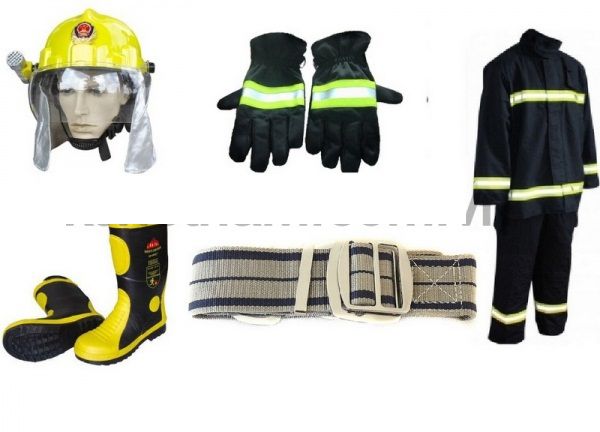
Wearing protective gear in case of fire is an important way to protect yourself from heat, fire, and toxic fumes. Protective gear may include respirators, heat-resistant gloves, fire-resistant clothing, and safety shoes.
Protective gear needs to be chosen to suit the specific environment and situation you may encounter. For example, in industrial environments with high fire risks, adequate and professional equipment is essential.
At home, keeping some basic equipment such as a smoke mask and heat-resistant gloves in easily accessible places will help you react quickly and safely when there is a risk of fire or explosion.
Besides equipment, knowing how to use them effectively is also important. Participating in safety and fire prevention training courses will help you understand how to use each type of equipment in specific emergency situations.
Skills to call for help and escape
The skills to call for help and raise the alarm in a fire situation help attract attention and receive timely assistance from surrounding people or rescue forces. To do this effectively, you need to know how to use appropriate means of communication under all circumstances.
If possible, use your phone to immediately call the fire service or local emergency number. Provide complete and accurate information about your location, the severity of the fire, and the number of people affected if any. State the important information rescuers need to know before arriving at the scene.
If you are stuck or cannot be reached by phone, use other means to get attention. This may include using flashlights, shouting, honking, or making noise by banging on windows or nearby objects.
In some cases, you can use a towel, shirt, or any other material to create a signal from the window or balcony, helping to attract attention from afar.
Additionally, if you are in a building with a fire alarm system, activate the system as soon as a fire is detected to notify everyone in the building. This gives people time to react and evacuate safely.
Conclude:
Above are my shares about fire escape skills. Remember and prepare yourself with enough knowledge to not have to face the worst situations!!!