Why Are Gold Prices Fluctuating So Sharply?
According to Nhan Dan Newspaper, the domestic market has seen a simultaneous and steep decline across major brands following a period of "overheating." Notably, SJC gold bars plummeted by 9.5 million VND.
CafeF also reported that on the evening of January 29 (Vietnam time), global gold prices reversed sharply after a heated rally. The precious metal at one point dropped to near the $5,100/ounce mark, effectively "evaporating" approximately $490/ounce from the all-time high established earlier that same morning.
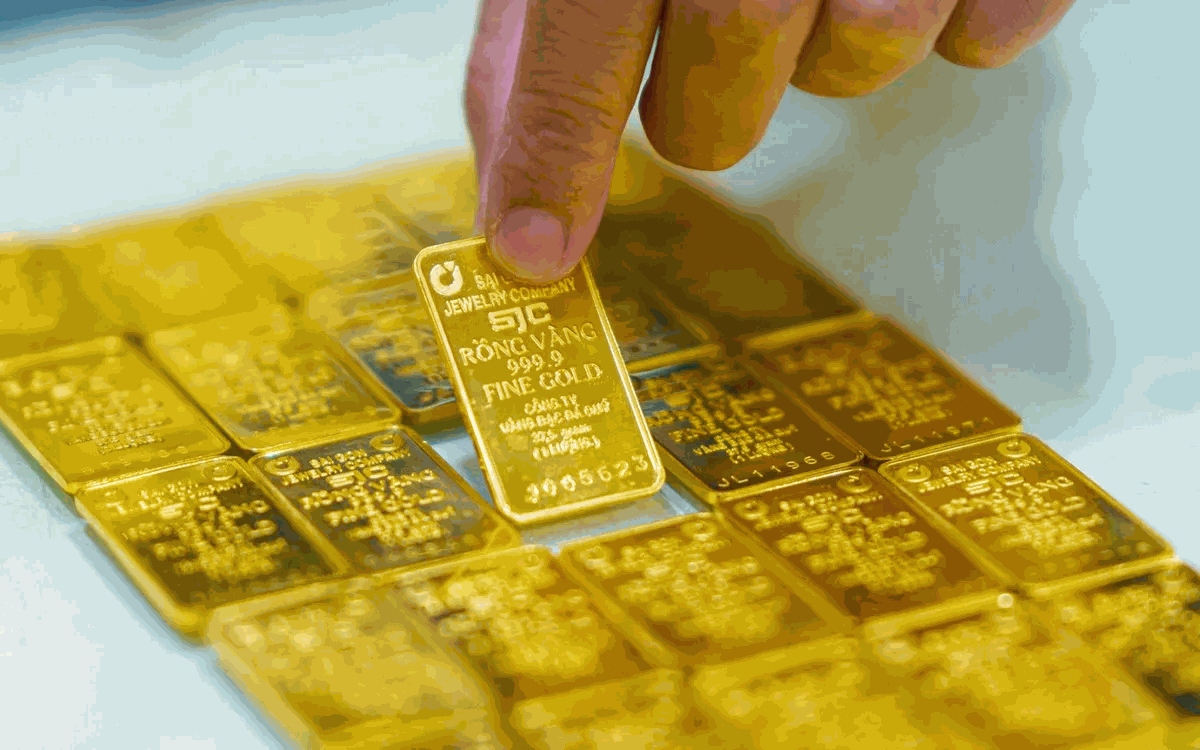
Experts attribute this global downturn to several factors, including the U.S. Federal Reserve (FED) maintaining high interest rates and lingering macroeconomic instability.
While some major financial institutions maintain an optimistic outlook, forecasting that gold could reach new heights in 2026, individual investors are urged to remain cautious. Experts warn against the "buying at the peak" (FOMO) mentality during periods of short-term market volatility.
What Concerns the Public During Market Turbulence?
A quick browse through Google or social media reveals that gold is the topic of the hour. Discussions range from "today's price" to more down-to-earth inquiries like the origins of gold and reliable testing methods. The atmosphere often turns lively with humorous memes inspired by the folk tale "The Starfruit Tree" (the classic "gold-for-starfruit" exchange), perfectly capturing the blend of curiosity and anxiety felt by the public during these price swings.
This "research-verify-prevent risk" mindset becomes particularly evident during price spikes. This behavior is seen not only in investors but also among professionals in the jewelry, recycling, geological surveying, and collecting industries.
Gold does not only exist in jewelry stores or on financial tickers. In reality, this precious metal is scattered throughout nature—in soil, rock, sand, or hidden within buried objects over time. This explains why public interest often extends beyond simple buying and selling to practical questions: Where can gold be found? How can it be identified in natural environments? What are the most reliable testing methods?
This demand has brought professional metal inspection methods into the spotlight, particularly in fields like land surveying, material research, and metal collecting. Rather than relying on intuition, many are turning to technical equipment to identify metals underground or within buried structures. These devices are widely used for: Field surveys and research; locating lost jewelry or coins; supporting the jewelry and metal recycling industries; training and on-site inspections and archaeology, construction, and environmental research.
Metal and gold detectors operate on the principle of electromagnetic induction. The device transmits a signal into the ground and analyzes the feedback when it hits metal, helping to determine the location, relative depth, and basic classification of the object. This provides users with vital data for evaluation and field testing.
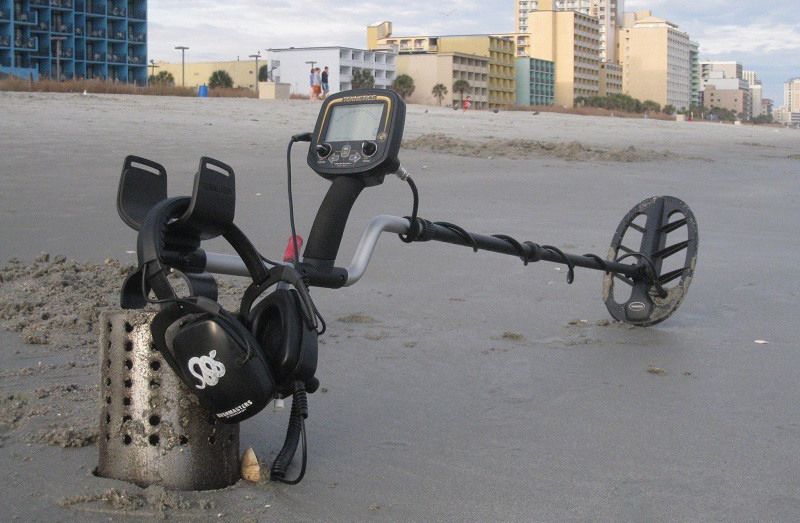
If you are interested in "panning for gold" or professional metal hunting, you can explore specialized gold and jewelry detectors at EMIN Vietnam’s official product category: Underground gold, jewelry detector