Currently, turbidity and water clarity are typically assessed using specialized measuring devices.
Using a turbidity meter provides aquaculture farmers with specific data for evaluating, monitoring, and making timely adjustments when necessary—instead of relying solely on visual observation, which can often be misleading.
So, what is water clarity?
Water clarity refers to the ability of light to penetrate through the water column in a fish or shrimp pond. When the water contains a high number of suspended particles, clarity decreases because the particles block light transmission. This level of clarity is directly influenced by suspended solids—a mixture that includes phytoplankton and fine solid particles, both of which are common in aquaculture environments.
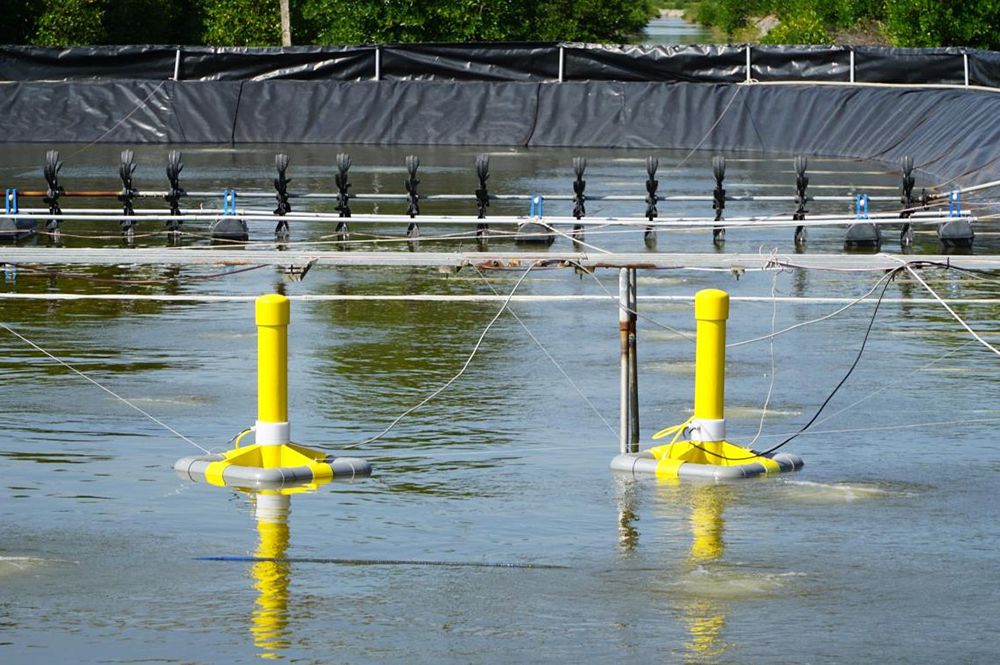
Generally, a clarity level of 20–30 cm is considered optimal for fish ponds, while 30–45 cm is ideal for shrimp ponds. Maintaining this range helps sustain a balanced aquatic environment, reduces the risk of disease, and supports stable growth and higher production efficiency.
What causes changes in water clarity in aquaculture ponds?
In aquaculture, water clarity fluctuates frequently and is influenced by various factors. One of the main causes stems from the water source itself. If the incoming water already has high turbidity, it will naturally lead to reduced clarity in the pond.
Environmental factors such as air pollution or fine dust settling on the water surface also contribute to decreasing clarity. Additionally, physical movements within the pond—such as water currents or the activity of fish and shrimp—can disturb bottom sediments, suspending particles and making the water more turbid.
Moreover, excess feed or organic waste from the aquatic animals that isn’t properly managed will accumulate, increasing the concentration of suspended solids and significantly affecting water clarity.
Why is it important to monitor water clarity in aquaculture ponds?
The presence of suspended solids is the primary reason for reduced water clarity and light penetration. These particles are often related to Total Dissolved Solids (TDS), which directly influence water quality. When light cannot reach the pond bottom, it may trigger a series of negative consequences.
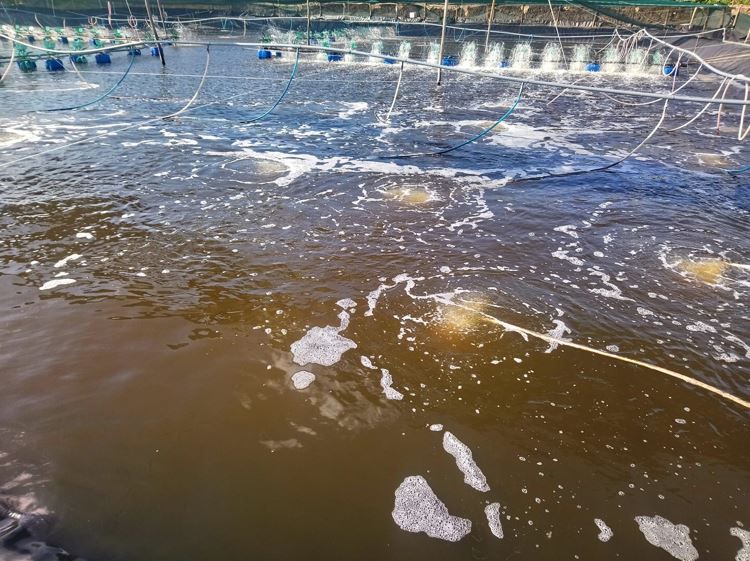
As turbidity increases (and clarity decreases), less light reaches the pond floor. This inhibits photosynthesis in aquatic plants, leading to a reduction in dissolved oxygen levels—an essential element for the respiration and metabolism of aquatic species. Furthermore, plankton—the backbone of the pond ecosystem—can also be negatively impacted, disrupting ecological balance.
Suspended particles may also physically affect aquatic animals. They can adhere to fish gills, making breathing more difficult, or settle on the pond bottom, causing the water to become denser and reducing the animals' mobility. In low-light environments, the ability of aquatic organisms to orient and behave normally is also diminished.
Conversely, if the water is too clear—indicating a lack of nutrients—plankton populations, which serve as a natural food source, may drop significantly. This leads to insufficient nourishment for aquatic animals and makes them more vulnerable in an overly “clean” environment. Additionally, clear water is often associated with lower temperatures, which may not be ideal for aquatic health.
For all these reasons, measuring and monitoring water clarity should be considered an essential part of pond management.
It helps establish a stable ecosystem where aquatic species can grow and thrive sustainably.
Conclusion:
If you are looking for an accurate, easy-to-use turbidity meter suitable for real-world aquaculture conditions, contact **EMIN**. We are ready to advise and help you choose the most appropriate solution to effectively and sustainably manage your water environment.