
Consistent coating inspection depends on more than selecting an appropriate instrument. A clear routine for coating thickness gage maintenance helps users identify potential issues early, protect sensitive probe components, and support dependable day-to-day measurements. These practices apply to hand-held mechanical and electronic instruments used by applicators, inspectors, and quality teams.
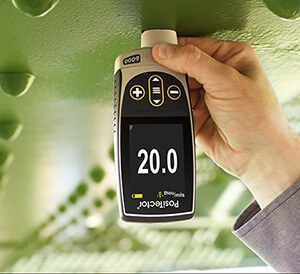
Start with the instrument manual and a maintenance record
Before using a coating thickness gage for the first time, review its instruction manual. The manual explains the instrument’s functions, operating approach, and care requirements for that specific model. Keeping the make, model, serial number, purchase date, and calibration details with the manual makes future checks easier to organize.
A simple maintenance record is also useful. Record calibration dates, operational checks, observed damage, probe replacement, and any service performed. This creates a practical history for the instrument and helps teams follow their own quality procedures.
Plan calibration checks around actual use
Calibration involves measuring known calibration standards and confirming that results remain within the applicable tolerance. The appropriate interval is not identical for every gage. It can depend on how often the instrument is used, the surfaces being measured, the application, and the care taken during handling and storage.
An instrument used frequently, handled roughly, or applied to abrasive surfaces may need checking more often than one kept in controlled storage and used occasionally. When the required interval is uncertain, a one-year interval from calibration, purchase, or receipt may be used as an initial reference point. The final interval should align with the user’s quality system and operating conditions.
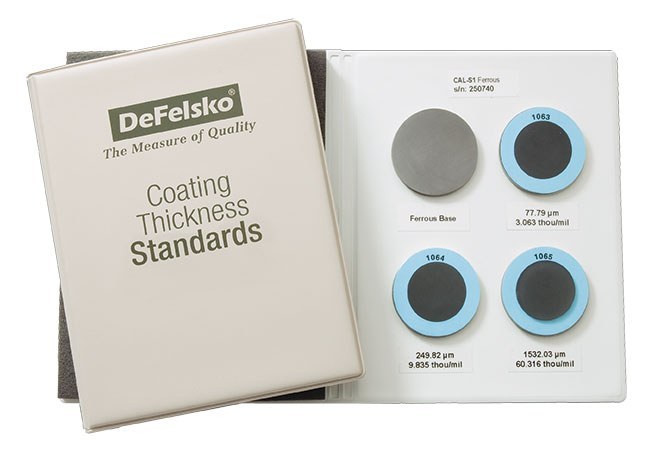
For routine verification, some users retain a sample part, measure it when the gage is new, and compare later readings to the recorded result. A more documented approach is to measure calibration standards. These may include certified coated metal plates or plastic shims. Coated metal plates are generally more accurate. When a documented procedure or qualified service is needed, follow the available procedure for the instrument or arrange evaluation by a qualified laboratory or manufacturer.
Protect the probe during measurements
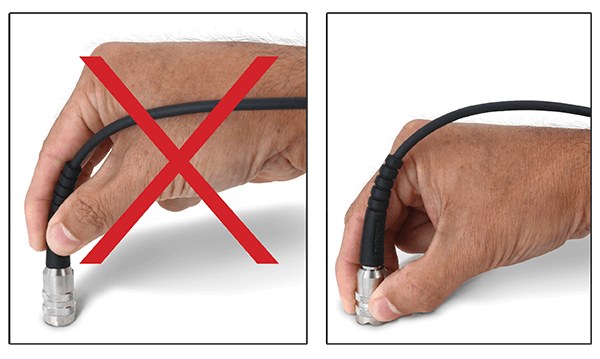
Correct operating habits are central to coating thickness probe care. Become familiar with the proper grip and measurement sequence for the particular instrument. Many hand-held gages take one reading at a time, and the probe should be lifted away from the surface between measurements. Dragging it across a coated surface can reduce probe life.
Inspect the gage before each use, especially the probe and probe cable. For constant-pressure probes, confirm that the mechanism moves freely. Examine the contact surface closely: scratches, wear, adhered paint, dust, or metal filings can affect operation. Remove loose contamination carefully with a cloth. A visibly damaged or worn probe should be checked for accuracy and replaced when necessary.
Hot and rough surfaces need added attention. Avoid prolonged contact with hot surfaces and allow the probe to cool between measurements. On rough surfaces, lower the probe carefully without sideways movement. A plastic shim of known thickness can help protect the probe. In that case, the reading represents the combined shim and coating thickness, so the shim thickness can be subtracted. Users should also consider the additional measurement tolerance introduced by the shim.
Recognize signs that service may be needed
Unexpected results deserve investigation. Lower-than-expected readings can indicate probe wear. Higher-than-expected readings may result from foreign material on the probe. Erratic measurements can suggest a possible component issue. First inspect the probe, clean the contact area where appropriate, and perform an operational check on a known thickness. If the issue remains, arrange further evaluation.
Clean and store the gage after work
Perform a final probe inspection before putting the instrument away. Removing fresh paint or other adhered material promptly can prevent problems at the next job. For short periods of non-use, batteries and attached probes may remain in place. Return the gage to its pouch or original packaging, cover the probe, and store it in a dry location away from magnetic fields and temperature extremes.
Before the next inspection, check operation on a known thickness. Keeping the manual and spare batteries available also supports efficient field use. With regular calibration checks, careful handling, cleaning, and storage, a coating thickness gage can provide reliable service across coating inspection tasks.




