Answer: What is IC?
IC is an integrated circuit or chip, an important electronic component, made up of many semiconductor components such as transistors and passive components. They combine to perform specific tasks, playing an indispensable role in the operation of modern electronic devices.
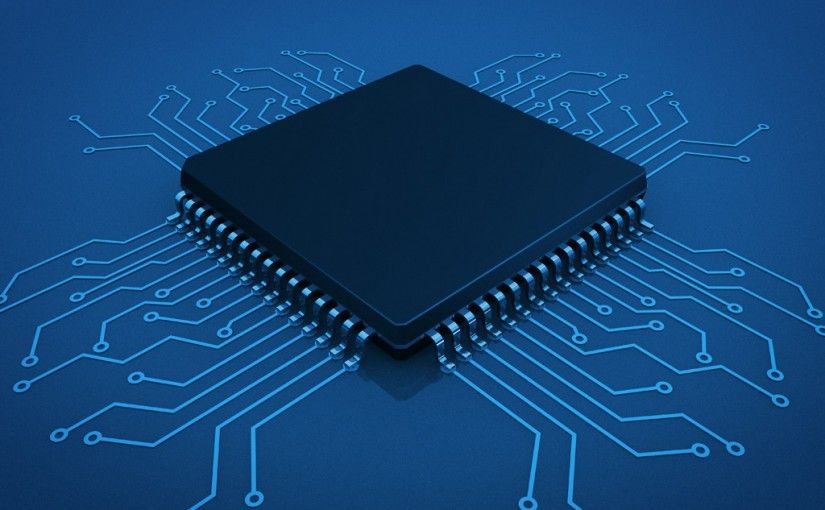
ICs are classified into two main groups:
- Programmable IC, allowing users to customize functions according to needs.
- IC has predefined functions, operates according to a fixed design and cannot be reprogrammed.
Main effects of IC
You may not know, IC acts as the brain of many electronic devices, performing important tasks such as amplifying signals, creating oscillators, counting, storing data or processing information in the memory. microprocessor. Thanks to its compactness and high integration, ICs help reduce the size of devices while improving performance.
Today, ICs appear widely in both industry and technology, playing a core role in automatic control systems, logic circuits and many other modern electronic applications.
Simple way to measure and check whether the IC is working or not
To know if the source IC or power IC is still working or broken, you can apply some of the following simple and common testing methods:
Observe the outside
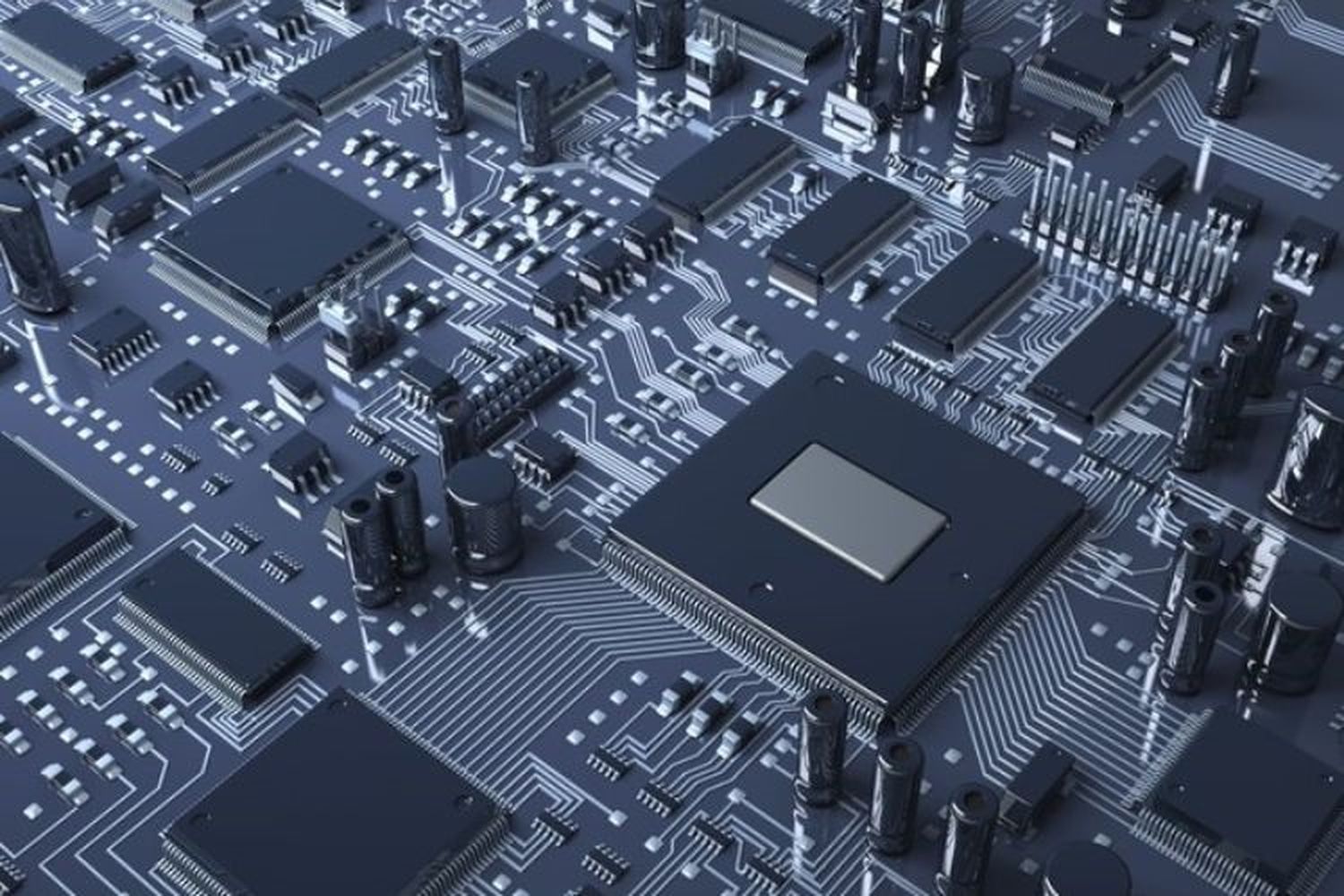
Please carefully examine the appearance of the IC. If you see that the IC has cracks, scratches, or signs of scorching, it is highly likely that the IC is damaged and no longer operates stably.
Check temperature status
You can check whether the IC is damaged due to overheating through the following steps:
Step 1: Apply voltage to the IC, ensuring the voltage level matches its operating parameters.
Step 2: Check if the IC has received power, possibly by careful contact.
Step 3: Observe and try lightly touching the IC surface to feel the temperature.
Step 4: If the IC heats up unusually quickly, it is most likely damaged.
How to test IC using short circuit measurement method
When an IC is short-circuited, it often causes a burn, which is an easy to recognize sign. You can check the operating status of the IC through short circuit measurement with a multimeter.
Instructions for implementation:
- Step 1: Set the multimeter to continuity measurement mode.
- Step 2: Attach the black lead to the COM pin and the red lead to the VΩmA pin of the meter. The other end of the test lead connects to the IC pins in turn. of skin
- Step 3: Observe the measurement results. If the meter beeps about 50% of the measurements, the IC is likely short-circuited and needs to be replaced.
Check the input and output voltage of the IC
Another way to test a power or power IC is to measure the input and output voltages, also using a multimeter.
Instructions for implementation:
- Step 1: Adjust the multimeter to the voltage scale, select the level appropriate to the IC parameters.
- Step 2: Connect the measurement leads: red wire to the positive pole and black wire to the negative pole of the IC.
- Step 3: Read the results displayed on the watch screen. If the measured voltage is within the IC's normal range, the IC is still functional. If the meter does not display results, the IC is most likely damaged.
These tests help you easily determine IC status, support timely maintenance or replacement to ensure stable device operation..
Device to support IC testing
Of the four IC testing methods mentioned, two require the use of a multimeter. But do you know which type of meter to choose to test ICs accurately and effectively?
Below are some outstanding multimeter models that are trusted by many people. Thanks to their accurate measurement capabilities, they will help you easily check and detect errors on the IC, ensuring the device operates stably.
HIOKI DT4256 multimeter
Hioki DT4254 multimeter
Fluke 17B+ multimeter
Sanwa CD800A multimeter
See more at: EMIN multimeter