According to current technical analyses, the phenomenon of engine hesitation in motorcycles may occur after switching to E10 gasoline, but the cause is usually not due to the new fuel damaging the engine.
Ethanol in E10 gasoline can loosen long-standing deposits
E10 gasoline contains approximately 10% fuel ethanol. This component is better at dissolving and cleaning deposits than regular mineral gasoline.
After prolonged use, fuel tanks, fuel lines, carburetors, or fuel injectors often accumulate a certain amount of deposits. This deposit can remain dormant for years without causing noticeable problems.
When switching to E10 gasoline, the ethanol begins to loosen these old deposits. The dirt then travels with the fuel flow and can clog the filter or fuel injectors. Fuel delivery to the combustion chamber is affected, resulting in a feeling of sluggishness, poor acceleration, or slower-than-normal throttle response.
Which car models are more prone to experiencing engine hesitation/loss of power?
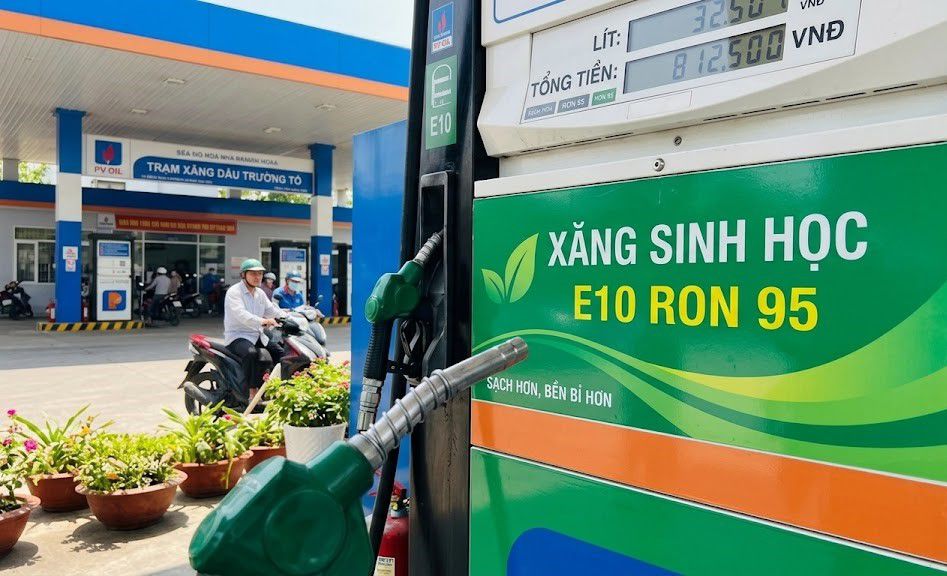
The phenomenon of engine hesitation is more commonly observed in older vehicles using carburetors, especially those that have been in operation for many years. These vehicles are more prone to dirt and debris buildup in the fuel tank and fuel lines compared to newer models.
For vehicles with electronic fuel injection (FI), the likelihood of this occurring is generally lower because the fuel system is designed to be compatible with ethanol-blended fuel. Most motorcycles and cars today are in the group that can use E10 gasoline normally, as recommended by the manufacturer.
Does E10 gasoline cause engine damage?
To date, there is no technical evidence to suggest that E10 gasoline, when meeting standards, causes engine damage in compatible vehicles.
In fact, many countries have been using E10 for a long time. Automotive manufacturers have also designed fuel systems compatible with this ethanol-containing fuel at appropriate ratios.
Concerns regarding E10 gasoline causing engine fires, metal damage, or other engine damage usually do not stem from the fuel's properties but rather from maintenance issues or pre-existing technical problems.
Does using E10 gasoline result in higher fuel consumption?
This is also a topic that has been discussed quite a bit.
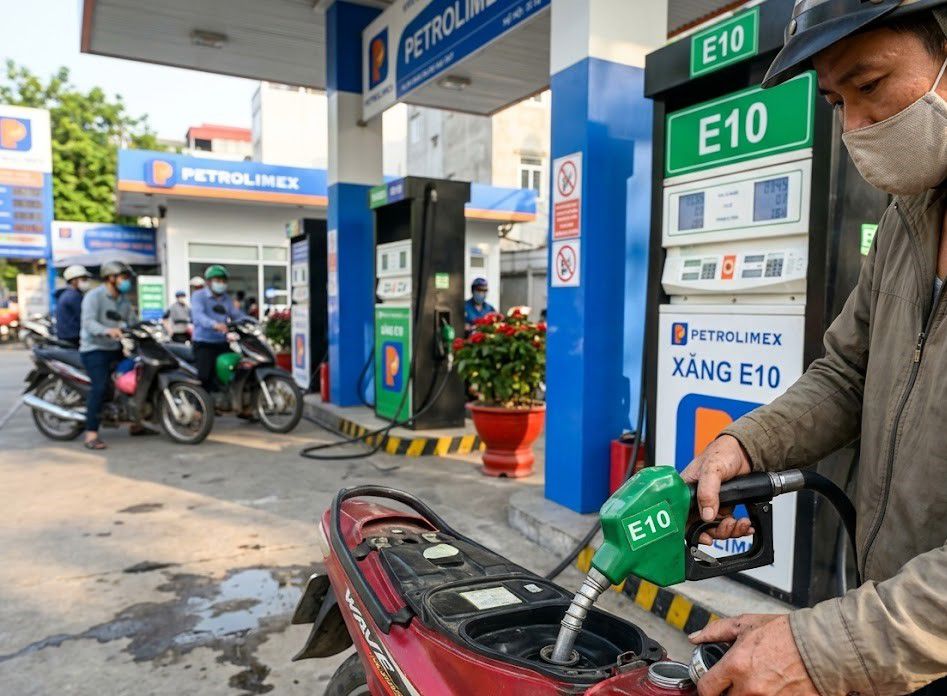
Theoretically, the energy content of E10 gasoline is slightly lower than traditional mineral gasoline. However, ethanol helps the combustion process to be more efficient thanks to the additional oxygen available in the fuel.
The difference in fuel consumption under real-world conditions is usually not significant and depends on the engine condition, driving habits, and operating conditions.
What should I do if my car experiences a loss of power after refueling with E10 gasoline?
Instead of rushing to switch to a different fuel type, the first step should be to check the fuel system.
Cleaning the fuel injectors, checking the fuel filter, cleaning the fuel tank, or assessing the carburetor condition often helps to completely resolve the engine hesitation that occurs during the initial transition period.
After the fuel system is cleaned, most vehicles can operate smoothly with E10 gasoline without experiencing the same problem again.
Conclude
The phenomenon of engine hesitation after switching to E10 gasoline is a possible issue on some vehicles, especially older vehicles with accumulated deposits in the fuel system.
Current technical analyses indicate that the main cause stems from the cleaning process of ethanol on long-accumulated deposits, not from E10 gasoline damaging the engine. Proactive cleaning and maintenance of the fuel system remains the most effective solution for a smoother and more stable transition.