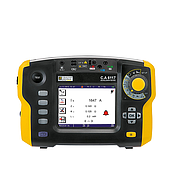
Precision torque tester improves assembly quality by applying the specified torque consistently to each fastener. It helps reduce risks associated with incorrect fastening, including vibration-related loosening, damage, rework, and inconsistent product performance.
A practical torque-control process starts with defining the joint requirement, then combines appropriate tools, regular verification, trained operators, and preventive maintenance. These elements help keep the assembly process aligned with its intended settings.
Summary: Define torque based on the actual joint and fastener. Select tools that can be set and verified for the required torque. Use periodic calibration, maintenance, and operator training to support consistent assembly quality.
Why is precision torque control important in assembly?
Precision torque control is important because a fastener that is not tightened correctly can loosen under vibration or may be damaged. Consistent torque application supports reliable joints and can help avoid repairs or disposal of parts affected by improper tightening.
Torque control also belongs in the wider quality-control process. When the assembly torque matches the established requirement, the finished product is better positioned to meet its expected performance.
How should torque requirements be determined for a joint?
Torque requirements should account for the maximum load, material strength, and whether the joint is hard or soft. The actual materials and specified fasteners need to be considered rather than treating every fastening application the same way.
A destructive test using a calibrated torque-control tool on the actual materials and fasteners can help identify an appropriate torque value. This approach ties the requirement to the joint being assembled.
How do you select the right torque tool for production?
The right torque tool should suit the required torque, fastener specification, material type, and production output. Tool selection should therefore begin with the application requirements, not with the tool alone.
Where applicable, a tool with calibrated torque settings and a visual, audible, or tactile indication when the setting is reached can help operators recognize completion of the tightening cycle. The selected tool should support the specified torque setting for the work.
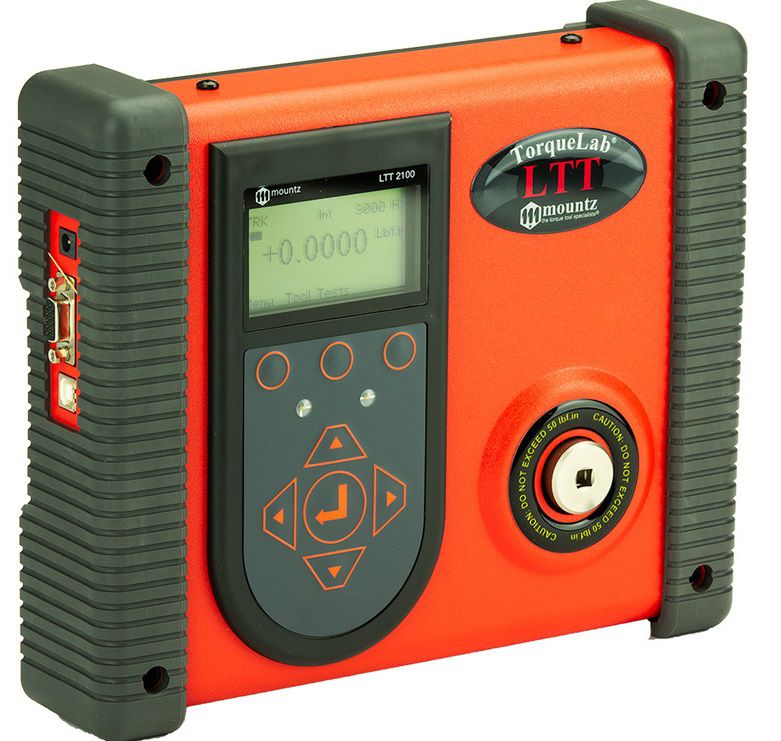
What is the role of torque testers and analyzers?
Torque testers and analyzers are used to check whether torque tools remain at their intended settings. They enable relatively quick tool checks on the production line or in a laboratory setting.
These checks support calibration activities and can reveal deviations before they become a broader assembly issue. Verification is especially relevant when tool settings may have changed through slippage or user adjustment.
Why should a torque-tool calibration program be periodic?
A periodic calibration program helps confirm that torque tools continue to operate at their designated settings over time. Regular checks are intended to prevent unnoticed variation in applied torque.
The program should be part of a defined process rather than an occasional response after a problem is found. Maintaining the specified setting is central to repeatable fastening work.
How does preventive maintenance support torque consistency?
Preventive maintenance supports torque consistency by identifying wear or defective parts before they disrupt production. Regular inspection can help preserve tool performance and reduce unplanned downtime.
A structured maintenance program also gives teams a repeatable way to review tool condition. This can save time associated with unexpected interruptions and corrective work.
What should torque-control training cover?
Torque-control training should cover basic torque theory, relevant tool types, correct operation, preventive maintenance, safety procedures, and job-related ergonomics. Operators need this context to use torque tools consistently within the established process.
Training is not limited to assemblers. Production planners, supervisors, engineers, and quality-control technicians should coordinate around torque specifications, particularly when fastener types or their use changes.
How can torque control contribute to worker safety and quality control?
Correct tool use and safety programs can help reduce the likelihood of workplace accidents. Safety, tool operation, and ergonomic practices are connected because torque tools are used directly in hands-on assembly work.
For quality control, consistent torque reduces the chance that incorrectly tightened parts will need repair or disposal. It can also limit errors and customer dissatisfaction associated with joints that do not perform as expected.
How should manufacturers evaluate the process value of torque tools?
Manufacturers can evaluate torque meter by considering how they address their specific torque-control challenges. Relevant factors include assembly speed, reduced wasted motion, error reduction, quality-control inspection needs, and the overall time and cost associated with the process.
The useful comparison is not only the tool itself, but its effect on consistent fastening and workflow. A tool process that supports the required torque while limiting rework can contribute to a more controlled assembly operation.