At this point, it is necessary to learn how to extend the scale of the measuring device. The information below will help you better understand this method.
The significance of scaling
Measuring devices such as multimeters or clamp meters have their own measuring ranges to suit each type of voltage and current. However, in many cases, when you need to measure at a level higher than the device's capabilities, you will have to consider using another specialized meter or applying the method of expanding the measuring range.

Expanding the measuring range is important, allowing the electric meter to measure voltage and current levels beyond the default limits. Thanks to that, you can easily check the operating status of the current or device, thereby promptly detecting problems and failures.
Method of extending the measuring scale using current transformer
Learn about current transformers
A current transformer is a device that converts alternating current, allowing it to increase or decrease the voltage level of the source. Thanks to that, it can convert high-intensity currents to lower levels, ensuring safety for measuring devices when performing measurements. Therefore, current transformers are often used to expand the measuring range of electric meters, helping the meter measure current at higher levels while still giving accurate results.

Steps to implement scale expansion
Step 1: Identify the primary and secondary coils of the current transformer.
Step 2: Connect the current carrying wire to the primary coil via the TI current transformer.
Step 3: Connect the wire from the secondary coil to the measuring port of the multimeter or electric meter.
Step 4: Select the measurement mode at the voltage level that has been lowered by the current transformer, then the meter will measure and display the result.
Notes when expanding the voltage scale
The method of extending the voltage scale using a current transformer for an electric meter is considered quite simple and gives accurate results. However, during the implementation process, you need to pay special attention to safety factors. Not only the connection points, but also the casing of the transformer and the measuring device must be carefully insulated to limit risks.
The measuring device will be connected to the secondary coil of the current transformer. The measurement result will depend on the displayed value of the device multiplied by the current transformer's rating factor. In addition, you should not abuse this method, because frequent overcurrent measurements can affect the durability of the meter. It should only be applied in really necessary situations.
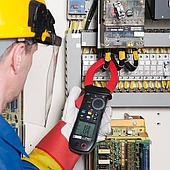
In many cases, the optimal solution is to choose devices that already have a wide measuring range, such as a dedicated multimeter or clamp meter. With a clamp meter, you can flexibly choose the appropriate measuring range for each application, while helping the device maintain a better life.
Thus, expanding the measuring range will help you handle measurements beyond the limits of the device, supporting the inspection of machinery and electrical systems more effectively and safely.