The advent of ultrasonic cleaning tanks has opened up a new direction in cleaning technology, meeting increasingly stringent requirements for quality, hygiene and safety in production. Ultrasonic cleaning tanks help remove stubborn deposits easily, contributing to prolonging the life of equipment, minimizing repair and replacement costs, especially in today's constantly developing industrial environment.
What is scale and why is it so difficult to deal with?
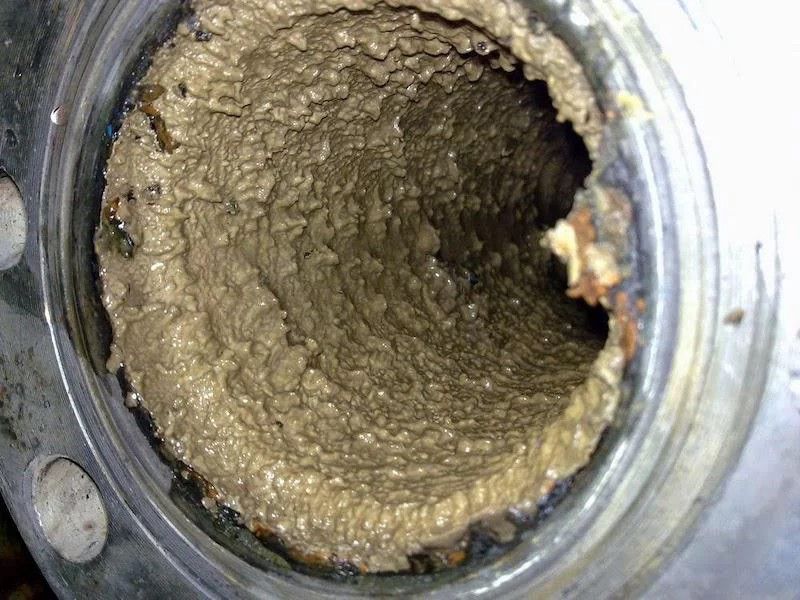
Have you ever heard of scale? Scale is formed from the precipitation of calcium and magnesium ions combined with hydrocarbons in water. Over time, they accumulate and form hard, adherent deposits on the surface of equipment. This process only occurs when four factors converge: water reaches a supersaturated state (exceeding the solubility threshold of the compounds), nucleation (scale molecules initially appear as small particles), contact time is long enough for the crystals to grow, and finally the solubility threshold is exceeded, causing the scale layers to begin to adhere densely.
In addition, many other factors also contribute to the formation of scale such as water pH, corrosion, high ambient temperature, flow obstruction, hydrodynamic factors and microbial activity. In particular, the presence of dissolved gases such as oxygen and CO₂ in water not only oxidizes metals, reducing their durability, but also accelerates the corrosion process, making equipment susceptible to damage if not handled promptly.
Consequences of not treating scale
If the scale is not treated promptly, the consequences will be very serious, causing great economic damage and directly affecting the performance of the system.
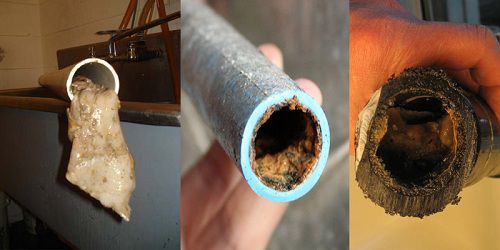
When the scale accumulates too much, it will hinder the heat exchange process, easily leading to blockage in the pipeline and causing the equipment to quickly deteriorate or malfunction. The heat dissipation capacity of the equipment is reduced, even completely lost, causing a significant reduction in cooling capacity.
In addition, leaving scale to accumulate for a long time also leads to increased operating, maintenance and repair costs, causing energy loss. Users also face high costs for spare parts replacement and reduced equipment life. In some serious cases, scale can cause sudden failures, forcing the system to stop working unexpectedly.
In particular, if this situation persists without being handled properly, operational risks such as equipment explosions can completely occur, endangering people and property.
See more articles about ultrasonic cleaning tanks: Save money with ultrasonic cleaning tanks
Why is ultrasonic cleaning an effective solution for removing scale?
When faced with stubborn deposits, manual cleaning is not only time-consuming but also laborious. That is why ultrasonic cleaning tanks become the optimal choice. Simply place the sample in the tank, set the appropriate temperature and time, and the device will automatically perform the descaling and cleaning process quickly and effectively without much intervention.