High temperatures in hydraulic oil can have severe consequences on the system, causing tools and equipment to suddenly degrade. Why does hot hydraulic oil occur? Join EMIN to discover the cause behind this problem and learn how to solve it in the article below. If you are facing a problem related to controlling the temperature of hydraulic oil, let EMIN show you!!!
Understanding of hydraulic oil
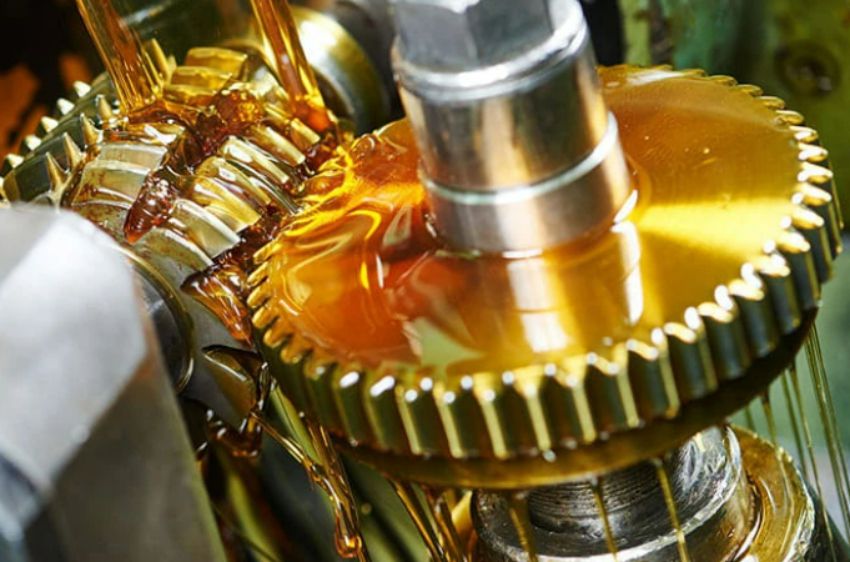
Hydraulic oil 10, also known as hydraulic oil, not only plays an important role in lubrication but also contributes to the transmission process of hydraulic systems. Derived from a blend of mineral or synthetic oils, hydraulic oil 10 is widely used in many types of equipment such as hydraulic tools (hydraulic pumps, hydraulic punching machines, hydraulic cable cutting pliers). forces,... ), garbage trucks, transmission systems, plastic injection machines, CNC machines, excavators, metal bending machines, corrugated iron rolling machines and many other equipment.
The important function of hydraulic oil is not limited to transmission, but also includes many different aspects. It plays a role in lubricating, cooling, sealing, cleaning and rust prevention in hydraulic systems.
What causes hydraulic oil to heat up?
Cooling system problem:
One of the common causes is that the hydraulic oil becomes hot due to a malfunction or damage to the cooling system. Each hydraulic device is designed with a heat dissipation system to ensure stable temperature. If the cooling system is not working properly, the oil can heat up as the temperature of the oil line rises. Checking cooling techniques is important when you detect hydraulic oil starting to heat up.
The exhaust valve has a problem or is damaged:
Another problem could be a clogged oil drain valve, causing hot hydraulic oil. The drain valve ensures the circulation of cool oil into the system to replace the hot oil, and if it has a problem such as a leak, the new oil will not be able to properly replace the hot oil. Before using hydraulic machinery, carefully check the oil relief valves to ensure they are operating properly.
The hydraulic pump has a problem or is broken:
Hydraulic pump, as an important part of the system, plays the role of providing hydraulic oil for the entire system. Malfunction or damage in the hydraulic pump can cause the hydraulic oil to become hot. In the event of a pump failure that is not detected or replaced promptly, oil can operate continuously in the system without the opportunity to be drawn back to cool in the tank.
Problems from hydraulic oil:
When hydraulic oil is contaminated or poor quality oil is used, its lubricating ability will decrease, leading to heating of mechanical equipment with metal surfaces and reverse heat transfer. This is one of the common causes of hydraulic oil becoming hot. Contaminated oil can increase its temperature above normal levels and is also harmful by promoting rust and wear in machinery. This problem poses a risk to machinery accessories and components. Furthermore, using hydraulic oil that does not match the requirements of the hydraulic system can also cause the equipment to operate ineffectively, causing damage, breakdown, and heating of the hydraulic oil.
When hydraulic oil is contaminated or poor quality oil is used, its lubricating ability will decrease, leading to heating of mechanical equipment with metal surfaces and reverse heat transfer. This is one of the common causes of hydraulic oil becoming hot.
Contaminated oil can increase its temperature above normal levels and is also harmful by promoting rust and wear in machinery. This problem poses a risk to machinery accessories and components. Furthermore, using hydraulic oil that does not match the requirements of the hydraulic system can also cause the equipment to operate ineffectively, causing damage, breakdown, and heating of the hydraulic oil.
Pressure is overloaded or lost too much:
Pressure loss at points in the system can prevent old oil from being pushed out, and the hydraulic pump has difficulty delivering new oil. If the equipment is operated for a long time in this condition, the hydraulic oil will become hot. Overpressure can also reduce oil flow in the machine and lead to overheating of the hydraulic oil.
See more:
What is a hydraulic press? Structure of hydraulic press
Classification of hydraulic pipe bending machines? Practical application
So how to fix hot hydraulic oil?
To solve the problem of hydraulic oil becoming hot, you first need to conduct a comprehensive inspection on the machinery, including internal and external accessories, to determine if there is a problem or malfunction. is going on. If any problems are detected, fix them immediately to ensure that the machine operates efficiently without being affected.
Second, choosing the right type of hydraulic oil for the machine is important to ensure the lubrication process runs smoothly and at the same time prevent rust and corrosion. This will help machines operate smoothly and stably, while minimizing the heat of hydraulic oil. Make sure the oil selected fully meets the machine's technical requirements, thereby optimizing performance and ensuring the longevity of the hydraulic system.
Be careful when using hydraulic oil
-- Choose high quality oil, suitable for system requirements:
Choosing the best oil with high viscosity, oxidation resistance and excellent heat dissipation ability is important to ensure it does not affect the performance of the equipment during operation. Careful selection of oil helps protect the hydraulic system from unwanted problems.
- Regularly check hydraulic oil condition:
During hydraulic system operation, it is important to regularly check oil-related equipment to detect and eliminate the risk of overheating oil or other problems. This helps maintain system stability and performance.
- Regular maintenance and upkeep:
Regular maintenance and servicing is key to ensuring safety and minimizing risk for any vehicle or machinery that uses hydraulic oil. This ensures that the system stays in top condition and helps prolong the life of components.
Hopefully the information EMIN shared above will help you better understand how to use hydraulic oil effectively and maintain your system. Please follow our website and fanpage to update the latest articles