What is 3-phase starting?
3-phase starter (3-phase contactor) is a familiar device in industrial electrical systems. Its main function is to control the current in a 3-phase power system using the magnetic field principle. When power is applied to the coil, the created magnetic field attracts the contacts, effectively closing or shutting off the current.
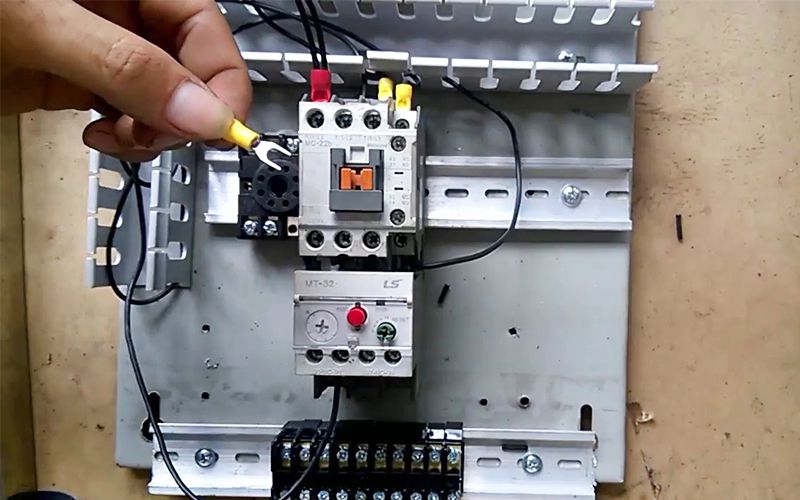
Notable characteristics of 3-phase starters
3-phase starting brings many practical benefits, meeting requirements in industrial environments:
- Stable performance: Built to withstand high loads, the device operates durably for a long time, suitable for many harsh conditions.
- Ensure safety: Thanks to protection systems such as thermal relay or overload protection, this device minimizes the risk of incidents, protecting both the motor and the electrical system.
- High quality materials: The product is made from heat-resistant and abrasion-resistant materials, helping to prolong life even during continuous operation.
- Convenient installation: Neat design and modular structure make installation and maintenance easier.
Technical specifications of 3-phase starter
Choosing a 3-phase starter is not simply about buying any electrical device, but requires a detailed understanding of the technical specifications. This is the decisive factor in the ability to meet user needs and ensure efficiency when operating in practice.
- Rated voltage (Ue): This is the maximum voltage level at which the device can operate stably. Depending on the specific application, products usually support voltages from 220V to 600V, suitable for a variety of industrial electrical systems.
- Rated current (Ie): The load capacity of the magnetic starter is expressed through this parameter. With ranges from 9A to 800A, you can easily find the right device for your capacity and operating requirements.
- Starting current tolerance (Ith): This is the maximum current that the magnetic starter can withstand when starting to activate the motor. This parameter is usually higher than the rated current, ensuring the system operates safely when the load suddenly increases.
- Number of contacts: The main contacts (usually 3) are responsible for transmitting the main current, while the auxiliary contacts (NO and NC) assist in auxiliary functions such as signaling or remote control .
- Control capacity: Indicates the device's motor control ability, usually calculated in kW.
Related articles: Explain the cause of starting from no suction, what is the solution?
Some popular 3-phase starters today
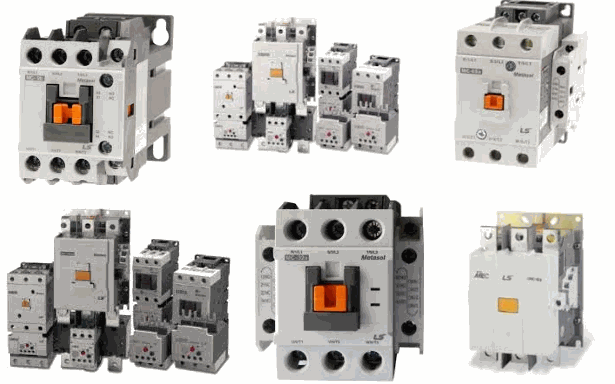
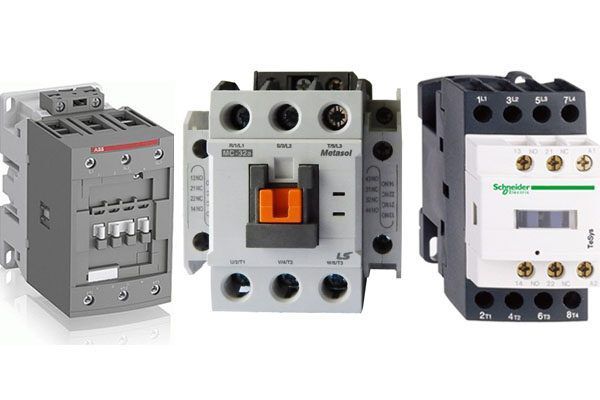
Currently, on the market there are many types of 3-phase starters designed to meet a variety of industrial and civil needs. Refer to the 3 products below to help you choose the right one for your electrical system:
1. Contactor 3P LS MC-32a (32A, 2NO + 2NC)
This product belongs to LS contactor line with load capacity of 32A, contact configuration includes 2NO and 2NC. This is the optimal choice for systems that require flexibility in controlling power and control circuits, ensuring high durability and stable operation.
2. Contactor Schneider LC1D32M7, 32A, AC3 - 15KW/400V, 1NO + 1NC
Schneider is always highly appreciated for its quality and performance. Model LC1D32M7 can withstand 32A current, rated capacity reaches 15KW at 400V voltage, suitable for systems with small and medium motor loads. The 1NO + 1NC configuration helps ensure flexibility in circuit design.
3. Contactor Siemens 3RT10 34-1AP04, 32A, AC3 - 15KW/400V
Siemens 3RT10 34-1AP04 stands out with its ability to operate stably in industrial environments. With a rated current of 32A and a capacity of 15KW at a voltage of 400V, this product is suitable for systems requiring high reliability. Siemens is also known for its advanced technology that helps increase operating efficiency and equipment longevity.