Choosing between permanent and post-finish UV protection is not simply a choice between two textile treatments. It is a quality-control decision that can affect how a fabric performs after washing, stretching, and exposure to wet conditions. For textile developers, brands, and inspection teams, the key question is whether the selected process aligns with the expected use and lifecycle of the finished product.
Permanent UV protection and post-finish UV protection use different ways to introduce protective components into a textile. Their initial results may appear comparable, but their long-term behavior can differ. A structured inspection plan helps teams evaluate those differences before materials move into production.
How Permanent and Post-Finish UV Protection Differ
Permanent UV protection
Permanent UV protection, also described as fiber-integrated or spinning-level protection, introduces UV-protective components during fiber production. The supplied material describes these components as being incorporated into the fiber structure, rather than applied only to the finished fabric surface.
This approach is commonly associated with polyester and nylon functional fibers. Because the protective function is integrated into the fiber, it may be a relevant option when a product is expected to undergo frequent washing, repeated wear, or regular stretching. It can also require greater upfront investment in functional fibers or production capabilities.
Post-finish UV protection
Post-finish UV protection is applied after the fabric is woven. Protective agents may be added through processes such as padding, spraying, or coating, creating a functional layer on the fabric surface or within fabric gaps. This can offer production flexibility because treatment levels may be adjusted for different orders without changing the spinning process.
However, a surface-applied layer should be evaluated carefully for its ability to remain effective during use. Washing, detergent exposure, friction, moisture, and repeated deformation can affect surface treatments. For this reason, initial UV-protection performance alone does not provide a complete basis for material selection.
Four Priorities for UV Protection Testing
1. Wash resistance
Wash resistance is central to assessing textile durability. For fiber-integrated protection, the protective function is associated with the fiber itself. For post-finish protection, inspection teams should monitor whether washing reduces the effectiveness of the applied layer.
Testing after multiple wash cycles can reveal performance trends rather than relying on a single pre-wash result. This is especially important for garments that are likely to be washed often, including children’s apparel and outdoor clothing.
2. Performance during stretching
Stretching can enlarge fabric gaps and change the condition of a surface treatment. Fabrics used in activewear or garments with frequent movement should therefore be assessed under appropriate tensile conditions. Comparing UV protection before stretching, during deformation, and after relaxation can help identify potential stability concerns.
3. Wet-state performance
Sweat and rain can be relevant operating conditions for summer and outdoor textiles. The supplied material notes that natural fibers such as cotton and linen absorb water and swell, while polyester and nylon generally absorb less water. These material differences can influence how a UV-protective treatment behaves when wet.
A wet-state evaluation should reflect the intended fabric and application. It can help teams determine whether results measured in dry laboratory conditions remain representative of expected use.
4. Lifecycle cost and quality risk
Upfront process cost is only one part of the decision. Post-finish treatment may be suitable where flexible, lower-initial-investment production is a priority. Permanent protection may be more appropriate where long-term stability is a key product requirement. In either case, rework, quality control effort, returns, and product expectations should be considered alongside initial material or processing costs.
Using Scenario-Based Inspection to Support Decisions
A useful textile inspection workflow evaluates UV protection across conditions that reflect the product lifecycle. Teams can establish a baseline measurement, then compare results after washing, stretching, and moisture exposure. Recording these results as a series makes it easier to identify degradation patterns and compare candidate processes on the same basis.
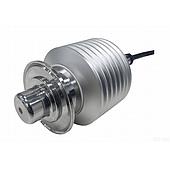
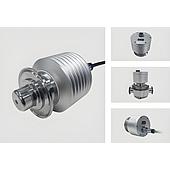
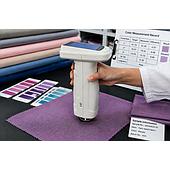
The supplied material identifies the CHNSpec UPF Analyzer, including the UPF-660 series, as a tool intended to support scenario-based UV protection assessment. Its described application includes comparing fabric behavior across washing, tensile, and humidity-related conditions. Any testing setup should be selected and configured according to the fabric type, product application, and applicable market requirements.
Match the Process to the Product Requirement
Neither process is automatically the right choice for every textile. A post-finish approach can provide flexibility for selected production needs, while fiber-integrated protection can be considered for products where durability over repeated use is a primary objective. The appropriate choice depends on the garment’s intended use, fiber composition, expected care conditions, and quality targets.
For quality control and inspection teams, the most reliable approach is to validate performance beyond the initial test. By assessing wash resistance, stretch stability, wet-state behavior, and lifecycle considerations together, organizations can make more informed decisions about permanent vs. post-finish UV protection.