For full functionality of this site it is necessary to enable JavaScript.
EMIN.VN
0

Classification of electrical insulation tape

2024년 09월 13일 13시 51분 39초

Insulating tape is a commonly used material to protect and insulate electrical wire connections, helping to ensure safety during use. Specifically, insulating tape is often made from materials such as PVC that have good heat resistance and prevent electric leakage.

Depending on the needs and purposes of use, there are many different types of electrical insulation tape on the market, each of which has its own advantages. Users can choose based on the durability, heat resistance or force resistance of each type of tape. 

What is electrical insulation tape?

Insulating tape is a specialized adhesive with the function of isolating conductive surfaces, helping to prevent unwanted contact between electrical components with each other or with non-conductive areas. This product is often used in electronics, electricity, and other industries to protect wires, cables, and electrical components from the risk of short circuits or electrical leakage.
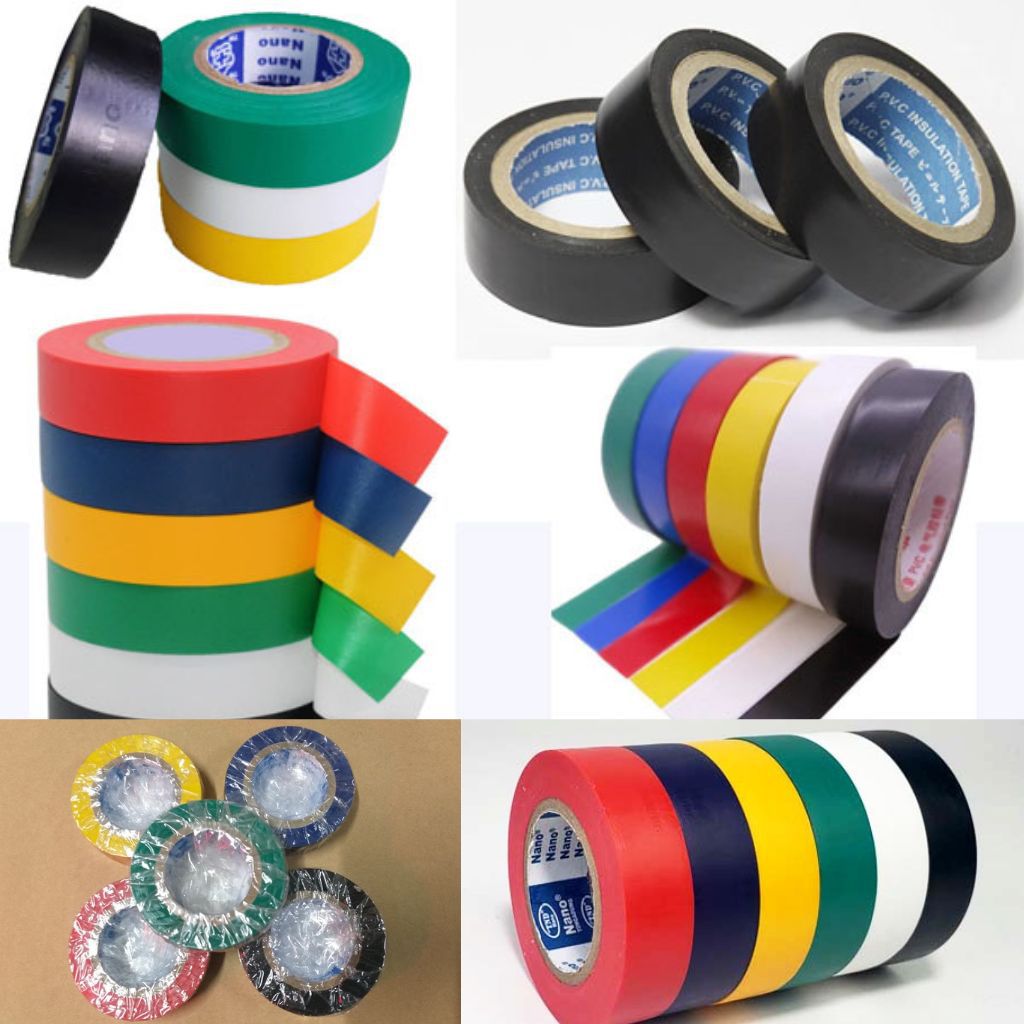
Main structure of electrical insulation tape

The structure of insulating tape consists of three main parts: shell layer, glue layer and insulating material layer.

- The outer shell is usually made from PVC or vinyl, which are flexible materials with good bearing capacity. The function of this shell is to protect internal components from environmental impacts such as moisture, dust and mechanical shock.

- The adhesive layer is located underneath the outer shell, helping the tape adhere tightly to the surface. Usually made from acrylic glue or synthetic rubber glue, this glue layer has high adhesion, ensuring the tape does not come off when used for a long time.

- Finally, the insulating material layer is the most important component. This material, which can be PVC, vinyl, or synthetic rubber, serves to prevent electrical leakage, creating a safe and effective insulating layer between conductive and non-conductive parts.

What are the applications of electrical insulation tape?
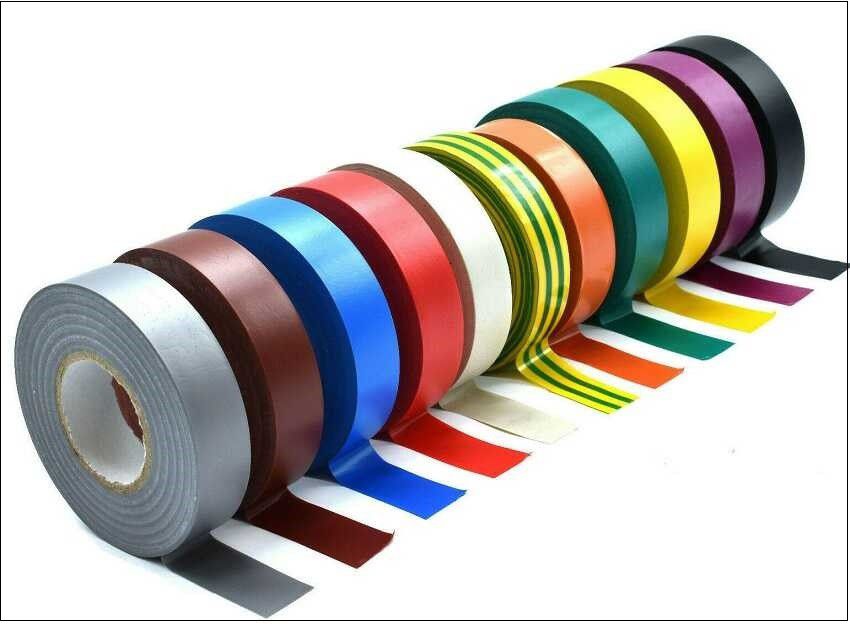
One of the main functions of electrical tape is to isolate devices such as wires, cables, sockets and switches, helping to prevent electricity from leaking out. This reduces the risk of electric shock and electrical-related incidents, ensuring safety during use.

Insulating tape is also resistant to water, oil and chemicals, helping to protect electrical equipment from harmful environmental factors. Thanks to this feature, the device is better protected, prolongs its life and maintains performance, especially in harsh environments.

In addition, insulating tape is used to fix electrical wire connections, making the connections strong and uniform. This helps avoid loose or separated connections, reduces the risk of short circuits and increases the stability of the electrical system.

Refer to the product here!
관련 뉴스

What Is Fiber Polarity and How Do You Choose an MPO Method?
2026년 11월 14일 11시 35분 16초

Fiber polarity ensures the transmit path connects to the corresponding receive path. For MPO-based duplex channels, the selected method must remain consistent across trunks, cassettes, adapters, and patch cords.

The scent of new wood in a newly handed-over apartment: How to measure and address formaldehyde (HCHO) levels before moving in
2026년 11월 14일 10시 28분 19초

Many people refer to the pungent, acrid odor that emerges when opening a new cabinet as the "smell of new wood," assuming it will simply dissipate after a few days. In reality, however, what is being released could well be formaldehyde—a substance originating from the adhesives used in the pressed-wood panels—and our sense of smell is not a reliable enough gauge to determine the concentration levels present

Guide to Selecting a TCLP Toxicity Characteristic Leaching Procedure Shaker Configuration in Compliance with QCVN 07:2025/BNNMT and TCVN 9239:2012
2026년 11월 13일 17시 23분 39초

Regulation QCVN 07:2025/BNNMT (replacing QCVN 07:2009/BTNMT and QCVN 50:2013/BTNMT) specifies hazardous waste and sludge thresholds based on leachate concentrations. To ensure that analytical results for heavy metals and organic compounds are accepted during ISO/IEC 17025 or VIMCERTS assessments, laboratories must comply with the Toxicity Characteristic Leaching Procedure (TCLP) specified in TCVN 9239:2012, which is equivalent to US EPA Method 1311

Checking the Temperature of Paint and Coating Surfaces After Curing Using an Infrared Thermometer
2026년 11월 13일 16시 11분 22초

An infrared thermometer allows surface temperature measurement without direct contact, making it suitable for products coming out of curing ovens or surfaces that are difficult to access. However, to ensure reliable results for production quality control, it is important to understand the measurement principle and the factors that affect measurements on painted and coated surfaces.

Crowded Gyms and Yoga Studios: How to Manage Air Quality to Retain Members
2026년 11월 13일 15시 07분 40초

Around 6 or 7 in the evening, the gym becomes packed; the music drowns out the sound of heavy breathing, and the air conditioning runs at full blast behind closed doors. At first glance, everything seems fine: the room is cool, the lights are bright, and the equipment is state-of-the-art. Yet, after just a few sessions, regular members begin to feel a heavy-headedness and find themselves running out of breath more quickly eventually, they simply stop renewing their memberships. No one complains about the personal trainers or the exercise machines. The very thing that makes them feel stifled and drives them away is something entirely invisible: the air inside the room

혜택 소식 받아보기

대량 할인, 도매 가격 업데이트 및 신제품 소식을 이메일로 받아보세요.

구독하면 당사의 서비스 이용약관 및 개인정보 처리방침에 동의하는 것으로 간주됩니다.

빠른 지원

인증된 전문가에게 직접 연결