This pollution level has exceeded the permissible limit recommended by the World Health Organization (WHO), potentially causing direct and serious impacts on public health.
What is PM2.5 fine dust and how dangerous is it?
Particulate Matter (PM) is the general name for complex inorganic and organic particles in solid or liquid form, suspended in the air.
PM2.5 fine dust is defined by experts as tiny dust particles with a size of 2.5 microns or less (about 30 times smaller than a human hair). They are often made up of substances such as carbon, nitrogen and many other metal compounds.
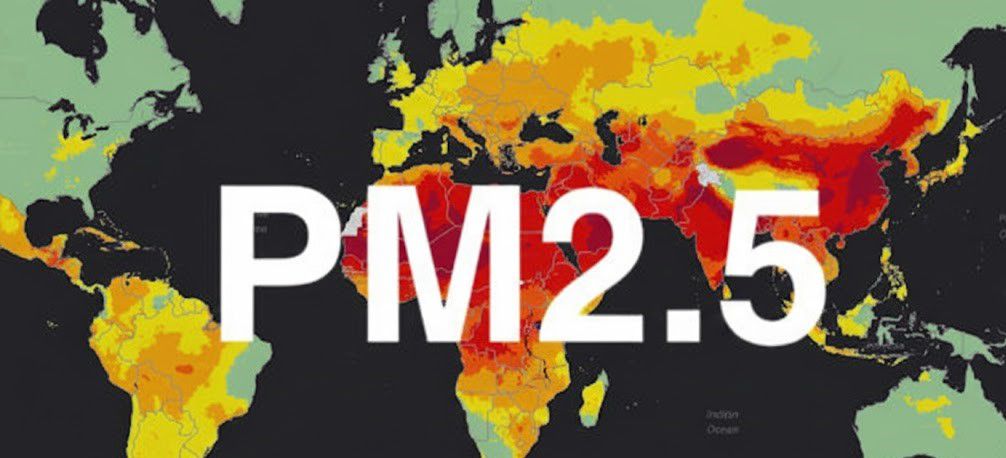
When the outdoor PM2.5 concentration increases, the air will become hazy, reducing visibility and looking similar to fog. The most worrying thing is that PM2.5 can easily penetrate deep into the human body through the respiratory tract and cause a series of unwanted diseases.
Acute and chronic effects: People who are regularly exposed may experience immediate problems such as sneezing, runny nose, difficulty breathing or dry eyes. When exposed for a long time, fine dust increases the risk of reduced lung function, chronic bronchitis, and especially increases the risk of lung cancer, cardiovascular disease, stroke and other diseases.
Other risks: Statistics show that if the concentration of PM2.5 fine dust increases by 10 µg/m³, the number of emergency patients with high blood pressure and cardiovascular diseases also increases significantly. In addition, PM2.5 is also considered the main cause of promoting the progression of cirrhosis, increasing the risk of metabolic diseases such as liver dysfunction and contributing to the development of diabetes.
So what is PM1.0 fine dust?
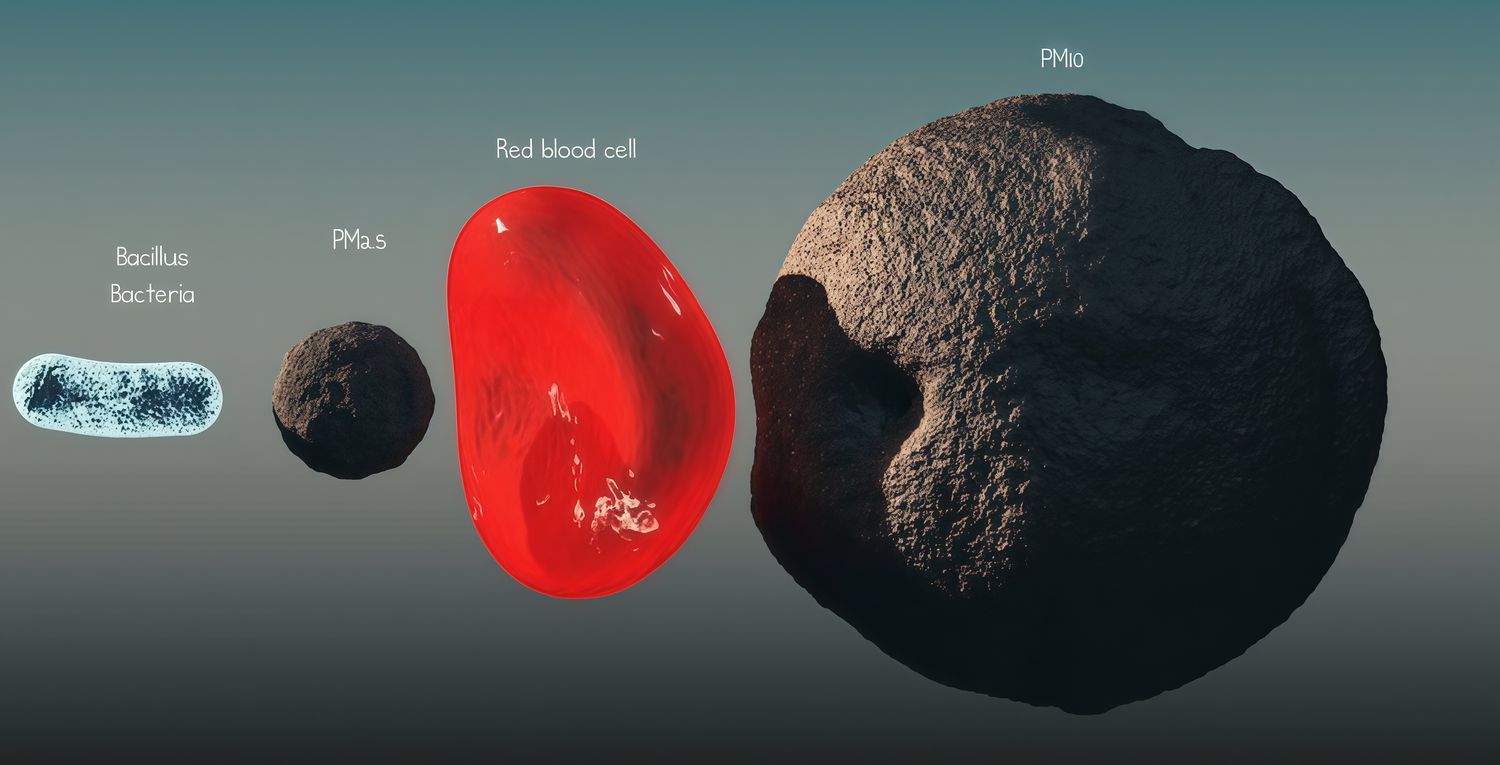
PM1.0 fine dust is very small dust particles in solid or liquid form floating in the air. The index 1.0 indicates the diameter of the dust particles is less than or equal to 1 micrometer.
This type of ultra-fine dust has been recorded in Vietnam in recent years, especially in cold, dry weather or when air quality declines.
Due to their extremely small size, PM1.0 has the ability to penetrate deeper into the respiratory system than larger dust particles. Many international studies have shown that long-term exposure to ultra-fine dust can be associated with respiratory and general health problems. Some documents also show that small dust particles can penetrate deep into the lungs and participate in the circulatory system, but the level of impact depends on the dust concentration, exposure time and health status of each person.
The unpredictable effects of both types of fine dust
Many international studies, including documents from IARC and WHO, show a link between air pollution levels and public health. Some statistics show that as the concentration of ultra-fine dust in the air increases, the risk of serious health problems also tends to increase. For example, if the concentration of PM1.0 dust increases by 10 µg/m³, the risk associated with cancer can increase significantly, and with PM2.5, the level of impact is also recorded at a higher level in many scientific reports.
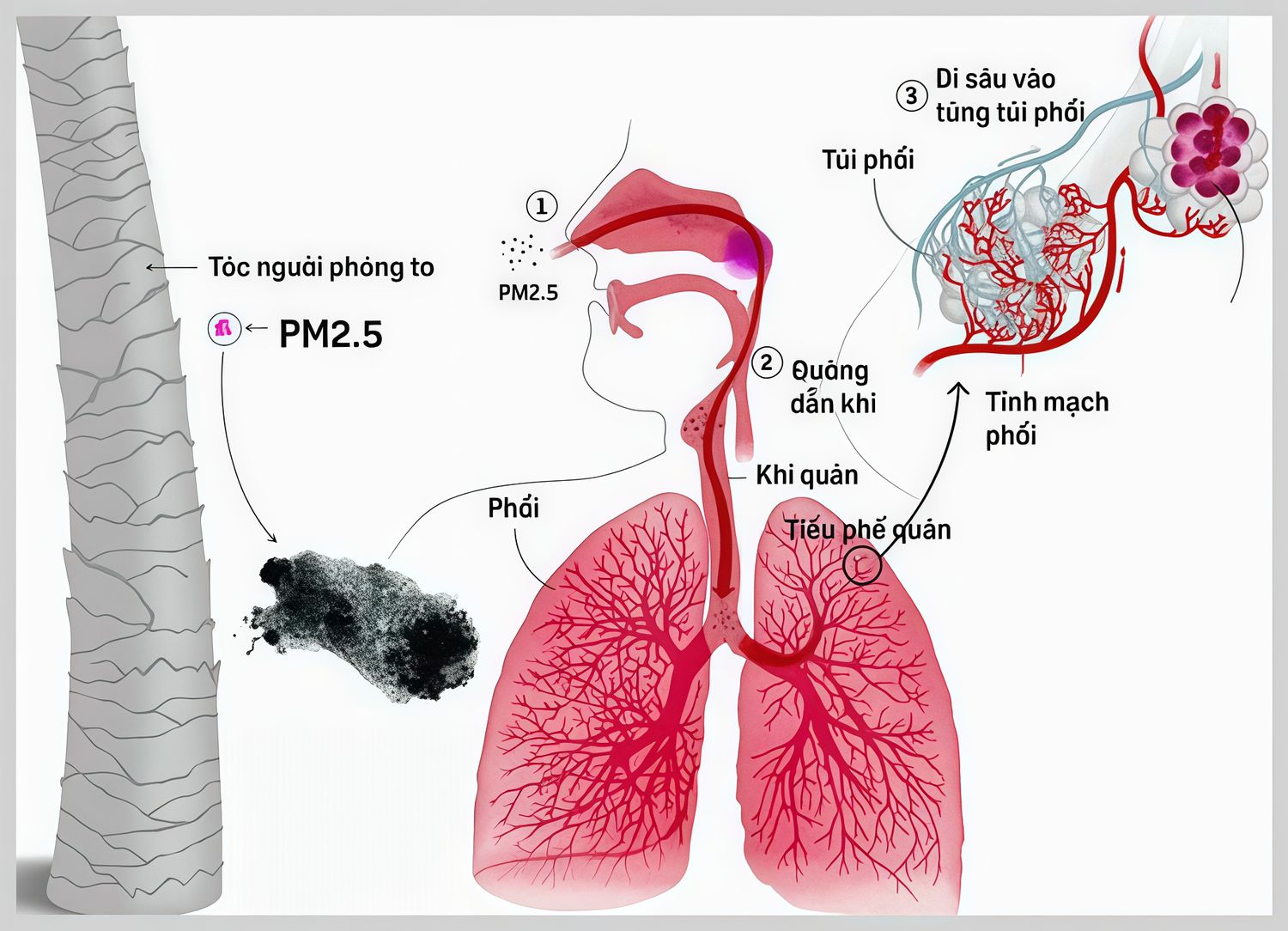
Fine dust PM2.5 and PM1.0 can enter the body through breathing. Depending on their size, dust particles will penetrate different locations in the respiratory system. PM1.0 can go deep into the lungs, while PM2.5, due to its small size, can reach deeper areas of the respiratory system and thereby cause certain effects.
When the body is exposed to high concentrations of fine dust for a long time, many studies show that the risk of cardiovascular, respiratory and circulatory problems may increase. The specific level of impact also depends on the concentration of dust in the environment, living conditions and physical condition of each person.
Read more:
Hanoi tops global air pollution list again
Air pollution in the office? What should be prioritized?
How to protect your health when the air is polluted
Reducing dust sources from daily activities and clean fuel transportation is the first step to limit pollution. In addition, increasing trees and keeping the living environment clean, airy, and free from dust and smoke also helps improve the living air. When going out at times when air quality is low, you should wear a suitable mask to reduce the amount of dust inhaled.
If the living space is a home or office, regular monitoring of indoor air quality will bring great benefits. EMIN provides environmental measuring devices that help manage dust levels and related factors such as humidity and temperature. For example:
Tenmars TM-280: Indoor air monitoring device, measures PM2.5 dust concentration, simultaneously displays temperature and humidity, helping to monitor the living environment on a daily basis
FujiE AM100: a convenient mini air meter for quickly checking the indoor environment, supporting monitoring of ultra-fine dust and other environmental factors.
Refer to the indoor air quality measuring devices distributed by EMIN such as Temtop M10, UNI T A25D, Elitech M10, M2000C. These devices help to accurately monitor the concentration of PM2.5 or CO2 so that you can proactively turn on the air purifier or open the ventilation when needed.
Thanks to these devices, you can know when to open the ventilation, turn on the air purifier or limit dust-generating activities to ensure the space is always fresh.
In parallel, improve your diet by eating more green vegetables, fruits and foods rich in vitamins to help your body maintain better resistance. A healthy body will be more adaptable when exposed to environmental changes and minimize risks when air quality fluctuates.