To control humidity effectively, people use specialized equipment such as agricultural moisture meters or moisture analyzers. These devices will directly contact the drying sample, measure and give accurate results. Based on that, users can easily evaluate product quality and adjust the drying process accordingly.
Ideal humidity for drying products?
Have you ever wondered what the standard humidity level of dried products is for best preservation? Each type of raw material will have a different suitable humidity level, but usually, this number fluctuates between 5% - 30%. Precise control will help the product maintain its quality for a long time and retain its original flavor.
For example, if you dry rice to preserve it for 2 - 3 months, the humidity needs to be maintained at around 13 - 14%. If it does not meet the standard, the rice may become moldy or lose quality during use.
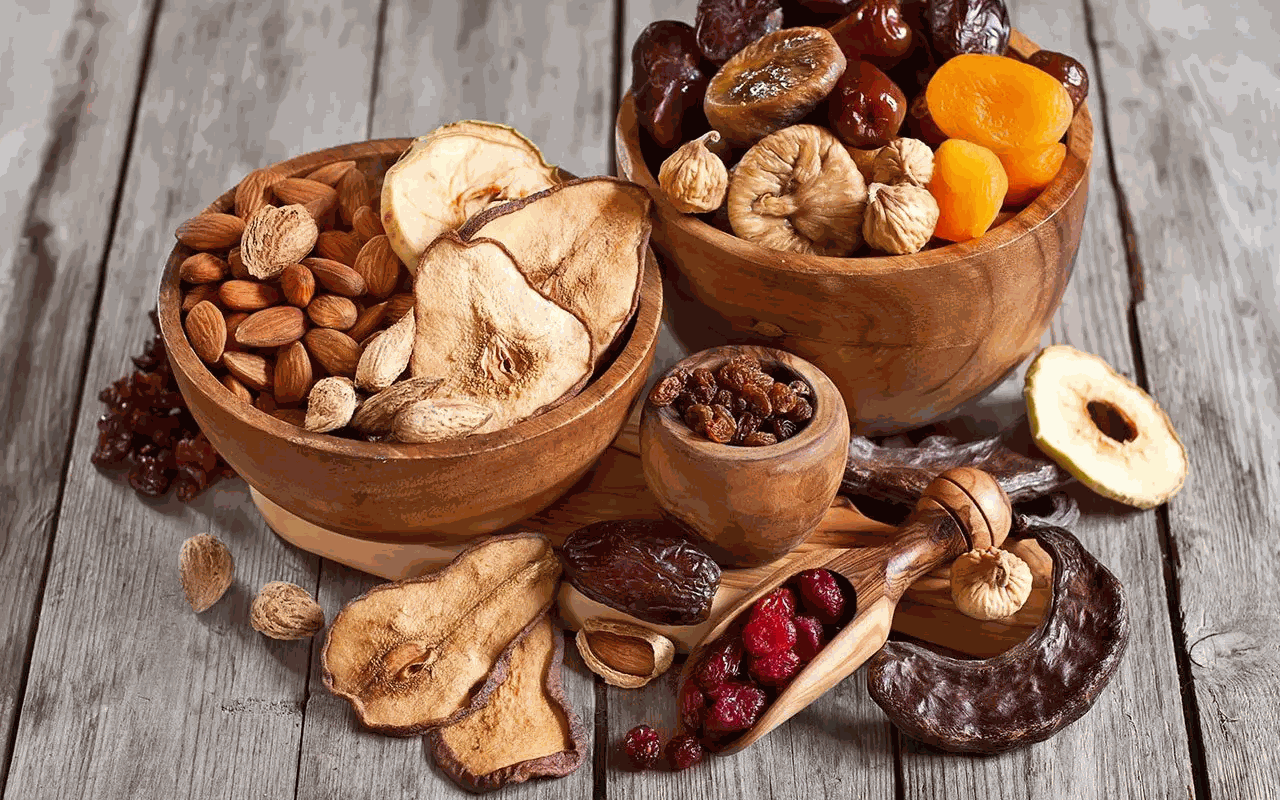
So what factors does this humidity depend on? It depends on the type of raw material, storage time and storage conditions. For dried nuts such as cashews and sunflower seeds, the appropriate humidity usually ranges from 5% - 15%. Meanwhile, dried fruits or leaves may need a humidity level of 15% - 25%, depending on the storage time. If you plan to store for a long time, you need to adjust the humidity appropriately to maintain optimal quality.
Formula for calculating product moisture after drying – Do you know yet?
When drying raw materials such as tubers, seeds, flour or meat, humidity control is an important factor in preserving the product for a long time without affecting the quality. For raw materials with a moisture content after drying of no more than 18%, the formula for calculating relative humidity (ω) is determined as follows:
ω = (G1 - G2)/G × 100; %
In which:
G1: Weight of box and raw materials before drying
G2: Weight of box and sample after drying
G: Weight of sample to be determined
Important notes when preserving dried products
So, how to keep the dried product in the best quality after completion? Here are some notes you should not ignore:
Clean the sample before drying: Helps remove impurities, ensures the product is of good quality and can be used immediately after drying without having to wash again.
Classify raw materials according to intended use: Helps optimize the drying process, saving time and storage costs.
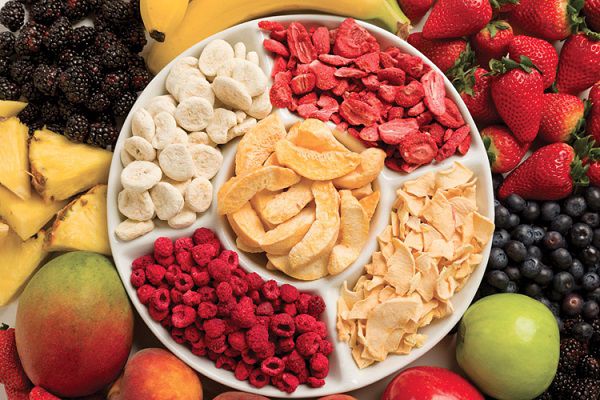
Choose the right drying method: Depending on the type of raw material, you can choose to dry, dry soft or use methods such as drying oven, drying cabinet, electric drying or firewood.
Regularly control temperature and humidity: Use a humidity probe to monitor accurately, avoid the case of the product being too dry or having excess moisture, affecting the storage time.
Proper packaging: After drying, the finished product should be stored in a sealed plastic bag, vacuumed and placed in a glass cabinet or cold storage to maintain the quality of the product.