Laboratory Accessories
Reliable lab work often depends on small but essential components that support sample preparation, handling, and routine workflows. From disposable consumables used in microbiology to practical add-ons for benchtop equipment, Laboratory Accessories help keep testing processes consistent, efficient, and easier to manage in daily operation.
For buyers in quality control, research, food testing, and industrial laboratories, this category is useful when the main instrument is already in place but the workflow still needs the right supporting items. Choosing appropriate accessories can improve sample integrity, reduce handling time, and help align the setup with the way the lab actually works.
Why laboratory accessories matter in everyday lab operation
Accessories are often the parts that connect instruments, operators, and samples into a workable process. In many labs, performance is not only determined by the main device, but also by the quality and suitability of the supporting items used alongside it. This is especially true in repetitive tasks where sample containment, filtration, transfer, or compatibility with equipment can affect both efficiency and result reliability.
In practical terms, the right accessory helps reduce avoidable interruptions. It can support cleaner handling, more stable sample preparation, and smoother integration with existing tools. For teams building or maintaining a complete setup, it is often worth reviewing related equipment such as laboratory blenders when selecting accessories intended for sample homogenization workflows.
Typical roles of accessories in sample preparation and testing
Within a laboratory environment, accessories can serve several different functions depending on the workflow. Some are designed for direct contact with the sample, while others support transportation, organization, or operator safety. Their value comes from fitting the actual task rather than being treated as generic add-ons.
In sample preparation applications, accessories may help with containment, filtration, transfer, or compatibility between consumables and instruments. In hygiene-sensitive workflows, they can also contribute to cleaner handling and more repeatable preparation steps. Where personal protection and contamination control are relevant, users may also review related categories such as laboratory apparels to complete the working environment.
Example accessory for blending and filtered sample handling
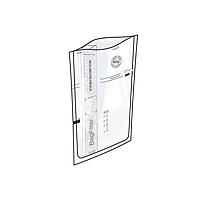
A representative product in this category is the Interscience BagFilter P lateral filter bag (400 mL). This type of accessory is designed for use in sample preparation procedures where a filtered bag format is needed together with a laboratory blender. It illustrates how accessories are not simply secondary items, but often a functional part of the analytical workflow.
Based on the available product information, this bag features a lateral filter design, a reinforced multilayer construction, and a rigid transparent format. Compatibility with laboratory blenders is an important consideration because it supports straightforward integration into blending-based sample preparation. For laboratories handling microbiological or homogenized samples, accessories of this kind can help separate preparation steps more cleanly and support more efficient downstream work.
How to choose the right laboratory accessory
The best choice usually starts with the workflow, not the item name. Buyers should consider what stage the accessory supports: sample collection, preparation, filtration, handling, transport, or operator protection. It is also important to confirm whether the accessory is intended for one-time use, repeated use, or a specific instrument family.
Another key point is equipment compatibility. If an accessory is used with a blender, holder, cart, or another lab device, the form factor and operating context should match the actual setup in the lab. Material construction, transparency, rigidity, and handling convenience may also matter depending on the sample type and the user’s routine procedures.
In higher-throughput environments, teams may also look beyond the bench itself and consider movement and logistics inside the lab. For example, supporting categories such as carts and trolleys for laboratory use can be relevant when samples, consumables, or prepared materials need to be moved safely between work areas.
Brand context: Interscience accessories for laboratory workflows
Among the manufacturers represented in this category, Interscience is relevant for laboratories involved in sample preparation and microbiology-related workflows. Accessories from this brand may be especially useful where blending and filtered sample handling are part of the routine process. Rather than evaluating accessories in isolation, many buyers prefer to consider the broader workflow they belong to.
This approach is helpful because accessory selection is rarely only about dimensions or material alone. It is also about whether the item supports the intended application, fits the handling method used by technicians, and works smoothly with the instruments already installed in the lab.
What B2B buyers usually look for in this category
For procurement teams, laboratory managers, and technical users, the main concerns are usually consistency, suitability, and ease of integration. A laboratory accessory should match the target process and support stable day-to-day use without introducing unnecessary complexity. This is particularly important in environments where multiple operators follow standard procedures and need consumables or support items that are easy to identify and use correctly.
Documentation quality, practical usability, and replacement planning also matter. Even when the accessory itself is relatively simple, it may still play a critical role in keeping a testing or preparation workflow running without delays. That is why many labs treat accessories as part of their operational infrastructure rather than as minor supplementary purchases.
Building a more complete laboratory setup
Laboratory accessories are most useful when selected as part of a broader system. A filtered bag used with a blender, protective wear used in sample handling, or mobility solutions used for internal transport all contribute to a more functional and organized lab environment. Looking at accessories in this way helps buyers make more informed purchasing decisions based on real process needs.
Whether the requirement is for a specific consumable or for supporting items around existing equipment, this category brings together products that help laboratories operate more smoothly. Reviewing compatibility, workflow fit, and usage conditions will usually lead to a better choice than selecting accessories on description alone.
For laboratories that want to improve sample preparation, routine handling, and day-to-day practicality, a well-chosen set of accessories can make a meaningful difference in how efficiently the entire setup performs.
인증된 전문가에게 직접 연결