
2026년 09월 29일 10시 57분 56초
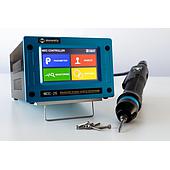
Torque-controlled assembly tools can help electronics manufacturers apply and document fastening requirements, verify bit selection, enforce sequences, and collect station-level process data.
Torque-controlled assembly tools can help electronics manufacturers apply and document fastening requirements, verify bit selection, enforce sequences, and collect station-level process data.
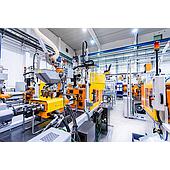
High-volume assembly benefits from consistent torque control, ergonomic support, lower-noise tools, soft-stop fastening for delicate joints, and durable brushless tool designs.
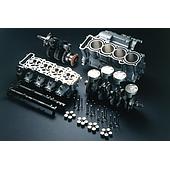
RPM may affect torque applied to an assembly joint because speed changes the duration of applied force and can change inertia. Record validated RPM settings and verify residual torque at the joint.
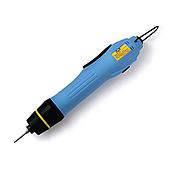
Brushless electric screwdrivers use electronic commutation rather than motor brushes. For high-volume assembly, this can reduce wear-related maintenance and support more consistent fastening operations.
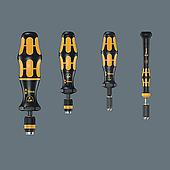
Power torque tools support controlled fastening by applying the required torque to screws. Tool selection should consider torque tolerance, speed, fastener size, controls, ESD needs, maintenance, and total cost of ownership.
인증된 전문가에게 직접 연결