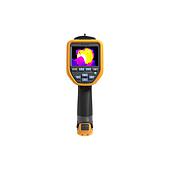
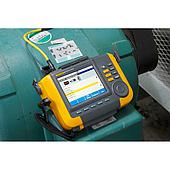
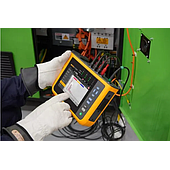
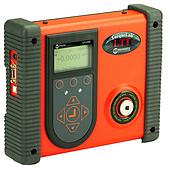
EMIN shares a simple and easy-to-follow method for measuring heating resistance using a multimeter, helping technicians quickly assess the condition of components.
What is a heating resistor?
Heating resistors are electrical components that convert electrical energy into heat energy when an electric current passes through them. These components are commonly found in heating devices, drying equipment, or temperature control systems for both domestic and industrial applications.
The main component of a heating resistor is a resistance wire made from a heat-resistant alloy such as Nichrome, Kanthal, or stainless steel. This wire is encased in an insulating layer such as MgO powder or mica, and is protected by an outer sheath made of ceramic, stainless steel, or glass to insulate and protect the heating element.
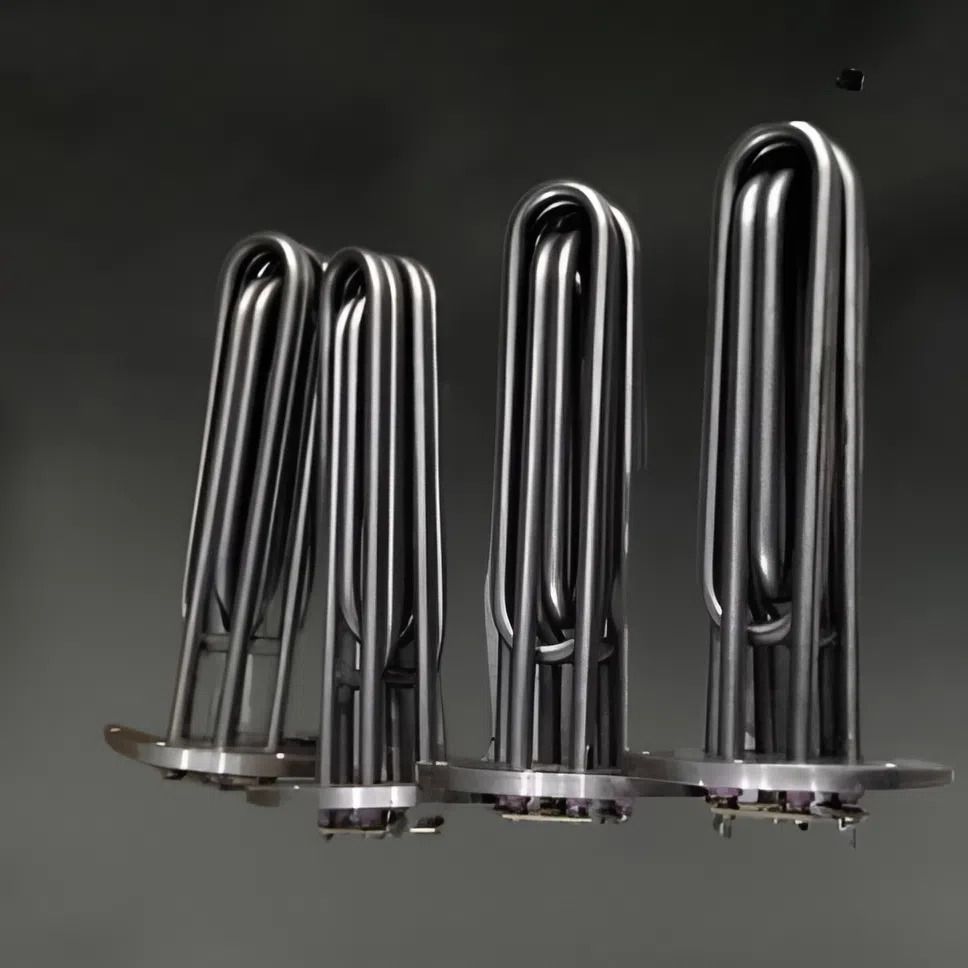
The operating principle is based on the phenomenon of heat dissipation when an electric current flows through a resistor wire. The heat generated is directly transferred to the surrounding environment for heating purposes.
When abnormal signs appear, it is necessary to check to determine whether the resistor is still working or is faulty. A common and easy method is to measure it with a multimeter, allowing technicians to quickly identify the condition of the component before repair or replacement.
When should you check the heating resistor?
Testing should be conducted when the heating equipment is performing poorly, failing to meet temperature requirements, generating abnormal heat, or consuming excessive energy. Additionally, physical signs such as warping, surface cracks, discoloration, or scale buildup indicate that the resistance needs reassessment. Regular testing after installation, maintenance, or periods of downtime helps to minimize malfunctions and maintain stable operating conditions for the equipment.
Applications of heating resistors in practice.
- Heating resistors are used to generate heat quickly, warming objects or the surrounding environment. Thanks to their ability to convert electrical energy into heat energy, these components are widely used, from familiar household appliances to large-scale production lines.
- In the industrial sector, heating resistors are installed in plastic injection molding machines, textile machinery, confectionery production equipment, and many metalworking systems such as forging, welding, and heat cutting. The heat generated helps materials reach a suitable state for shaping or surface treatment.
- In food production and processing, heating resistors are found in ovens, dryers, cooking ovens, and specialized heating equipment, assisting in cooking or drying ingredients at a stable temperature.
- In heating systems, this component plays a role in generating heat for heaters, air heaters, two-way air conditioners, and heat dissipation components, contributing to maintaining a suitable working or living environment.
- The automotive industry also applies heating resistors for items such as heated windows, heated seats, and cabin warming to increase comfort when driving in cold weather conditions.
- Trong y tế, một số thiết bị điều trị và chăm sóc sức khỏe sử dụng điện trở đốt nóng để kiểm soát nhiệt độ phục vụ quá trình trị liệu hoặc hồi phục.
- In addition, heating resistors are also integrated into temperature measurement and control systems, acting as a heat source for sensors to support automatic temperature monitoring and adjustment.
From the above applications, it can be seen that heating resistors play an important role in many devices. When abnormal signs appear, timely inspection helps to minimize operational disruptions and prevent widespread damage..
Instructions for measuring heating resistance using a multimeter.
In the practical repair and testing of heating equipment, multimeters are commonly used to assess the condition of heating resistors. These measuring devices come in two common forms: digital and analog, with different operations but the same goal: to determine whether the resistor is still functioning or is damaged.

1. Measure the heating resistance using an electronic multimeter.
First, turn on the multimeter and switch to resistance measurement mode using the ohm symbol. If the multimeter doesn't automatically select the measurement range, choose a range that matches the expected resistance value. Some models integrate multiple functions into a single selector button; in that case, use the switch to display the ohm symbol on the screen.
Next, plug the black probe into the COM port and the red probe into the resistance measurement port. Place the two probes in direct contact with the two ends of the heating resistor. The value will be displayed immediately on the screen. For resistors with multiple pins, measure each pair sequentially to identify the pins that are no longer conducting.
Measuring heating resistance using an electronic multimeter is quite convenient, quick to operate, and suitable for routine testing. To ensure accurate results reflecting the component's condition, it's recommended to use electronic multimeters with good stability. Popular models currently in use include the Kyoritsu 1009, Sanwa CD800a, and Kyoritsu 1021R.
2. Measure the heating resistance using an analog multimeter.
With an analog multimeter, first select the appropriate resistance measurement range on the meter's dial. Then, plug the probes into the COM port and the ohm measurement port. Before measuring, touch the two probes together and adjust the needle to the 0 ohm mark to eliminate initial errors.
When measuring, place the two probes on the two ends of the heating resistor. The reading on the scale should be multiplied by the coefficient of the selected measurement range to get the final result. For example, if you select a range of 100 and the needle points to 27, the corresponding value is 2700 ohms.
Analog multimeters allow for direct observation of changes in the measuring needle, making it easy to identify open circuits or decreased conductivity of heating resistors. When using them, it is advisable to prioritize models with stable quality to ensure that the measurement results accurately reflect the true values. Some commonly used models include Kyoritsu 1109S, Sanwa YX-360TRF, and Hioki 3030-10.
Understanding the procedure for measuring heating resistance simplifies the testing process and makes it easier to apply in practice, thereby quickly determining the operating condition of components. To ensure accurate measurement results, a suitable and reliable multimeter should be used. EMIN currently offers a wide range of multimeters from brands such as Hioki, Kyoritsu, Fluke, and Sanwa, meeting the testing and repair needs in technical environments.