Operations when using a concrete chisel
When working with a concrete chisel, the actions you perform are very important. If you do not clearly understand and operate incorrectly, work can be interrupted. The machine may vibrate, or the chisel tip may deviate from the required position, causing difficulty during use.
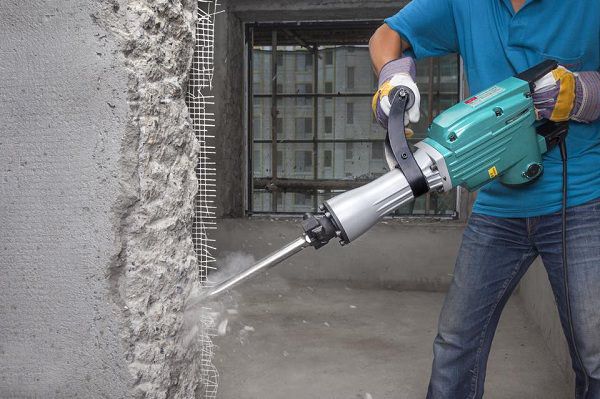
- First, when using a concrete chisel, you should choose the most comfortable standing position to easily control the machine. Correct posture will help you keep the machine stable and at the same time be able to react quickly to any unexpected situations. This also helps minimize vibration and increase precision when contacting the concrete surface.
- Next, clearly identify the points that need to be destroyed. This will help you perform operations more quickly and accurately, saving time and effort.
- Finally, adjust the chisel speed to suit each type of surface. Start at a slow speed so the chisel can firmly penetrate the surface, then gradually increase the speed to drill deeper into the concrete.
Instructions for using a concrete chisel machine
Check safety
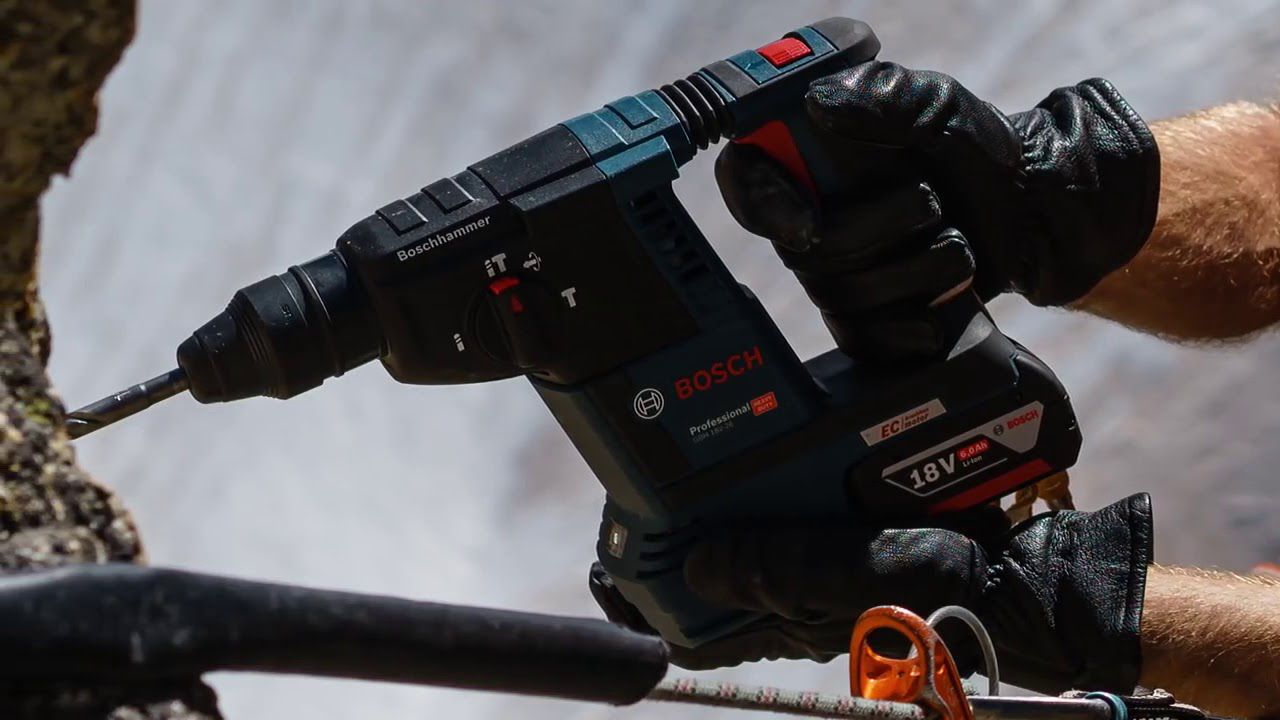
Before using a concrete chisel, the first important thing is to fully prepare labor protection clothing. This clothing not only helps you avoid dust and dirt, but also protects you from potential hazards when operating the machine.
Besides, make sure the surrounding space is safe enough to work. If this area is visited by people, especially children or the elderly, remind or ask them to move to a safe place before starting to destroy concrete.
Check the machine and chisel orientation
Before starting the concrete chisel, carefully check the machine voltage to ensure it is suitable and stable. If you detect any damage or malfunction on the machine, you need to repair or replace it immediately to avoid risks when using it.
During work, hold the machine tightly and use moderate force to fix the chisel tip in the correct position to be chiseled. If the force is too weak, the chisel may slide out of position, endangering you and interrupting your work.
When chiseling, place the chisel tip at an angle of about 15 degrees relative to the concrete surface. Avoid placing the chisel vertically down on the surface, as this may reduce effectiveness and increase the risk of accidents. Placing the chisel at this angle gives you better control and ensures the chisel goes deeper and more accurately into the concrete, while also protecting your safety during work.
Start chipping away at the concrete
Once you have thoroughly checked everything, you can begin the work of chipping away at the concrete. To start, press the switch on the machine and place the chisel in the correct location on the concrete surface. Place the chisel on the marked point and apply enough pressure to ensure the chisel goes smoothly.
A few things to keep in mind: if you're chiseling on a smooth, polished floor surface, start at the front edge of the surface for better control and to avoid slipping. If you destroy a wall, start from the inside and move outward to ensure effectiveness
Some errors cause concrete chisels to fail quickly
Besides mastering standard technical operations when using a concrete chisel, you also need to pay attention to some errors that can cause your chisel to break quickly:
Using too much force when manipulating: Adjusting the operating capacity of the chisel is very important. You need to choose the appropriate capacity for the machine to operate effectively without using too much force. If you use too much force, not only is the chisel easily damaged, but it can also affect the working process, causing unwanted problems.
No cooling or improper cooling: During the process of chiseling concrete, the chisel tip will come into contact with the surface of the material, creating high temperatures. If not cooled properly, this temperature can damage the chisel tip, even leading to burning or wearing out the tip, causing work interruption.
Improper use: Another common mistake is improperly installing the chisel bit or not choosing the right chisel bit for the type of material being chiseled. This not only reduces work efficiency but can also be dangerous for the user and damage the machine. Make sure you always install and use the chisel correctly according to the instructions to protect yourself and your equipment.
Safety principles when using concrete chisels
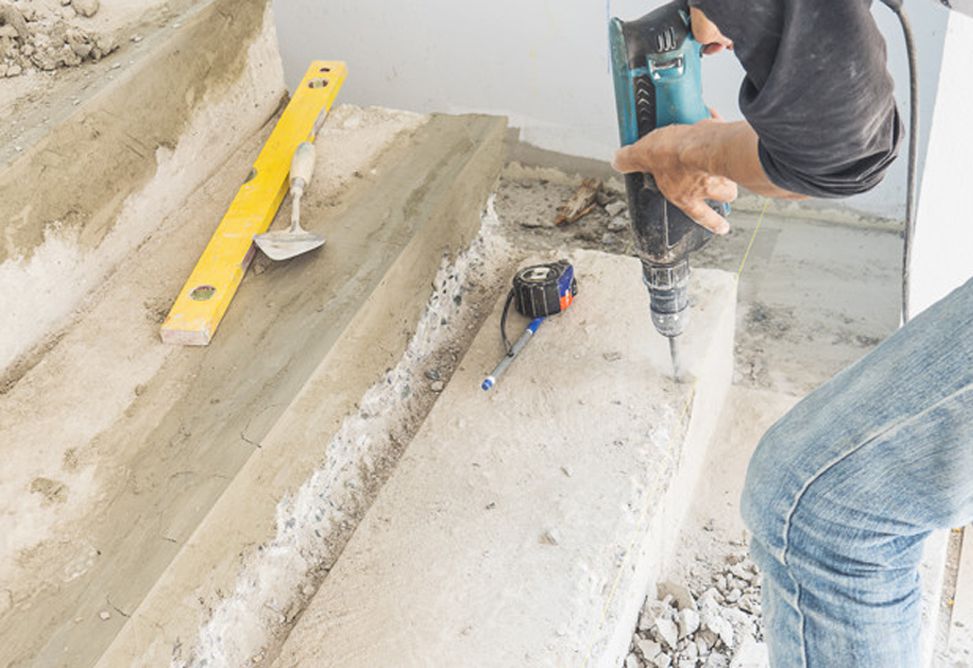
- When working, choose a well-ventilated area, away from flammable and explosive materials. This helps reduce the risk of accidents during chiseling.
- Be fully equipped with protective clothing, especially ear protection, to protect yourself from loud noise and dust during work.
- After using the machine, you should place the machine in a dry place, avoid leaving it in the rain or wet places to protect the machine from damage. At the same time, always keep the machine and ventilation slots clean to ensure the machine operates well.
- Always check the power source and voltage before using the machine. The suitable voltage is usually 220V or 230V. This ensures the machine operates stably and avoids overload.
- Finally, always hold the device with both hands and maintain the most comfortable posture when working to be able to react promptly in unexpected situations.
Refer now:
BOSCH GSH 11 VC demolition machine (1,700W)
MAKITA HM1201 concrete chisel (1130W)
GOMES GB-5814 concrete chisel, 950W