A transformer test bench is an integrated testing setup used to examine key electrical characteristics of transformers. Rather than relying on one basic instrument, it combines measurement, control, and protection functions to support a more systematic test process. This makes it useful wherever teams need to evaluate transformer condition, verify performance, or review test data over time.
What Is a Transformer Test Bench?
A transformer test bench can be understood as a dedicated evaluation platform for transformers. It is designed to apply defined test conditions and measure relevant electrical parameters, helping users assess whether transformer behavior is consistent with the needs of a given test procedure.
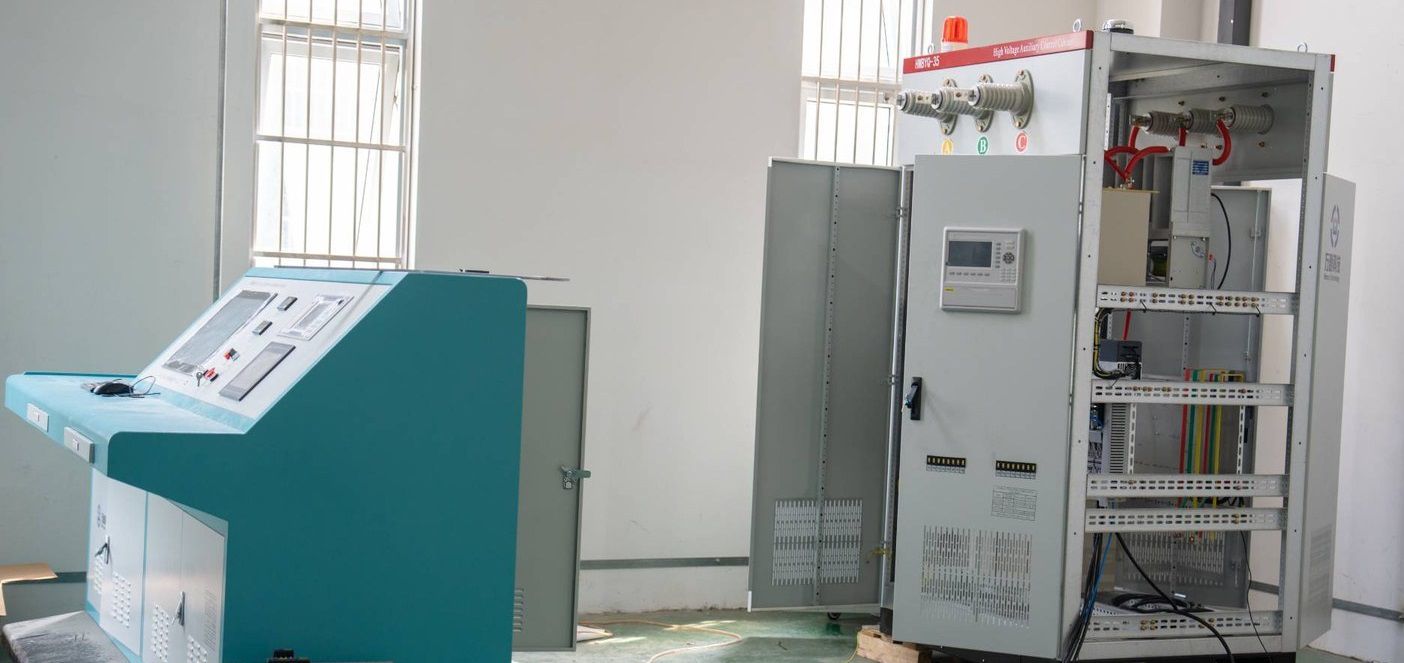
Depending on the test configuration, the bench may bring together high-voltage test equipment, measuring instruments, and a data acquisition and analysis system. Common measurements referenced in transformer testing include voltage, current, power, impedance, and resistance. The important advantage is coordination: the equipment, wiring, control steps, recorded values, and report review can be managed as part of one organized workflow.
Why Transformer Testing Matters
Transformers play a central role in power systems, so their operating condition deserves careful attention. Two areas often considered during performance evaluation are insulation performance and temperature-rise behavior.
Insulation performance
Insulation separates energized and non-energized parts. When insulation ages or is damaged, the risk of electrical faults such as short circuits or grounding faults can increase. Testing insulation-related characteristics helps create a clearer picture of the equipment’s condition before issues become more serious.
Temperature-rise behavior
Transformers generate heat in service. Excessive temperature can contribute to faster insulation aging and may affect service life. Evaluating temperature-rise characteristics is therefore relevant when reviewing transformer performance and thermal management.
Core Functions in a Transformer Test Bench
The exact functions of a transformer test bench depend on its configuration and the required test method. However, a complete arrangement may include the following elements:
- High-voltage testing equipment: used when evaluating voltage withstand capability under specified test conditions.
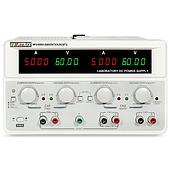
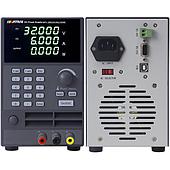
- Measuring instruments: instruments such as multimeters, oscilloscopes, and power meters can support measurement of electrical values during testing.
- Control and protection functions: these help organize the test sequence and support safer, repeatable operation.
- Data acquisition and analysis: recorded results can be reviewed through software and compiled into detailed test reports.
A test bench is therefore different from a standard multimeter. A multimeter is useful for individual basic measurements, while a dedicated bench is intended to coordinate multiple measurements and test functions in a structured transformer testing process.
Where Transformer Test Benches Are Used
In power equipment manufacturing, control system for transformer can support verification before transformers leave the factory. In power grid operation and maintenance, periodic testing can help teams identify potential concerns and compare results across inspection cycles.
These systems are also relevant to research and new product development. When a transformer design is being evaluated or refined, controlled testing and documented measurements can support design verification and parameter optimization.
Good Practices for Meaningful Test Results
The value of a transformer test bench depends not only on the equipment but also on the quality of the process. Clear operating procedures help reduce avoidable human error and improve consistency from one test to the next.
Regular calibration of measuring instruments is equally important because data quality depends on instrument condition. Test results should also be interpreted in context, considering the transformer’s operating history and the purpose of the test rather than viewing isolated values alone.
Finally, retaining test records over time can be valuable. A well-maintained set of results may help users observe performance trends and support more informed maintenance decisions.
Frequently Asked Questions
What tests can a transformer test bench support?
Depending on the bench configuration, transformer testing may include no-load tests, load tests, DC resistance measurement, insulation resistance measurement, dielectric loss measurement, induced withstand voltage tests, and impulse withstand voltage tests.
What can affect transformer test results?
Environmental temperature, humidity, power-supply voltage stability, and test wiring methods can affect results. Consistent conditions and standardized procedures help make comparisons more meaningful.
Why is data review important after testing?
Recorded data and detailed reports allow users to review measured values, compare them with prior results, and consider potential performance trends. Transformer Turns Ratio Tester
into a repeatable evaluation process rather than a single isolated measurement.