
I. What is the Modern Distillation Process?
1. What is the Distillation Process?
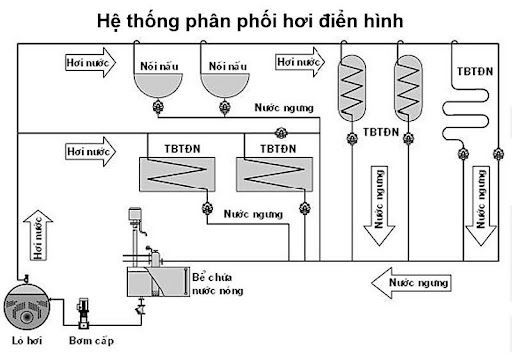
After separating the liquids from the mixture based on the difference in their boiling points, the mixture is heated, the substances with lower boiling points will evaporate first, then cooled and condensed into liquid form, separated from the original mixture. This is the Distillation Process - an indispensable method in industrial production and laboratories, especially in fields that require product purity control.
2. Basic Steps in the Distillation Process
The distillation process usually includes the following main steps:
Step 1. Prepare raw materials: Select and process raw materials, ensure cleanliness and correct proportions. For wine, it is necessary to choose the right type of rice to cook. Brown glutinous rice is the most popular choice because of its delicious quality and unique aroma.
Step 2. Heat: Put the mixture into the distillation jar and heat it to the required temperature to separate the desired substance. With traditional distillation, you will wash and soak the rice in a jar for 4-6 hours and then put it in a rice cooker to cook. Modern distillation will also wash and soak, but can use a water condenser so that the quality can be well controlled.
Step 3. Vapor separation: The liquid vapor is led through a cooling tube to condense into liquid. When using the traditional method, families or local production facilities often use copper pots to cook. However, there is a risk of natural toxins as well as dizziness. With a condenser, this will be limited.
Step 4. Product recovery: The liquid after condensation is recovered separately, ensuring high purity. When the wine is cooked, it will have a strong aroma, feel smooth and numb on the tip of the tongue. However, to achieve a certain deliciousness, the wine should be drunk after 24 hours.
3. Where is the Distillation Process Applied?
Distillation process is applied in many fields such as:
Wine and essential oil production: Separation and purification of volatile compounds.
Chemical industry: Separation of substances in petroleum, production of pure chemicals.
Pharmaceuticals: Solvent recovery, purification of active ingredients.
Water treatment: Desalination, purification of seawater.
II. What Factors Affect Distillation Process Efficiency?
1. Raw Material Size and Mixing Ratio
Smaller raw material size increases the contact area with the solvent, thereby improving the efficiency of the distillation process. Choosing the appropriate solid-liquid ratio also helps optimize the extraction ability and reduce product loss.
2. Temperature and Pressure
Precise temperature control is an important factor in the distillation process, especially with compounds that are thermally degradable. Pressure also affects the boiling point of substances, which determines the extraction efficiency and energy savings.
3. Distillation Equipment and Materials
Using modern distillation equipment and materials suitable for the chemical properties of the mixture will help increase the life of the equipment, ensuring safety and product quality.
4. Distillation Method
Common methods in the distillation process include:
Simple distillation: Used for mixtures with large differences in boiling points.
Fractional distillation: Applied to mixtures with similar boiling points, helping to separate different components.
Steam distillation: Used for volatile compounds that are insoluble or slightly soluble in water.
Vacuum distillation: Reduces pressure to lower boiling point, suitable for compounds that are easily thermally decomposed.
III. What to Keep in Mind When Optimizing the Distillation Process
Select the appropriate distillation method: Based on the chemical properties of the mixture to choose the optimal method.
Strictly control the operating parameters: Temperature, pressure, steam flow... must be continuously monitored.
Invest in modern equipment: Use high-quality distillation equipment and water condensers to ensure efficiency and safety.
Optimize the continuous distillation process: Always update new technologies, apply artificial intelligence and automation to production.
IV. DaiHan WCT-40 Water Condenser: Modern Solution For Distillation Process
1. The Role of Water Condenser in the Distillation Process
Water condenser is an indispensable equipment in the distillation process, helping to condense steam or volatile compounds into liquid form, thereby effectively recovering the product and ensuring high purity. Using high-quality water condenser will help improve the efficiency of the distillation process, reduce loss and save energy.
2. Outstanding Advantages of DaiHan WCT-40 Water Condenser
Wide cooling temperature range: DaiHan WCT-40 water condenser has the ability to cool from -20°C to -40°C, suitable for many different distillation applications.
Large capacity: Capacity up to 10 liters, meeting the needs of medium and large scale production.
High-quality materials: Stainless steel tank, 20mm thick polyurethane insulation, ensuring durability and safety in operation.
Digital PID controller: Helps control temperature accurately, easy to install and operate.
Superior safety features: Overcurrent protection, sensor fault detection, leakage breaker and safety lock mode.
Convenient design: Backlit LCD display, built-in drain valve, easy to clean and maintain.
3. Reasons to Choose DaiHan WCT-40 Water Condenser for Distillation Process
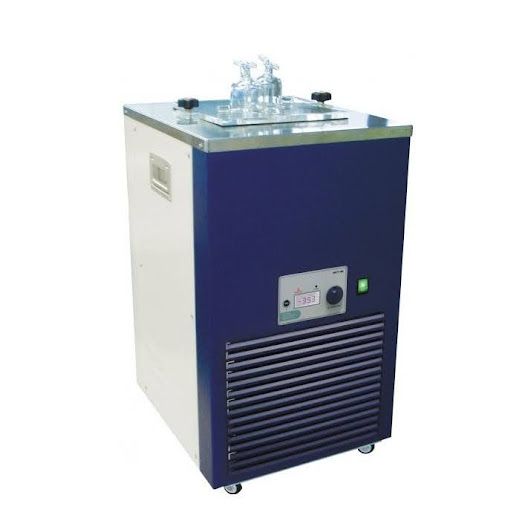
Using DaiHan WCT-40 water condenser not only helps optimize the distillation process but also improves product quality, saves operating costs and ensures absolute safety for users. This is an ideal choice for laboratories, chemical and pharmaceutical factories and industries that require strict control of the distillation process.
Refer to the types of Water Condensers at: https://emin.vn/thiet-bi-phong-thi-nghiem-binh-ngung-tu-nuoc-265/pc.html
Conclude
Optimizing the distillation process is an inevitable trend to help businesses improve production efficiency, save costs and ensure product quality. Investing in modern equipment such as the DaiHan WCT-40 water condenser will be a smart solution, helping your distillation process achieve optimal efficiency and long-term sustainability.




