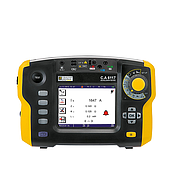
Many electrochemical sensors used in multi-gas detector have an inherent characteristic known as cross sensitivity. This phenomenon can cause measurement results to differ from the actual gas concentration in the environment. A gas sensor does not always respond exclusively to its target gas; its readings can also be influenced by other gases present in the atmosphere.
What Is Cross Sensitivity ?
Cross sensitivity is the phenomenon in which a gas sensor designed to detect a specific gas also responds to other gases with similar chemical properties.
For example, an H₂S sensor may generate a signal when exposed to SO₂, while a CO sensor can be affected by Hydrogen (H₂). In such cases, the instrument detects signals from both the target gas and the interfering gas, then converts those signals into a concentration value displayed on the screen.
As a result, operators may observe readings that are either higher or lower than the actual gas concentration, even though the sensor itself is functioning normally.
Why Does Cross Sensitivity Occur ?
Most portable gas detectors use electrochemical sensors to monitor toxic gases such as CO, H₂S, SO₂, NH₃, and NO₂. Inside the sensor, gas molecules pass through a membrane and undergo electrochemical reactions at the electrodes, generating an electrical current proportional to the gas concentration.
The challenge is that different gases can produce similar electrochemical reactions on the electrode surface. While the sensor can detect the resulting electrical signal, it cannot always determine exactly which gas generated that signal.
The degree of cross sensitivity depends on sensor design, manufacturing technology, and the composition of gases present in the monitoring environment.
How Does Cross Sensitivity Affect Gas Measurements ?
The most common effect is an increase in the displayed reading. For instance, in areas where Hydrogen is present, a CO sensor may respond to both CO and H₂. In this situation, a multi-gas detector may display a CO concentration higher than the actual level, leading users to believe there is a carbon monoxide hazard when the source of interference is Hydrogen.
In other cases, cross sensitivity can reduce the sensor signal. The air quality meter may then display a concentration lower than the actual value, creating a false sense of safety and increasing the risk for personnel working in hazardous environments.
Cross sensitivity is also a common cause of false alarms. A gas detector may trigger an alarm even when the target gas is absent or present only at a very low concentration. This situation is often encountered in chemical plants, wastewater treatment facilities, and industrial environments where multiple gases coexist.
For organizations that rely on continuous gas monitoring systems, cross sensitivity can affect long-term data records and reduce the reliability of environmental and occupational safety reports.
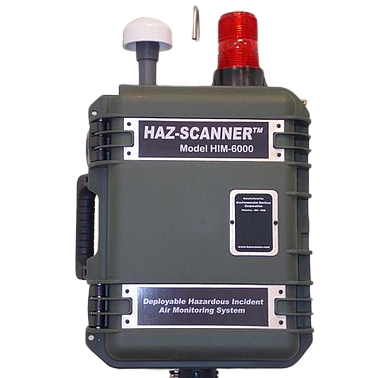
Gas Sensors Commonly Affected by Cross Sensitivity
Not all gas sensors are affected to the same extent. H₂S and CO sensors are among the most susceptible to cross sensitivity.
H₂S sensors may respond to sulfur-containing gases such as SO₂. Likewise, CO sensors are often influenced by Hydrogen, particularly in battery charging stations and industrial hydrogen production facilities.
SO₂, NO₂, and Cl₂ sensors may also be affected by gases with similar oxidizing or reducing properties. For this reason, when selecting a gas detector for a specific application, users should carefully review cross sensitivity specifications rather than focusing only on measurement range or resolution.
How Can Cross Sensitivity Be Evaluated ?
Most reputable manufacturers provide cross sensitivity tables in their sensor technical documentation. These tables indicate how much signal an interfering gas can generate, usually expressed as an equivalent concentration of the target gas in parts per million (ppm).
By reviewing these specifications, users can estimate potential measurement errors when operating in environments where multiple gases are present.
This information is particularly important for safety engineers, environmental monitoring professionals, and industries where mixtures of hazardous gases may occur.
How to Reduce the Impact of Cross Sensitivity
The most effective approach is to select the appropriate sensor for the intended application. Before investing in a multi-gas tester, users should identify which gases are likely to be present in the workplace and avoid sensors that are highly susceptible to interference from those gases.
In addition, high-quality gas detectors are often equipped with chemical filters, advanced signal-processing algorithms, and improved sensor technologies that significantly reduce the effects of cross sensitivity.
Regular calibration is also essential. Although calibration cannot completely eliminate cross sensitivity, it helps maintain sensor performance and allows abnormal deviations to be identified at an early stage.
When measurement results appear inconsistent with actual site conditions, operators should consider the possibility of interfering gases rather than focusing solely on the target gas.
A clear understanding of cross sensitivity, combined with proper interpretation of technical specifications and careful sensor selection, helps users obtain more reliable measurement data, reduce false alarms, and improve the effectiveness of toxic gas monitoring programs.