So what exactly is HDPE, why is it mentioned so often, and what criteria are typically used to test and evaluate HDPE in production? Let's find out with EMIN in the article below!
What is HDPE?
HDPE stands for High Density Polyethylene, a type of thermoplastic with high molecular density. In practice, HDPE commonly appears in the form of pipes, sheets, or blocks and is widely used due to its lightweight, strong, crack-resistant properties and relative ease of processing to meet product requirements.
It is also a type of plastic classified as Group 2 recyclable, quite familiar in applications such as water pipes, packaging, bottles, containers, technical components, and many other industrial products.
Why is HDPE receiving so much attention in manufacturing?
It's no coincidence that HDPE is frequently mentioned in discussions about materials. In industrial production, plastics in general, and HDPE in particular, are chosen for their ability to meet requirements for mechanical properties, stability, and cost.
However, to ensure the material is suitable for its intended use, HDPE often needs to be monitored and evaluated during processing, especially in stages related to shape, structure, and thermal reaction.
Items that are regularly inspected
- Material structure: Inspect the internal uniformity, detect hidden defects or irregularities formed during the molding process.
- Dimensions and surface finish: Monitor the thickness, shape, and finish of the product against the original design, especially for pipes, sheets, and technical components.
- Temperature: Observe the material's reaction to heat, thereby controlling deformation or changes in properties throughout the production process.

Besides HDPE, what other materials are commonly subjected to similar testing?
In practical production, the measurement and testing methods used on HDPE are also applied to many other materials such as engineering plastics, steel, aluminum, alloys, and rubber. Each material has its own characteristics, but all need to be evaluated for structure, dimensions, and thermal conditions to ensure suitability for practical applications.
Material measurement solutions in manufacturing:
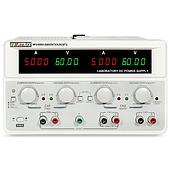
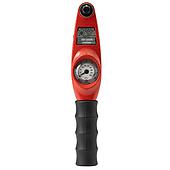
In this field, EMIN provides measurement equipment for testing industrial materials such as HDPE plastics, engineering plastics, metals, and rubber. Common measurement methods include hardness testing, ultrasonic material testing, panme, thermal monitoring using thermal cameras, and thermoelectric measuring devices.
These solutions are often used to support material monitoring during the production process, helping businesses control output quality according to technical requirements.
Why has HDPE become such a frequently searched keyword?
The phrase "investing in HDPE is always a good idea" appeared at a time when social media was paying more attention to materials, production, and practical business. From a viral phrase, HDPE quickly became widely discussed, leading to numerous searches such as "what is HDPE?", "what is HDPE plastic used for?", and "is it okay to work with HDPE?".
Most readers were not only curious about the trend, but also wanted to understand more about the nature of HDPE, why this material is so common in production, and why many industries continue to choose HDPE for so long. This need for understanding has made HDPE a highly searched keyword recently.