What is the maximum rotation speed of a Bosch angle grinder?
Understand the speed of a hand grinder correctly
Many users often mistakenly believe that the maximum rotation speed is the actual working speed of the grinder. However, these two concepts are completely different. The speed of a hand grinder is the actual rotation speed of the grinding wheel when the device is operating to process the material surface.
Meanwhile, the no-load speed is the maximum speed that the grinding disc can reach when the machine is running in a state without any cutting or grinding force. Normally, the machine will be started first to reach this speed to prepare for the work immediately after.
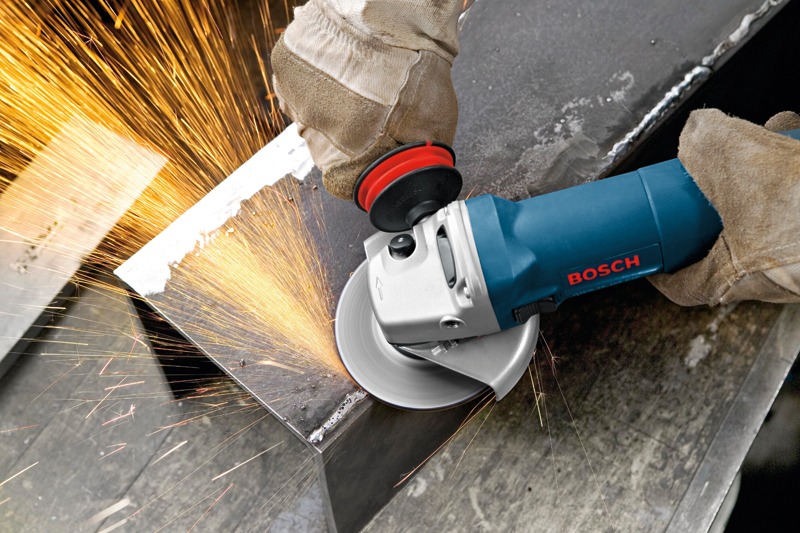
What does the rpm rating on an angle grinder mean?
The unit representing the maximum rotational speed is usually recorded as "rpm", or revolutions per minute. This parameter is clearly shown by the manufacturer Bosch on the machine body or in the technical specifications. However, in actual use, the machine does not always reach the correct rpm level recorded on the machine because it also depends on the weight of the material and the level of operation.
For example, the Bosch GWS 6-100 S model has a recorded no-load speed of 11,000 rpm, but when used to cut or grind hard materials, the machine usually only rotates at around 9,000 to 10,000 rpm. The deeper the material is machined, the more the speed is reduced and if the load capacity is exceeded, it can lead to overheating, broken discs or even motor failure.
Typically, Bosch's small angle grinders can reach speeds of over 10,000 rpm, while larger models typically operate at a steady 6,000 to 6,500 rpm. It should be noted that the higher the rotation speed, the more wear and tear on the grinding disc, so you should consider choosing the appropriate speed for the type of material and the intended use to achieve high efficiency and ensure the durability of the device.
What is the maximum operating speed of a Bosch angle grinder?
When you use a Bosch hand grinder or a straight grinder, each device has a certain maximum operating speed. This is the highest limit that the machine can achieve when combined with accessories such as grinding wheels, cutting wheels, sanding discs or polishing discs, operating in a pre-established process.
This speed is measured in meters per second (m/s) and is determined according to widely recognized safety standards such as DIN EN 12413, DIN EN 13743 or DIN EN 13236. These are standards that regulate the safety level of abrasive tools, to prevent and limit risks during use.
The above standards were developed by experts based on many tests, from which recommendations on the maximum speed compatible with each type of grinding wheel or material are made, helping you choose the right tool for each specific job.
Previously, the maximum working speed was often shown through color codes on the grinding tool. For example, the blue bar corresponds to 50 m/s, yellow is 63 m/s, red is 80 m/s and green is 100 m/s. Although the use of color codes is no longer mandatory, many manufacturers still apply them to help users identify them more easily.
In fact, the maximum operating speed of genuine Bosch grinders, including both handheld and benchtop, depends mainly on the type of material and the way the grinding or cutting tool is connected:
- For diamond cutting discs, the maximum speed is usually 80 m/s for angle grinders, and 100 m/s for motor-driven devices such as large angle grinders, slot cutters or table saws.
- Diamond grinding discs usually operate stably at 80 m/s.
- Standard sponge grinding wheels have a maximum working speed of about 50 m/s, however, those with a width larger than 100mm should only be used at 30 m/s, while grooved designs reach about 40 m/s.
- For small sponges or those with small handles used for Bosch straight grinders, the maximum speed is usually around 40 m/s.
Choose the right grinder according to the no-load speed
Normally, an angle grinder from popular brands such as Bosch or Makita has a rotation speed ranging from 2,000 to 12,000 rpm. Choosing the right speed will help the work be more efficient and ensure safety during use.
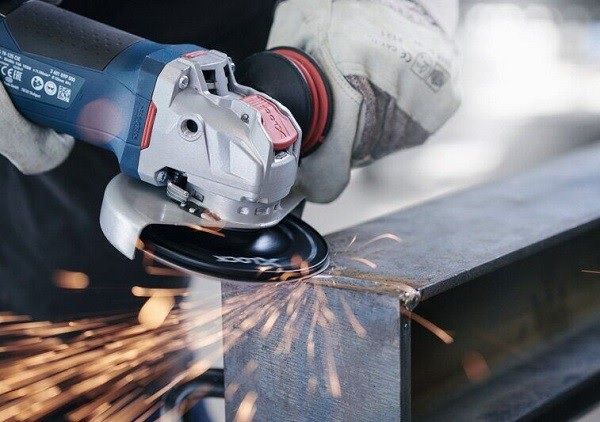
If you are looking for an angle grinder for surface grinding, you should prioritize devices with a no-load rotation speed of 10,000 rpm or more. The most ideal level is about 11,000 rpm. High speed will help the grinding process take place faster, reduce wear on the grinding disc and limit possible problems.
See more grinding machine products at: EMIN distributed hand-held grinders
In addition, for more effective grinding, you should also choose a machine with a large disc diameter, preferably about 125mm. This way, each contact will cover a larger area, saving time and effort.
On the contrary, if the main purpose is to cut materials, you should aim for angle grinders with a stable rotation speed of about 8,000 to 9,000 rpm. This speed level helps create precise, easy-to-control cuts. If the speed is too high, the cut may be skewed or shifted; if it is too low, cutting the material will become difficult or not achieve the desired effect.
Related Articles:
Is it difficult to sharpen a drill bit with a two-stone grinder?
What's so hot about a pen-shaped grinder? Features and applications