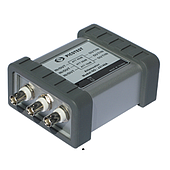
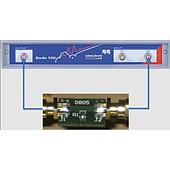
Early inspection helps identify the level of aging, manufacturing deviations or environmental influences, especially in parts working in conditions of heat, humidity, or high electrical loads.
The most obvious practical situations when measuring breakdown voltage
- Production: evaluation of input materials, inspection of components after assembly and before shipment.
- Research: determination of dielectric properties of new materials, comparison of results before and after environmental tests.
- Equipment maintenance: inspection of insulation condition of motors, transformers, capacitors, switching devices or old cables.
Common errors and how to fix them
This measurement is prone to error if not performed correctly. Off-center electrode alignment causes uneven field distribution, leading to premature discharge. Poor grounding of the cable or a humid test environment can cause leakage currents on the surface of the sample. Contaminated or greasy samples can also give lower results than the actual results.
The solution lies in controlling the test conditions: keeping the surface dry and clean, adjusting the electrode gap to a stable level, choosing a consistent voltage ramp rate. In addition, the device needs to be periodically calibrated, because errors in the high-voltage measuring circuit can make the entire result invalid.
Read more about breakdown voltage to understand better: If you don't know about breakdown voltage then here is the answer for you.

When to repeat the measurement. Reasonable inspection schedule
Not all materials require frequent testing, but when operating conditions are severe, it is advisable to establish a clear inspection cycle. For production lines, batch testing is common, with each batch representing a shift or batch of material. For equipment operating continuously, re-testing is usually performed after each maintenance period or when abnormalities such as leaks, sparks, or changes in surface temperature are detected.
The results of each measurement should be recorded to monitor the decreasing trend of the breakdown voltage. When the value is found to be decreasing rapidly, it is the basis for assessing the aging level and planning for replacement before a failure occurs.
Breakdown voltage testing is not a mandatory operation in every process, but is a key step in understanding the insulation condition of electrical materials and equipment. When the measurement data is collected and managed properly, it becomes the basis for maintaining the safety and reliability of the entire electrical system.