Hanna HI98509 handheld thermometer
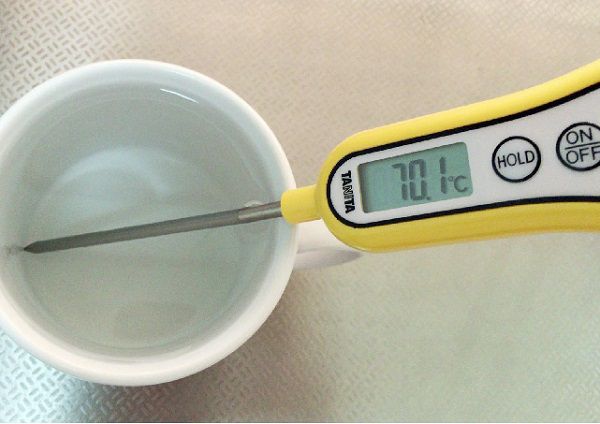
The Hanna HI98509 handheld thermometer is one of the high-quality devices that is loved and trusted by many users. This is the ideal choice for measuring the temperature of water mixed with baby milk, and is also very effective in measuring the temperature of boiling water. This device has many outstanding advantages:
– Wide temperature measurement range: Hanna HI98509 can measure from -50.0°C to 150.0°C, suitable for many different applications, from frozen environments to high temperature processes.
– High accuracy: The device provides an accuracy of ±0.3°C (-50.0 to 150.0°C), ensuring reliable temperature measurements in many fields, including food, medical and industrial Karma.
– Compact design and easy to use: This temperature gauge has a compact design, easy to carry and use. Simple interface with clear buttons helps users operate easily without much instruction.
Next temperature probe PCE ST-1
PCE ST-1 is a product from the PCE brand, famous for its high quality temperature measuring devices. This is one of the optimal options for measuring boiling water temperature with many outstanding advantages:
– Wide measuring range: PCE ST-1 temperature probe is capable of measuring from -40°C to 250°C, suitable for many different applications from frozen environments to high temperature industrial processes .
– High accuracy: The device provides ±1.5°C accuracy, ensuring reliable measurement results for applications requiring tight temperature control such as manufacturing, food processing and industry chemistry.
– Fast response time: PCE ST-1 is equipped with a temperature sensor with fast response time, helping users quickly receive results without waiting long.
How to measure temperature using boiling water
Measuring boiling water temperature needs to be done carefully to ensure safety and high accuracy. Below are detailed instructions on how to use a thermometer to measure boiling water:
Measuring temperature with a contact thermometer:
1. Prepare and measure:
- When the water begins to foam a lot, turn on the contact thermometer.
- Carefully place the thermometer probe in the middle of the pot of boiling water, avoiding contact with the pot wall so as not to be affected by the pot's temperature.
- Place the probe submerged in water about 2 - 3cm.
2. Read the results:
- Wait a few seconds until the thermometer stabilizes.
- Read the temperature value displayed on the thermometer.
Measure temperature with infrared thermometer:
1. Preparation:
- Make sure the infrared thermometer is installed in the correct liquid temperature measurement mode.
2. Measure and read results:
- Bring the infrared thermometer to the distance according to the manufacturer's instructions, pointing straight at the surface of boiling water.
- Press the measurement button and read the temperature value displayed on the screen.