For full functionality of this site it is necessary to enable JavaScript.
EMIN.VN
0

Why do spectrometers need regular maintenance?

2024년 07월 04일 16시 02분 43초

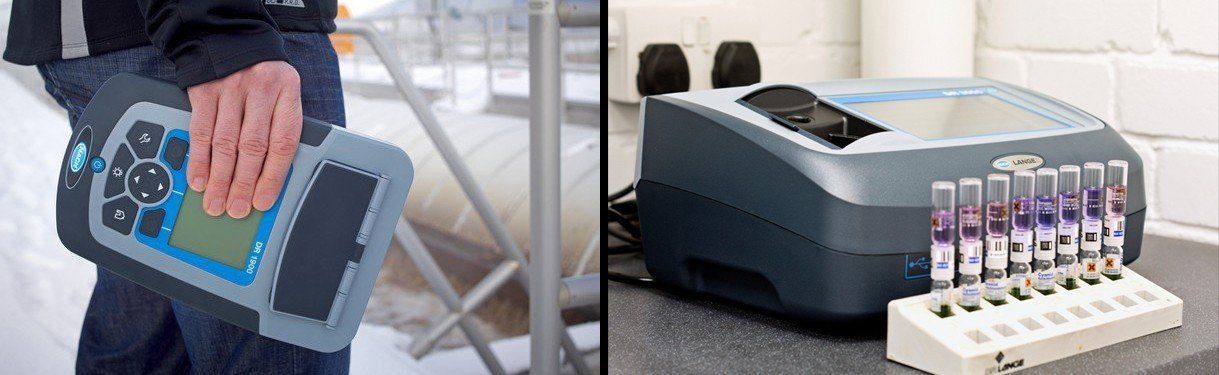
Spectrometers are used in laboratories and scientific research centers. They are usually electronic devices with function keys and large results display screens. The main function of a spectrophotometer is to separate, quantify and analyze solutions or solids. Engineers can use the machine to study properties, determine color, examine material composition and structure, and determine content. There are many different types of machines and models, suitable for each specific type of job. Currently, there are two popular types of spectrophotometers: handheld spectrophotometers and desktop spectrophotometers.

Applications that can be run on popular devices
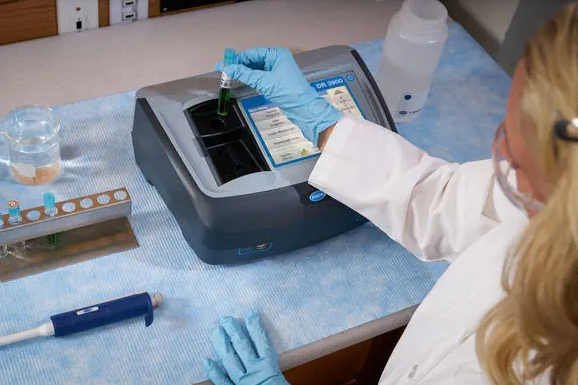
Spectrophotometers have many important applications, including:

- Determine the concentration of colorless or colored solutes in the fluid.

- Determine reaction rate by measuring the rate of creation and disappearance of substances.

- Used in forensic science to analyze evidence.

- Applied in molecular biology, it is possible to check the growth of microorganisms such as bacteria that cannot be seen with the naked eye.

- UV spectrophotometer is used in the pharmaceutical industry to determine drug ingredients.

- Used in the food or paint industry to check product quality

- Check water quality, analyze residues and fertilizers in water

- Analysis of spring and miracles in the medical field

- Detect impurities in the compound base

- Check metal structural components such as gold, steel, aluminum, copper

Why is it necessary to maintain the spectrometer?

There are two main reasons why you should maintain your spectrophotometer. Specifically:

Ensure accurate analysis results:

Over time, the device may produce inaccurate analysis results. In scientific experiments, inaccuracy means wasted effort. Regular maintenance of the spectrometer will help the instrument provide analytical results at the highest level of accuracy.

Detect and fix problems early:

During maintenance, signs of damage will soon be detected. From there, technicians will provide reports suggesting solutions. This helps prevent more serious damage to the machine, reduces repair costs and at the same time increases the lifespan of the device itself.

Spectrometer maintenance steps
1. Check and diagnose gas, electrical, spectrum connections:

Make sure all connections are working properly and have no damage.

2. Clean the lens and optical system:

Clean the lenses and optical system components to ensure no dirt or dust will affect the analysis results.

3. Clean the sample platform and align the electrode:

Make sure the sample platform is clean and the electrodes are properly aligned.

4. Clean Entrance slit and spectroscopy chamber (if necessary testing conditions:

Clean these parts to ensure there are no residues that affect the spectroscopy process.

5. Clean and change vacuum pump oil:

Ensure the vacuum pump operates efficiently by cleaning and changing the oil periodically.

6. Clean and change waste filter oil:

Make sure the exhaust filter is working properly by cleaning and changing the oil as necessary.

7. Overall cleaning of the device

Clean the entire device to ensure there is no dirt or residue that will affect performance.

8. Adjust device parameters:

Ensure device parameters are properly calibrated to maintain measurement accuracy.
관련 뉴스

Why do brushless centrifuges generate less heat?
2026년 07월 18일 09시 54분 09초

High-speed centrifugation over extended periods generates heat. For biological samples such as blood, plasma, proteins, or nucleic acids, an unexpected rise in temperature can affect processing results. Consequently, the motor becomes a key factor to consider, alongside rotational speed and rotor capacity

What is the difference between oil-lubricated vacuum pumps and oil-free diaphragm pumps?
2026년 07월 17일 10시 05분 46초

While both generate a vacuum, oil-lubricated pumps and oil-free diaphragm pumps differ significantly in their operating principles, advantages, and applications. Oil-lubricated pumps are typically chosen when a system requires a deep vacuum and strong suction power, whereas diaphragm pumps are preferred for laboratories, chemical processes, and environments where oil vapors must be avoided

Why is the vacuum pump making a loud noise? 6 common causes and how to fix them immediately
2026년 07월 17일 09시 36분 33초

A vacuum pump making louder-than-normal noise often points to issues with the rotating assembly, vanes, pump oil, filters, or the intake piping. The specific sound produced helps narrow down the cause: a sustained whistling sound differs from the rattling inside the pump chamber or a heavy, grinding noise accompanied by strong vibration

Which Vacuum Pump Should You Choose for a Microbiology Lab to Avoid Affecting Samples?
2026년 07월 15일 14시 45분 07초

Vacuum pumps are utilized in a wide range of microbiology laboratory procedures, from membrane filtration and the aspiration of supernatants following centrifugation to sample concentration and the support of negative-pressure systems. Selecting the appropriate pump not only ensures more stable operational processes but also minimizes the risk of sample contamination, reduces maintenance costs, and extends the equipment's lifespan

혜택 소식 받아보기

대량 할인, 도매 가격 업데이트 및 신제품 소식을 이메일로 받아보세요.

구독하면 당사의 서비스 이용약관개인정보 처리방침에 동의하는 것으로 간주됩니다.

빠른 지원

인증된 전문가에게 직접 연결