The walls look dry, but are they still damp inside?
Walls may be dry on the surface, but the internal moisture level remains high, especially after the rains in early February. Moisture accumulates in the concrete, brick, or plaster. The most reliable way is to directly measure the material's moisture content. Devices like the Total Meter EM-4806 allow for quick testing of wall, concrete, and wood moisture simply by applying the probe to the surface. The results are displayed instantly, helping you determine whether you can apply wallpaper immediately or if further treatment is needed.
If you need to flexibly measure various materials such as picture frame wood, decorative shelves, and wooden floors, you can consider the EXTECH MO230. This device is suitable for both civil and technical testing, providing stable and easy-to-read results.
What humidity level is suitable for safely hanging pictures on the wall?
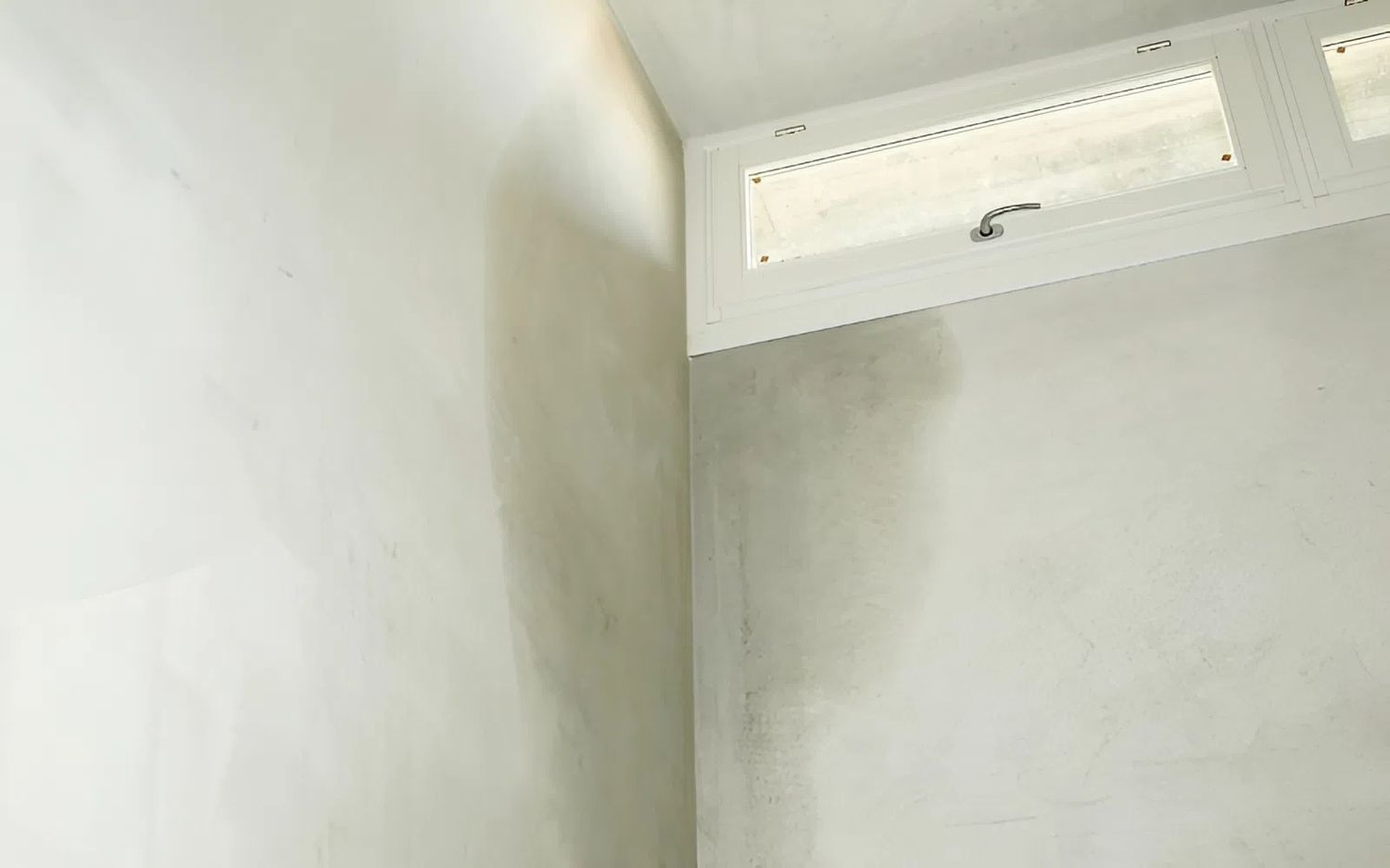
For brick walls, the lower the humidity level, the better. When the wall retains high humidity, the adhesive behind the wallpaper will be affected first. The adhesive loses its bonding strength, the paper absorbs moisture, creating a sealed environment for mold to grow.
If you've ever experienced a slight damp smell on a wallpaper that's only been applied for a few weeks, it's a sign the wall hasn't reached a stable, dry state.
Areas that have experienced water seepage, such as near bathrooms or at the base of ground-floor walls, should have multiple measurement points taken for a more accurate assessment. If a thorough inspection of painted surfaces is required, specialized equipment like the ELCOMETER 7000 can assist in assessing the moisture content of the substrate before finishing the decoration.
If the walls are still damp, how can I deal with it quickly before Tet ?
First, the cause must be identified. If there is a water leak, it must be thoroughly addressed. If it's due to humid air, the most effective solution is to reduce the room's humidity.
Opening windows for ventilation is only effective when the outside air is dry. During humid seasons, when outdoor humidity is high, opening windows can sometimes worsen the situation.
At this time, a household dehumidifier is a more proactive solution. By maintaining room humidity around 50–60%, the drying process of wall surfaces occurs faster and more steadily. Edison or DEHUTECH household dehumidifiers distributed by EMIN are suitable for common living room and bedroom sizes in apartments, operate quietly, and have an automatic humidity control mode.
Should the entire wall be inspected, or just the area where the picture is to be hung?
It's a good idea to check the humidity level directly in the area where you plan to hang the wallpaper and add a few more spots around it. Humidity can vary across a single wall, especially on areas that have been repaired or repainted.
Spring decorations are meant to start the new year clean and bright. So don't let a damp wall ruin all your preparations. Checking the humidity before hanging wallpaper is a small step, but it determines the durability and cleanliness of your living space.

If you need advice on choosing a suitable wall moisture meter or household dehumidifier for your area, you can refer to EMIN for more information on available models that meet your family's needs.