
10/09/y 13:53:41
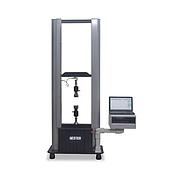
A higher force capacity is not automatically the best choice. Use this practical guide to assess tensile testing requirements, material properties, measurement needs, and long-term operating considerations.
A higher force capacity is not automatically the best choice. Use this practical guide to assess tensile testing requirements, material properties, measurement needs, and long-term operating considerations.
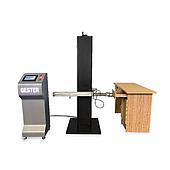
An overview of the GT-LD01C Drawer Durability Strength Testing Machine, its intended applications, controlled test functions, and role in furniture quality control.
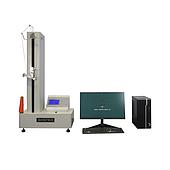
The GT-A01 Single Yarn Strength Tester is designed to assess the breaking strength and elongation of single yarns for laboratory and manufacturing quality control.
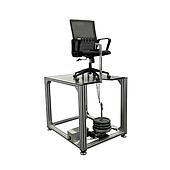
A clear operating guide for preparing, mounting, and testing a chair with the GT-LB06A Chair Front Stability Testing Machine.
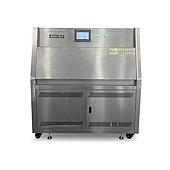
The UV Accelerated Weathering Tester GT-C29 is designed to support accelerated aging evaluations by cycling ultraviolet light, moisture-related conditions, heat, and darkness.
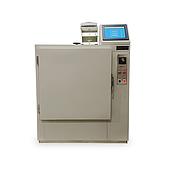
A practical operating guide to the GT-A37 Constant Temperature Oven for textile moisture regain testing, from initial setup through result review.
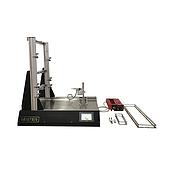
A practical overview of the setup and test sequence for the Vertical Combustibility Tester GT-C35B when evaluating vertically oriented materials.
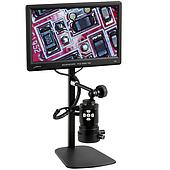
Kiểm tra PCB bằng kính hiển vi không đơn giản là chọn mức phóng đại càng lớn càng tốt. Khi phóng đại tăng, trường nhìn thu hẹp và vùng quan sát thay đổi. Với công việc sửa chữa, người dùng còn cần khoảng trống đủ lớn để đưa mỏ hàn, nhíp hoặc dụng cụ vào dưới vật kính.
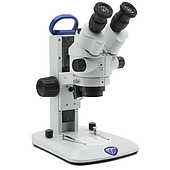
A binocular model is primarily intended for direct observation and hands-on work through two eyepieces. A trinocular model adds an optical port for connecting a camera, allowing users to capture images or record videos for training, documentation, or research.

Pulse Counting in Automatic Packaging Machines: Distinguishing Between Double-Counting Errors and Actual Product Shortages
ຮັບສ່ວນຫຼຸດພິເສດຕາມປະລິມານ, ອັບເດດລາຄາຂາຍສົ່ງ ແລະ ການແຈ້ງເຕືອນສິນຄ້າໃໝ່ສົ່ງກົງເຖິງອິນບັອກຂອງທ່ານ.
ໂດຍການສະໝັກສະມາຊິກ, ທ່ານຍອມຮັບ ເງື່ອນໄຂການໃຫ້ບໍລິການ ແລະ ນະໂຍບາຍຄວາມເປັນສ່ວນຕົວ ຂອງພວກເຮົາ.
ເຂົ້າເຖິງຜູ້ຊ່ຽວຊານທີ່ໄດ້ຮັບການຢັ້ງຢືນຂອງພວກເຮົາໂດຍກົງ