Generator Line Explained
In fact, the machine operates based on the principle of electromagnetic induction, converting mechanical energy into electric current for production and business. This device has the function of maintaining a stable power source when the grid system has problems, ensuring uninterrupted operation. Thanks to the ability to provide continuous power and high efficiency, industrial generators have become an important part of the energy infrastructure of many businesses today.
6+ Practical Applications of Generators
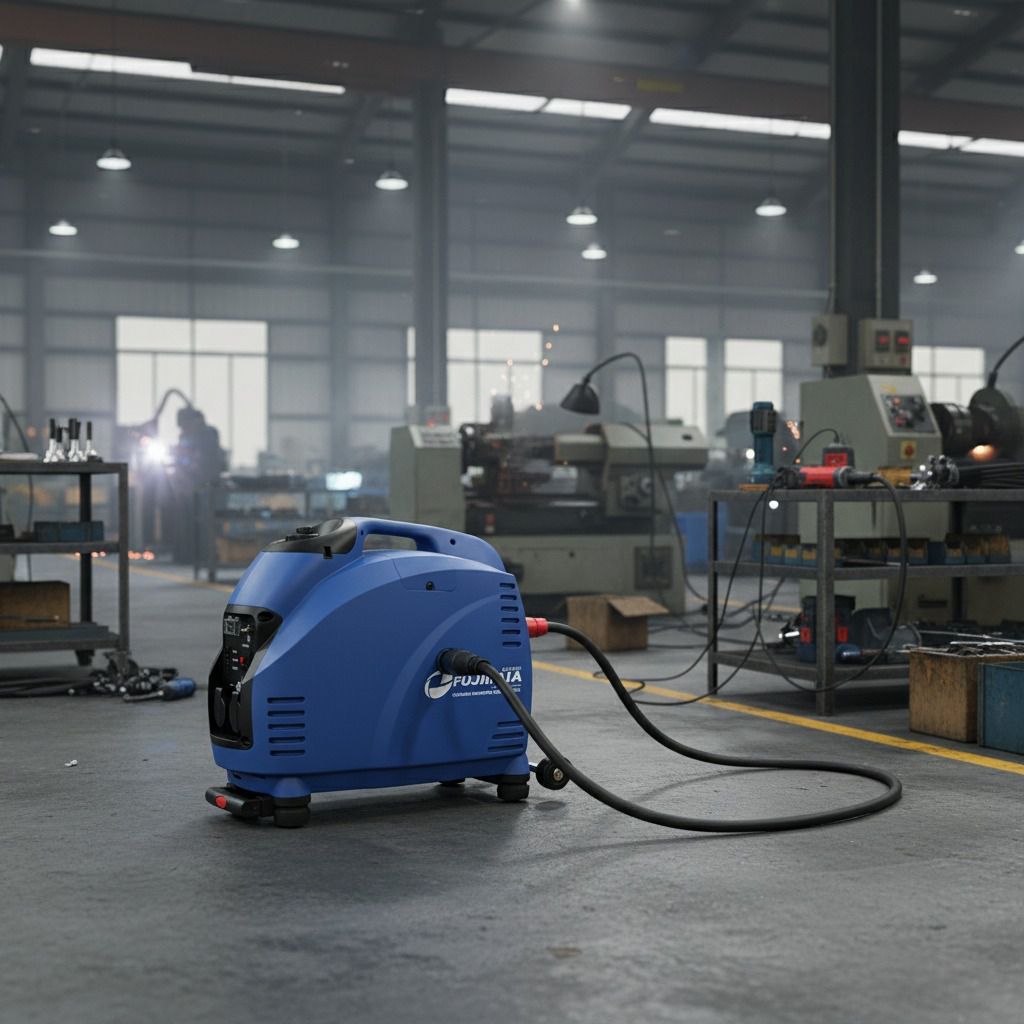
1. In agricultural production
In farming areas far from residential areas, it is often difficult to get electricity from the grid. Thanks to generators, farmers can easily operate equipment such as water pumps, grinders or lawn mowers. A stable power source makes irrigation, crop care, barn cleaning or harvesting more convenient and time-saving.
2. In the medical field
Medical facilities always need a continuous power source to operate medical equipment, especially in emergency rooms or intensive care units. Generators act as backup when the grid power fails, ensuring that the operation of medical equipment is not interrupted. In addition, many medical centers in remote areas also use generators as the main power source, helping to maintain stable operations around the clock.
3. In industrial production
In factories, production lines are completely dependent on electricity. Even a small power outage can cause significant damage. Therefore, industrial generators are indispensable equipment, helping businesses maintain continuous production, limit risks and avoid losses due to process interruptions.
4. In daily life

Electricity is an essential element in every household. When there is a power outage, daily activities such as cooking, food preservation or air cooling are all affected. A small capacity household generator will be an effective backup solution, helping the family maintain a normal life even in the event of a sudden power outage.
5. In transportation
Today's motor vehicles not only operate on fuel but also require electrical energy for many auxiliary systems such as cooling, automatic control or lighting. Therefore, most cars and large capacity vehicles are equipped with generators to ensure stable operation, especially when traveling long distances or far from areas with electricity grid.
6. In the service industry
In areas such as restaurants, hotels, spas or shopping centers, power outages can directly affect the customer experience. Generators help maintain stable operation of air conditioning systems, lighting, beauty equipment or kitchens, ensuring smooth and professional service. This is also a factor that demonstrates the thoughtful preparation and reputation of the business.
NOTES WHEN USING INDUSTRIAL GENERATORS
Today, industrial generators are designed to operate on a variety of fuels, including gasoline, diesel, propane (liquid or gas) and natural gas. Typically, small-capacity models for home or office use gasoline, while larger production models use diesel or gas to ensure higher performance and reliability. Some special devices are also equipped with a dual-fuel system that can operate alternately between diesel and gas to optimize costs and increase flexibility.
Users should choose the right machine for their needs and perform regular maintenance to ensure longevity and stable operation. More importantly, they should prioritize purchasing from reputable distributors to ensure product quality and origin. EMIN specializes in supplying and distributing genuine industrial generators with a variety of capacities and fuels. Customers can refer to the machine models at EMIN's distribution system to choose the most suitable equipment for their actual needs.