
2026年10月16日 17時22分08秒
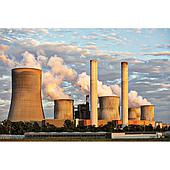
Việc chủ động kiểm soát nồng độ CO đòi hỏi tư duy kỹ thuật hệ thống, từ tối ưu hóa buồng đốt đến việc thiết lập hạ tầng quan trắc tự động liên tục.
Việc chủ động kiểm soát nồng độ CO đòi hỏi tư duy kỹ thuật hệ thống, từ tối ưu hóa buồng đốt đến việc thiết lập hạ tầng quan trắc tự động liên tục.
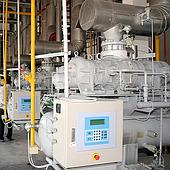
Managing refrigeration systems using ammonia (NH3) aims to minimize the risk of poisoning, fires, and explosions, ensuring occupational safety and system operation
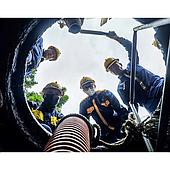
Confined space environments frequently accumulate hazardous gases originating from organic decomposition or long-term chemical reactions. Therefore, strictly adhering to the minimum 3-minute air testing procedure using a Portable Gas Detector is considered a mandatory safety requirement to protect workers' lives.
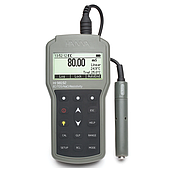
By mastering degradation mechanisms and implementing proper maintenance techniques, technicians can fully restore electrode sensitivity, ensuring stable equipment operation and significantly extending replacement cycles.
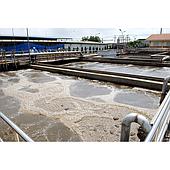
Decree No. 08/2022/ND-CP (updated and amended by Decree No. 48/2026/ND-CP) sets strict regulations on emissions monitoring and administrative penalties for business, production, and service establishments.
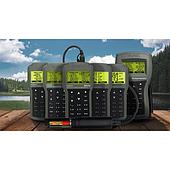
Strictly controlling water environment parameters—from farming to preliminary processing—is not only a technical requirement to overcome technical barriers to trade (TBT) and sanitary and phytosanitary (SPS) measures, but also the key to protecting corporate reputation.
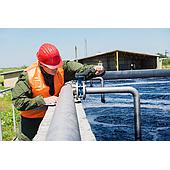
This article addresses various questions in turn, covering whether conversion is permitted, how to establish the K-factor, when the factor ceases to be valid, and which equipment is suitable

The current situation regarding electroplating wastewater analysis presents challenges: the wastewater contains acids, alkalis, and heavy metals (such as Cr, Ni, and Cu), alongside persistent cyclic organic compounds derived from brightening agents, anti-misting additives, and degreasing solvents. This complex composition causes significant fluctuations in COD levels depending on the specific process stage and production shift. Sending samples to external laboratories results in a delay of several days—by which time the biological treatment tanks or coagulation systems may have already been operating improperly for too long. Utilizing a benchtop COD analyzer on-site reduces this turnaround time to just a few hours, provided the user fully understands the specific sources of error associated with electroplating wastewater

Wastewater treatment plants serving apartment complexes, buildings, and residential areas sometimes experience effluent COD levels approaching regulatory limits, particularly following sudden load surges or shortly before scheduled compliance sampling. QCVN 14:2025/BTNMT, applicable to domestic wastewater from September 1, 2025, sets COD limits based on discharge volume and the receiving water body, while allowing dischargers to choose between TOC and COD parameters
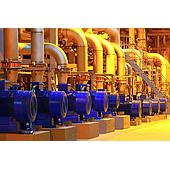
Rising pressure on urban clean water supplies, combined with the need for energy conservation, is compelling water treatment plants to comprehensively restructure their mechanical infrastructure. Operational models relying on manual experience can no longer meet the challenges of optimizing electricity costs and managing risks within pipeline networks
直接联系认证专家