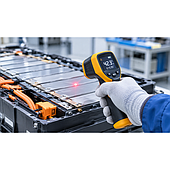
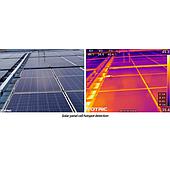
A thermal imager cannot see through walls, glass, or metal. It displays infrared radiation associated with the temperatures of surfaces it can detect, rather than producing an X-ray-like view behind solid materials.
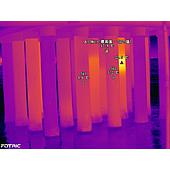
A thermal imager can, however, work in darkness and show meaningful temperature differences on a surface. This makes it useful for observing thermal patterns, such as indications associated with moisture penetration or missing insulation in building inspections.
Summary: Thermal imaging works without visible light because objects above absolute zero emit infrared energy. Walls, glass, and smooth metal block or reflect infrared radiation. Surface temperature patterns can still help identify areas that merit further investigation.
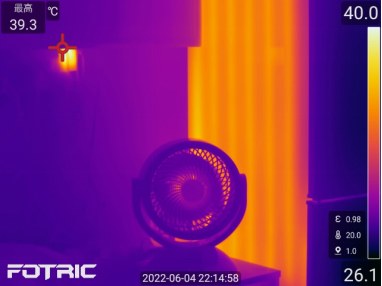
Can a thermal imager see in the dark?
Yes. A thermal imager detects emitted infrared energy, so it does not rely on visible light in the way an ordinary camera does. It can therefore show heat-related contrast in dark conditions when objects differ in temperature from their surroundings.
Every object above absolute zero, -273.15°C, emits infrared energy as a function of its temperature. The imager collects this radiation through its infrared window, converts it into an electrical signal at the detector, and processes that signal into a visible thermal image.
How small a temperature difference can be displayed depends on detector sensitivity. A thermal image should be interpreted as a representation of detected thermal radiation and temperature contrast, not as a conventional visible-light photograph.
Can a thermal imager see through walls, concrete, or rock?
No. A thermal imager cannot view the interior behind a wall, concrete, or rock. It detects the temperature pattern of the accessible surface and the visible geometry of that surface.
That surface pattern may still provide useful clues when something within or behind a wall produces a notable temperature difference. In building maintenance, this can support non-destructive investigation of conditions associated with moisture penetration or missing insulation.
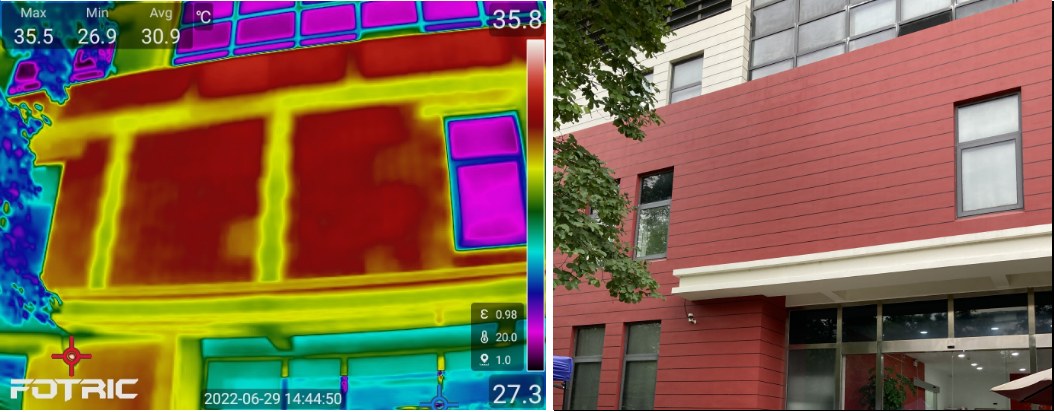
Why can thermal imaging indicate a wall issue without seeing through the wall?
Thermal imaging can reveal an area on the wall surface that is warmer or cooler than nearby areas. This contrast may point to a location for closer assessment, but it does not reveal the full condition inside the wall.
For example, moisture penetration and missing insulation are cited applications because they can cause notable surface temperature differences. The image identifies a thermal pattern; additional inspection is needed to determine the underlying cause.
Can a thermal imager see through glass?
No. When pointed at a window, a thermal imager may show reflected infrared radiation from surrounding objects instead of objects on the other side of the glass. In this respect, glass can behave like a mirror for infrared radiation.
This reflection can make a thermal reading or image of a window misleading if it is interpreted as a view through the glass. The observed pattern may be influenced by the environment around the camera and the glass surface.
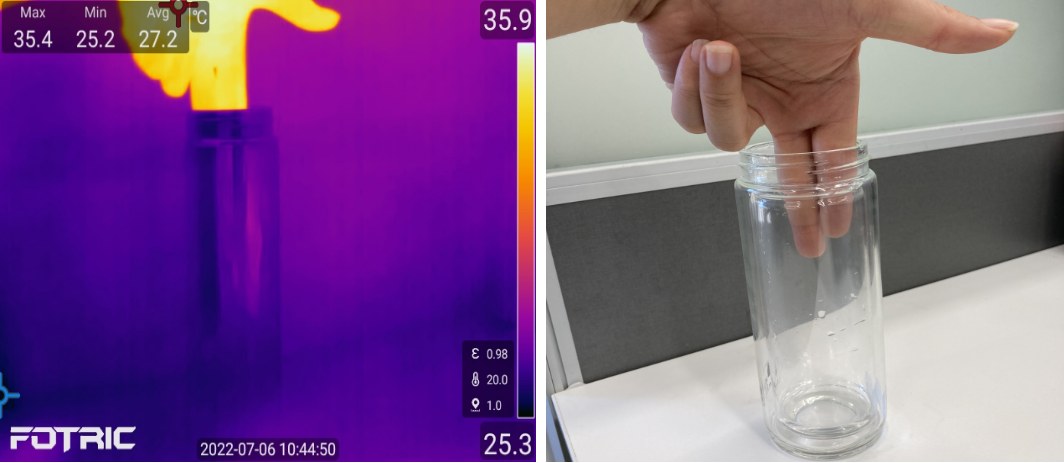
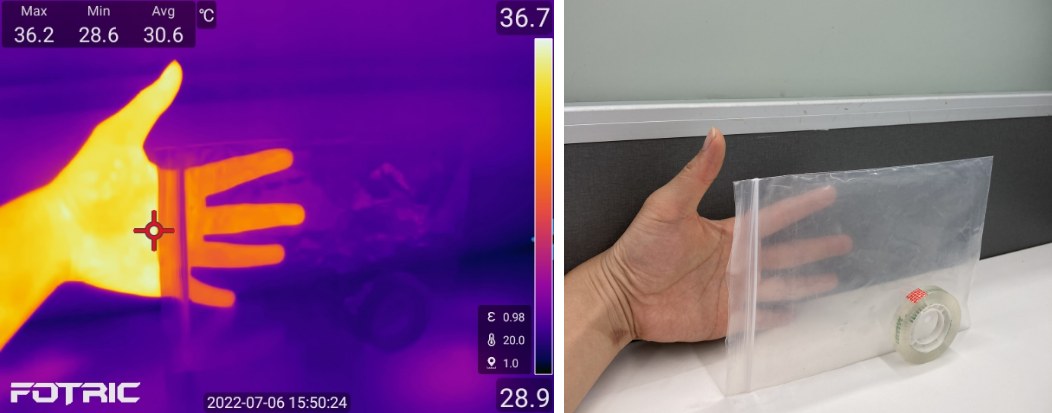
Can a thermal imager see through plastic?
It depends on the plastic and its thickness. The source material indicates that many thin plastics can allow infrared radiation to pass, while thicker plastics can block it.
Because the result varies with the material, plastic should not be treated as uniformly transparent or opaque to a thermal imager. A practical observation should account for the specific plastic barrier being examined.
Can a thermal imager see through metal?
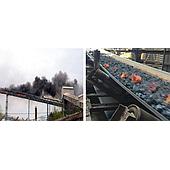
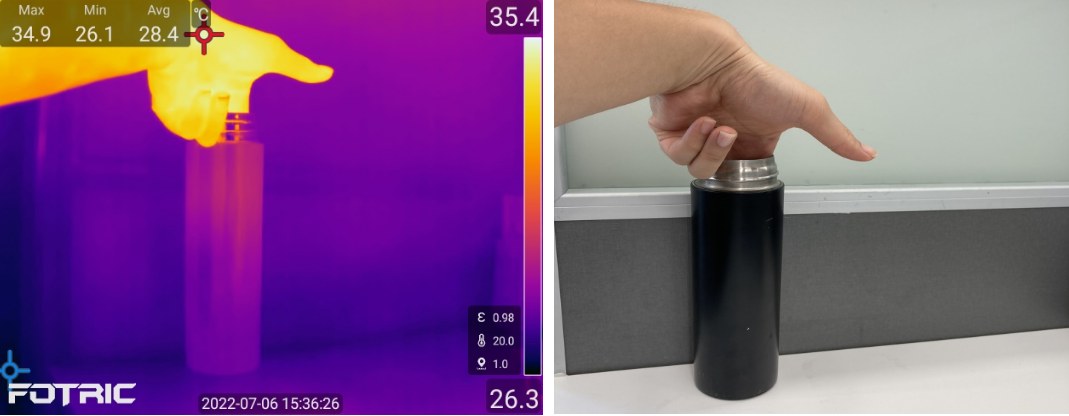
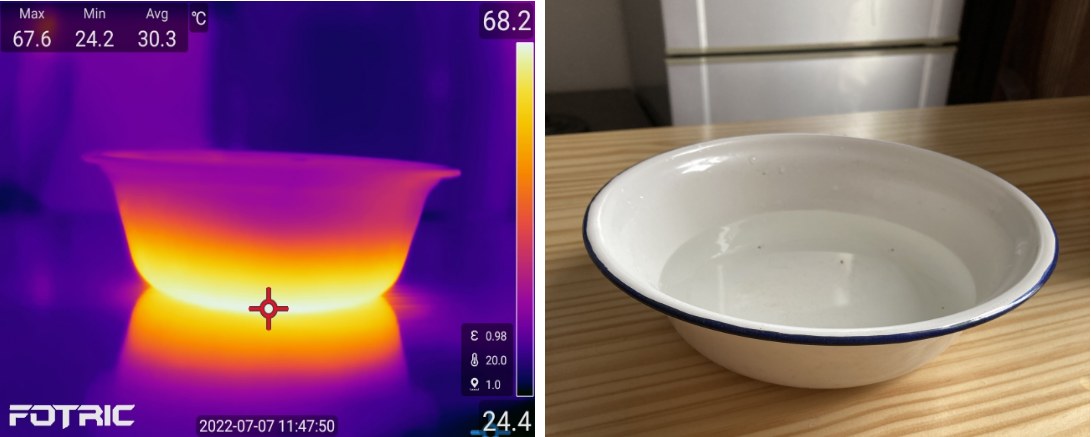
No. Smooth metal can reflect infrared radiation from surrounding objects, similarly to glass. This can make direct observation of a metal surface difficult, particularly when assessing pipes or machinery for overheating areas.
Metal's thermal conductivity can nonetheless produce observable hot spots, cold spots, or patterns associated with liquid level in a metal container. These observations concern thermal behavior at the detectable surface, not a direct view through the metal.
| Material or condition | What the thermal imager can show | Key limitation |
|---|---|---|
| Dark environment | Heat-related contrast from emitted infrared energy | Image contrast depends on temperature differences and detector sensitivity |
| Wall, concrete, or rock | Surface temperature patterns | Does not show the interior behind the structure |
| Glass | Reflected infrared radiation from surroundings | Does not provide a direct view through the glass |
| Thin or thick plastic | Infrared transmission may occur with many thin plastics | Thicker plastic can block infrared radiation |
| Smooth metal | Surface thermal patterns, including hot or cold spots | Reflection can complicate surface observation; it does not see through metal |
Can a thermal imager detect overheating on reflective metal?
It can be challenging to assess overheating directly on smooth, reflective metal because surrounding infrared radiation may be reflected by the surface. The source notes that a material with low reflectivity and high thermal conductivity may be applied to the metal surface to aid monitoring.
This approach addresses the reflective surface rather than allowing the imager to see through the metal. Care is needed when interpreting images of polished metal because reflections can resemble temperature features.
Can a thermal imager see ghosts?
No. A thermal camera measures infrared radiation associated with temperature and displays thermal differences; it is not a tool for detecting ghosts or other claims not based on measurable thermal radiation.
Its relevant capability is identifying temperature-related patterns in accessible surfaces and objects. The meaning of any pattern should be evaluated from the physical conditions of the scene rather than assumptions drawn from fictional portrayals.