The global energy transition trend is driving industrial plants, chemical facilities, and renewable energy sites to integrate hydrogen as a strategic fuel source to reduce the greenhouse effect. However, the transportation and storage of this gas pose severe challenges to M&E infrastructure, as most traditional mechanical pressure gauges quickly decline in lifespan and trigger dangerous incidents when exposed directly to hydrogen environments.
What Is Hydrogen?
Hydrogen (H2) exists as a colorless, odorless, and tasteless gas under ambient conditions. It is establishing its position as a core clean energy source in the global transition due to its outstanding gravimetric energy density—nearly three times higher than that of conventional gasoline. This advantage makes hydrogen an ideal fuel solution for heavy industry, heavy-duty transport, and aviation, which are sectors difficult to electrify with conventional batteries.
Importantly, when utilized in combustion chambers or fuel cells, hydrogen's energy release process yields water vapor as its sole byproduct, completely eliminating CO2 emissions and fine particulate matter. Thanks to its flexible storage capabilities in compressed or liquid forms, green hydrogen also helps absorb surplus electricity from renewable sources such as wind or solar power to regenerate power when needed, thoroughly solving grid imbalance challenges and advancing toward net-zero emissions goals.
Hydrogen Embrittlement in Mechanical Structural Materials
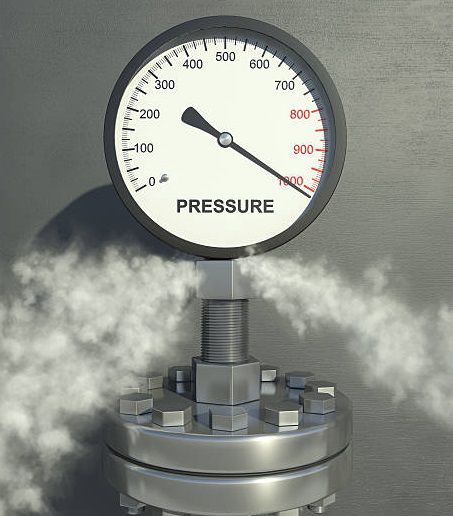
The primary reason standard pressure gauges fail to operate in hydrogen systems lies in the atomic physics of this element. Hydrogen possesses the smallest atomic and molecular size in the periodic table, allowing free hydrogen atoms to easily diffuse deep into the crystal lattice of common metals such as brass, carbon steel, or lower-grade stainless steels typically used for Bourdon tubes.
When these atoms accumulate at stress concentration zones within the metallic structure, they severely degrade ductility and induce internal stress cracking—a phenomenon known as hydrogen embrittlement. Under the continuous impact of operating pressure, the Bourdon tube or internal welded joints of a mechanical gauge can rupture abruptly without prior warning.
Molecular Permeation and Micro-Leakage Challenges
Beyond the structural destruction of metallic materials, the ultra-small molecular size of hydrogen creates leakage risks across non-metallic sealing points. Standard O-rings, synthetic rubber gaskets, or thread-locking sealants used in industrial pressure gauges are incapable of fully preventing hydrogen molecules from diffusing through microscopic gaps.
Over time, hydrogen gas continuously leaks through sealing surfaces, causing system pressure loss and accumulating to dangerous concentration levels within enclosed engineering cabinets. This presents a severe explosion hazard due to hydrogen's extremely wide flammability limit in air.
Catalytic Reactions and Explosion Hazards from Residual Oil and Grease
Standard pressure gauge manufacturing processes rely on machining oils, lubricants, or maintenance grease to clean and operate internal moving gear components. When exposed to high-pressure hydrogen gas, these hydrocarbon compounds can trigger strong oxidation reactions or explode when encountering minor heat sources generated by mechanical friction. Consequently, standard measuring instruments that are not thoroughly cleaned of oil and grease fail to meet the minimum explosion-proof safety requirements for hydrogen energy systems.
Technical Material Requirements for Specialized Hydrogen Systems
To thoroughly mitigate these technical risks, hydrogen-utilizing facilities must completely phase out legacy equipment and replace it with pressure gauges manufactured from specialized alloys. The measuring tube and sensor diaphragm structures must utilize high-nickel stainless steels (such as high-nickel 316L stainless steel, Monel, or Inconel alloys) to resist hydrogen atom diffusion. Concurrently, all components must undergo deep degreasing processes and employ metallic or virgin PTFE sealing systems to completely prevent molecular leakage.