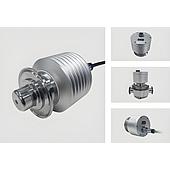
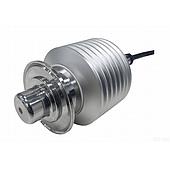
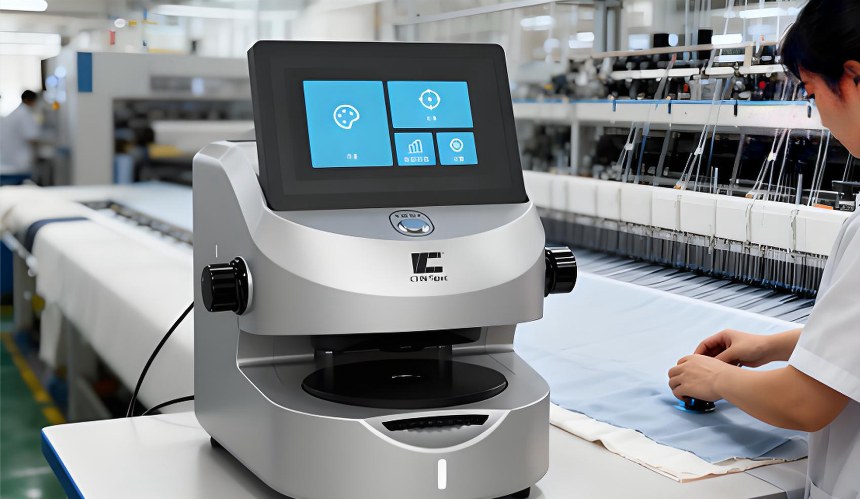
Outdoor fabric development increasingly involves more than a single UPF result. Teams may need to review ultraviolet performance alongside blue-light-related design goals, while also preserving the lightweight and breathable qualities expected in outdoor apparel. The CHNSpec UPF Analyzer is presented as a testing tool for collecting transmittance data that can help make these development decisions more measurable.
For product developers, the value of this approach is not simply producing another test result. It is creating a clearer basis for comparing fabric constructions, formulations, and processing options. When protection targets are considered early, teams can evaluate trade-offs before adding unnecessary layers or changing a fabric's intended feel.
Why dual-protection fabric assessment matters
Outdoor conditions can involve strong sunlight, reflected light from snow or ice, and frequent use of navigation devices during hiking. These scenarios have increased interest in fabrics that address both UV exposure and blue-light-related considerations. A fabric intended for outdoor use must also remain suitable for its application, rather than prioritizing one performance target at the expense of comfort.
Traditional fabric assessments have often focused on UV protection and UPF values. According to the supplied product information, conventional equipment may be limited to the 250–420 nm UV range, making it more difficult to assess the 400–500 nm blue-light range within the same workflow. Separate measurements can also slow comparison when a development team needs to consider multiple protection objectives together.
A broader testing view can support more structured product development. Instead of relying only on repeated formulation changes and subjective judgement, R&D teams can use measured transmittance information to identify which options warrant further evaluation.
CHNSpec UPF Analyzer testing scope
The CHNSpec UPF Analyzer is described as covering the 250–420 nm UV range and the 400–500 nm blue-light range. It is intended to capture transmittance data for UVA, UVB, and blue light in one testing process. For developers of functional outdoor textiles, this can provide a common data set for reviewing dual-protection objectives.
Compare UV and blue-light results together
Reviewing multiple bands together may help teams see whether a change made to improve one target affects another. This is relevant when evaluating fabric formulations or protective treatments, because a development decision should be considered in the context of the overall fabric design. The objective is not only to pursue protection-related results, but also to retain appropriate lightness and breathability for the planned garment or outdoor product.
Use refined data in material selection
The supplied information describes the analyzer as providing refined, high-resolution data. In practice, detailed output can give R&D teams a more consistent way to compare candidate solutions. It can support discussions between material, design, and quality teams by making protection-related observations easier to document and review throughout development.
Considering durability during outdoor fabric development
Outdoor textiles may be exposed to washing, friction, and changes in temperature over their service life. The CHNSpec UPF Analyzer is presented as supporting scenario-based simulation testing for these conditions, with ongoing tracking of UV and blue-light protection changes at different stages of degradation.
Such testing can be useful when durability is part of the development brief. Rather than evaluating only a new fabric sample, teams can compare results after selected wear-related conditions and use the findings to guide process or material adjustments. This helps place initial protection data in a broader product-use context.
A data-led workflow for functional fabrics
Developing outdoor functional fabrics requires coordination among materials, garment design, and performance testing. The CHNSpec UPF Analyzer can serve as one source of measurement data within that workflow. Its stated UV and blue-light coverage, together with durability-focused evaluation, can help teams organize testing around the protection goals relevant to a specific product.
Testing results should be interpreted alongside the fabric's intended use, construction, comfort requirements, and internal quality criteria. With that balanced approach, developers can make more informed decisions as they work toward outdoor fabrics that combine practical wearability with defined UV and blue-light performance objectives.