
Some types of stainless steel can be hardened through heat treatment such as annealing or quenching. Specifically, 304 stainless steel has a hardness of about 92 HRB, 201 and 316 stainless steel are both at 95 HRB, and 430 stainless steel is about 89 HRB.
In production and construction, stainless steel types such as 304, 201, 316 or 430 are very commonly used thanks to their high durability and good corrosion resistance. Hardness is an important factor that affects the processing and application of each type of stainless steel. Join EMIN to learn more about the hardness of each type of stainless steel and how to compare them with steel in the detailed article below.
What is the hardness of stainless steel?
Simply put, the hardness of stainless steel is the ability to resist deformation or scratches when other objects impact the surface. Depending on the manufacturing method and alloy composition, each type of stainless steel will have a different hardness.
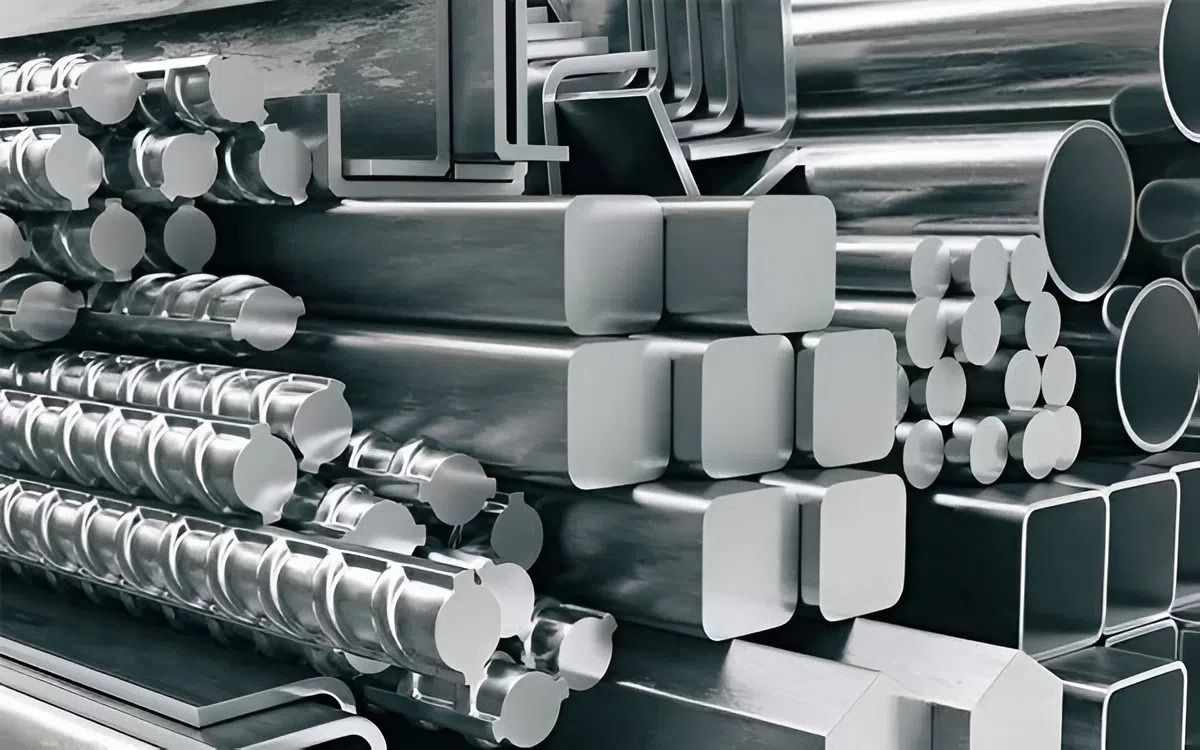
Stainless steel hardness is determined by many methods such as Vickers (HV), Brinell (HB), Rockwell (HRC), Mohs or Knoop (HK). Each method has its own advantages, suitable for each type of material and testing purpose.
For example, the Austenitic stainless steel group (such as 304 and 316) generally has lower hardness than the Martensitic group (such as 410 and 420) due to differences in crystal structure and alloy composition. However, the hardness of stainless steel can still be improved through processing such as quenching, tempering, carburizing or machining, helping to meet the requirements of each specific application.
Related Articles:
Surface Hardness Test With Novotest Technology
Which handheld metal hardness tester is good?
Comparison of hardness between steel and stainless steel
Steel and stainless steel are both familiar metals in production and life, but their hardness has a clear difference due to the composition and manufacturing method. Steel is mainly made of iron and carbon, while stainless steel (stainless steel) in addition to iron and carbon also contains chromium, nickel, and sometimes molybdenum, titanium or vanadium. It is chromium that makes stainless steel more rust-resistant and durable than ordinary steel.
Both materials undergo several manufacturing processes such as hot rolling, cold rolling, forging or heat treatment, which directly affect the final hardness. Low carbon steel is usually softer, while high carbon steel and stainless steel have greater hardness. In some special types of stainless steel that are heat treated or alloyed, the hardness can even reach or exceed high carbon steel.
Thanks to this diversity, both steel and stainless steel can be flexibly selected depending on the purpose of use, prioritizing mechanical strength, corrosion resistance, or ease of processing.
What is the hardness of 304 stainless steel HRC?
Stainless steel 304 is a very popular type of stainless steel due to its good corrosion resistance, low electrical and thermal conductivity, low magnetism and beautiful bright surface. This type of stainless steel is often used in industries such as food, medicine, construction or manufacturing industry.
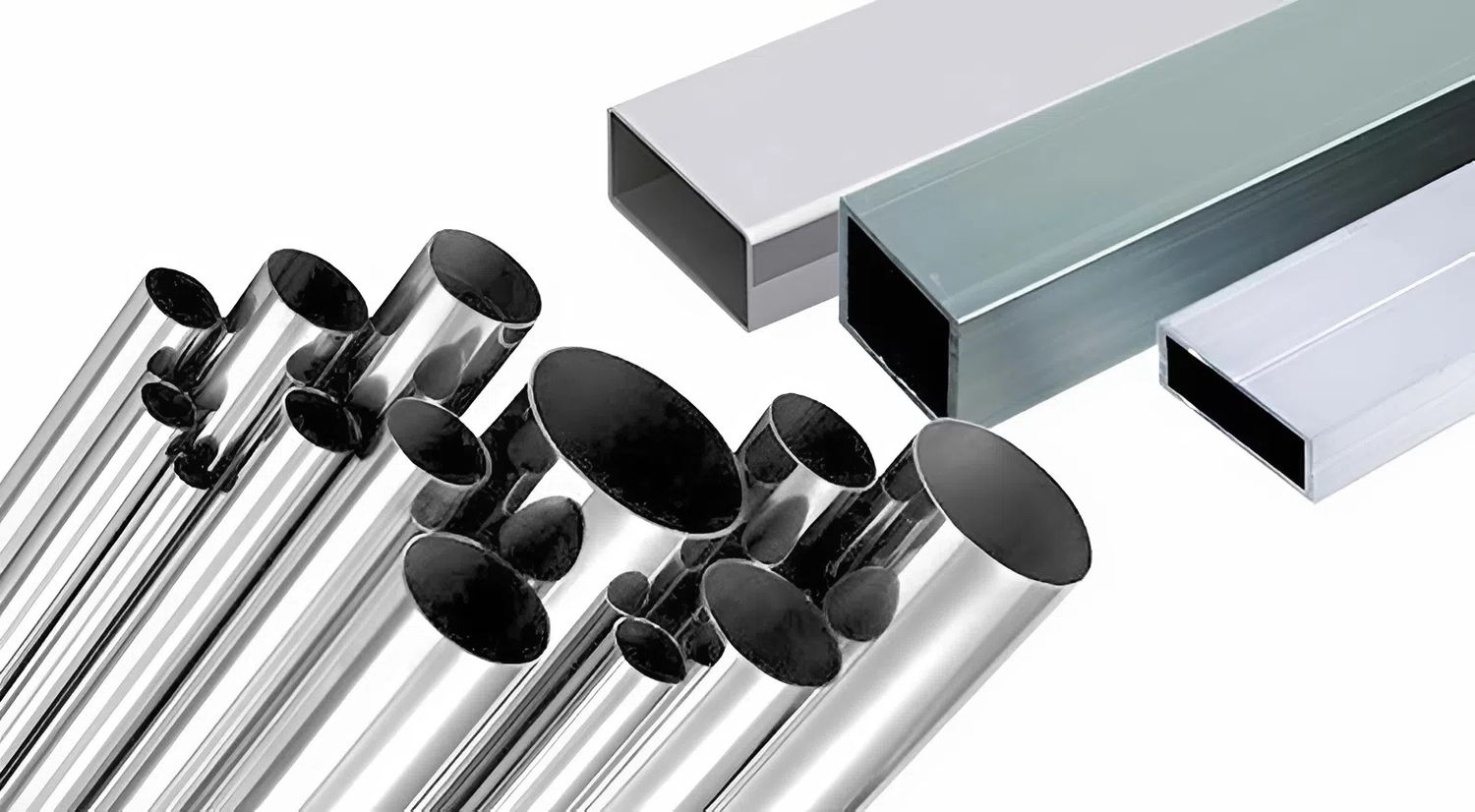
In fact, stainless steel 304 is not measured by the HRC scale (Rockwell C) but by the HRB scale (Rockwell B), because its strength and abrasion resistance are lower than harder stainless steels. Normally, the hardness of stainless steel 304 ranges from 70-90 HRB, depending on the composition and processing and heat treatment of the material.
What is the hardness of 201 stainless steel in HRC?
Also belonging to the Austenitic stainless steel group like inox 304, inox 201 has the characteristics of being flexible, easy to shape and non-magnetic. Instead of measuring by HRC scale, this type of stainless steel is also evaluated by HRB scale for more accurate results
The hardness of inox 201 is usually in the range of 75-95 HRB, which can vary slightly depending on the rolling or heat treatment method. With the advantages of reasonable price and good machinability, inox 201 is widely used in the production of household appliances, interior decoration and light industrial equipment.
What is the hardness HRC of stainless steel 316?
Similar to 304 and 201 stainless steel, 316 stainless steel is also measured by the HRB scale. This is a higher grade stainless steel, known for its superior corrosion resistance, especially in environments with chemicals or seawater.
The hardness of 316 stainless steel usually ranges from 75-95 HRB. Although it is possible to increase the hardness through heat treatment, plating or nitriding, this change is not too large. 316 stainless steel is widely used in the chemical, oil and gas, medical equipment and construction industries, where high durability and rust resistance are required.
To accurately measure the hardness of stainless steel, you should use specialized and modern measuring equipment. Some reliable options that EMIN suggests include: handheld hardness tester HM-6560 or RHL-10, these are suitable devices for both laboratory and construction site.
See more at: EMIN hardness tester
Hopefully this article has helped you better understand the hardness of stainless steel 304. If you have any questions or need advice on suitable measuring equipment, please contact EMIN for the fastest and most detailed support.




