What is a starter?
Surely you know that contactors are popular devices in many industries today thanks to their flexibility and ease of installation in electrical cabinets or panels. The ability to connect well with other devices and high stability make it a choice for users in the electrical system. With the function of remote switching and protection against electrical overload, contactors play an indispensable role in the electrical systems of factories or workshops. However, when there is a problem, repairing this device is not always simple. So what is the cause of the problem and how to fix it?
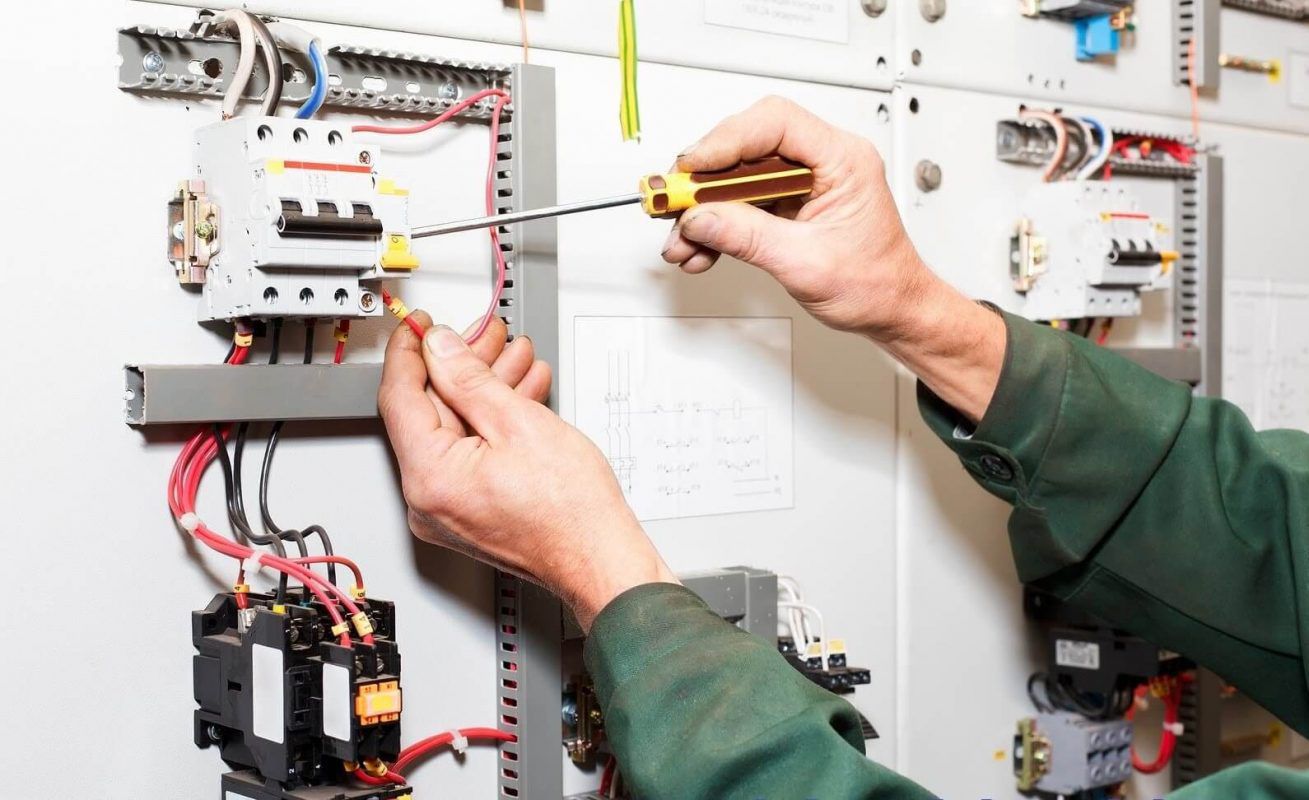
Starter power supply interrupted
The power supply plays a role in ensuring that the starter operates optimally, meeting the needs of the user. Therefore, manufacturers always pay attention to the quality of the power supply for this device. When the power supply has a problem, the starter can operate slowly, unstably and is difficult to control the opening and closing. At this time, the user needs to check if there are any obstacles on the power supply side, and at the same time ensure that the input current is correct with the required capacity of the device.
Another reason for the power supply interruption may be that you do not regularly check and maintain the equipment, leading to unstable power supply, reducing the performance of the starter. To fix this, you should choose a more suitable installation location, periodically check the power supply at EMIN to ensure stable current, helping the starter operate faster and more effectively.
Specifically, the structure and operation of the Contactor, please see immediately at: Structure, operation and common features of the Contactor
Damaged control buttons during use
Improper use can cause the button to break, causing trouble during the operation of the device. To avoid this situation, you should be gentle when operating, do not press the control button too hard. In case the button is broken, you need to disconnect the power from the starter, then use protective equipment to check and adjust. If the damage is too serious, replacing the button will be the best solution.
Contacts are rusty due to long-term use.
The contacts may rust after a long period of use, affecting the performance of the device. To fix this problem, you need to carefully check the level of rust before replacing it. Use testing equipment to determine whether the contacts are still energized, then use supporting tools to disassemble and replace them with new contacts. Timely replacement will help the starter operate more stably and efficiently, ensuring smooth operation of the electrical system.
Stuck while using
When the device shows signs of being stuck, check to see if there is any strange sound when connecting, or if there is a problem with the wiring or other electrical devices in the system. After determining the cause, the connections should be adjusted accordingly.
What to note when using a starter

- First of all, avoid continuous use for a long time to avoid interruption to the device.
- Installation should also be done in suitable locations, avoiding environments with too high or too hot temperatures, as this may affect performance.
- Placing the device in an electrical cabinet is a good choice to ensure safe and effective connection.