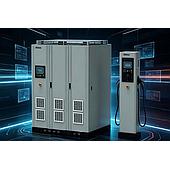
EV charging pile safety testing evaluates key electrical risks associated with high-voltage, high-power charging equipment. The core areas described in the source are withstand voltage, insulation, grounding, and leakage testing across relevant input and output circuits.
Testing scope can expand with AC and DC charging configurations, higher-power conditions, and the need to retain reliable test records. A test process therefore needs to match the charger interfaces, required load conditions, and data-traceability workflow.
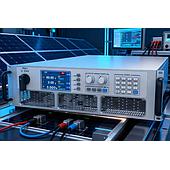
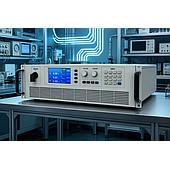
Summary: Charging pile tests address electric-shock and short-circuit or fire-related risks. Key checks include voltage withstand, insulation, grounding, and leakage. The source describes AN1651TH-60(F)CP as covering nine major test areas and supporting MES connection.
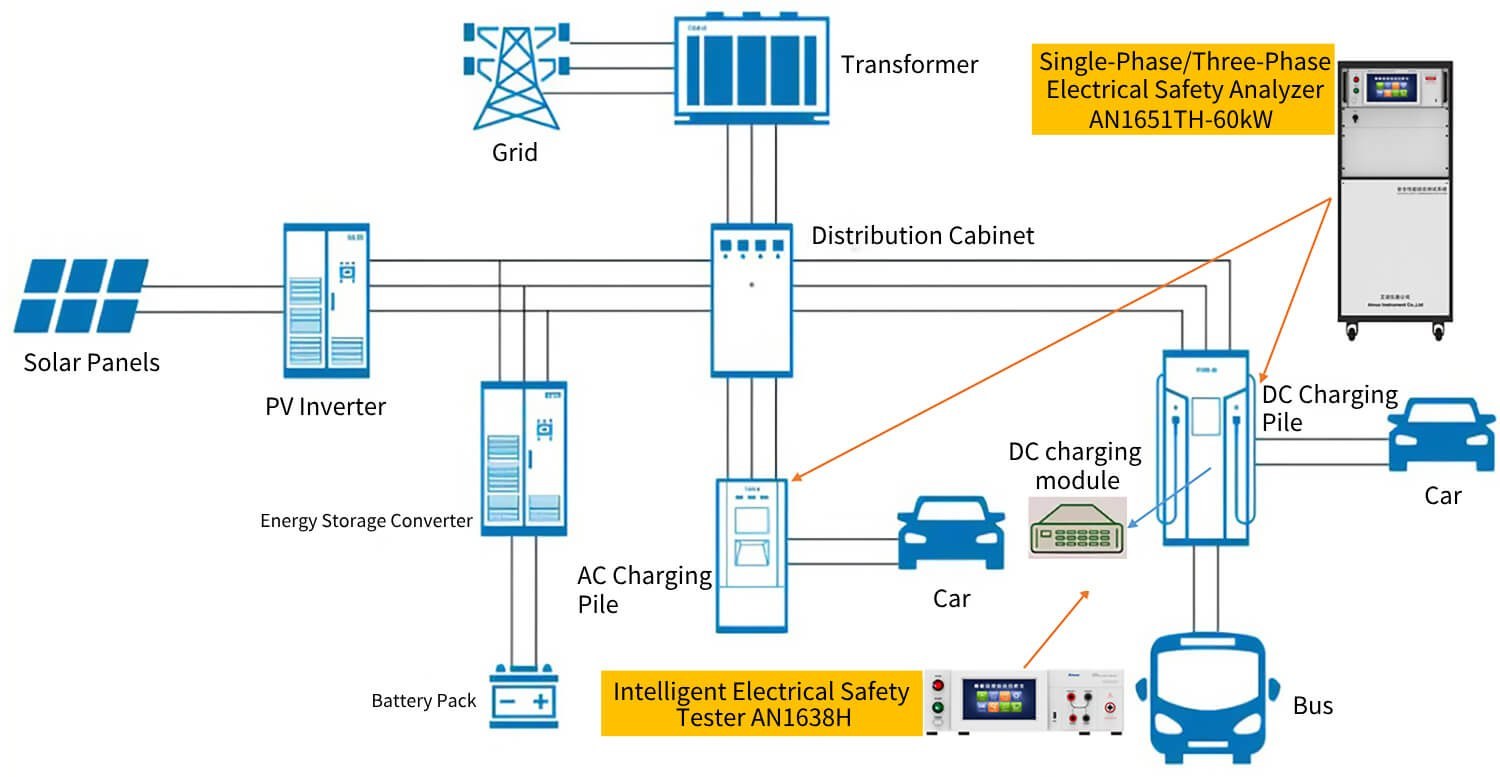
Why is EV charging pile safety testing necessary?
EV charging pile safety testing is necessary because charging piles are high-voltage, high-power devices with electrical risks throughout their lifecycle. The source identifies electric shock related to leakage or insulation failure, plus short-circuit or fire risk where voltage resistance is insufficient.
These risks make it important to assess more than one electrical characteristic. Testing needs may differ depending on whether the circuit is the power input, AC output, or DC output.
Which electrical checks are included in charging pile safety testing?
The basic checks identified for charging piles are withstand voltage, insulation, grounding, and leakage. The stated testing scope also includes relationships between input, AC output, DC output, and the charger enclosure.
| Test area | Scope described in the source |
|---|---|
| Power input | AC withstand voltage and insulation resistance |
| AC output | AC withstand voltage and insulation resistance |
| DC output | DC withstand voltage and insulation resistance |
| Between circuits | Withstand voltage and insulation among power input, AC output, and DC output |
| Grounding | Grounding between power input, AC output, DC output, and shell |
| Leakage | Dynamic leakage current at the charging pile input |
What makes charging pile electrical safety testing more complex?
Charging pile electrical safety testing becomes more complex when a test must cover both input and output ends, AC and DC charging piles, and high-power dynamic leakage. The source also notes demanding equipment-compatibility requirements across ratings from single-phase 20 kW to three-phase 90 kW.
Another stated requirement is simulation of extreme conditions, including testing at 1.1 times rated voltage and multiple fault modes. These conditions affect the choice of test power and the method used for a specific charger rating.
How is dynamic leakage current evaluated for different power levels?
The source states that dynamic leakage current testing is performed at the charging pile input. For charging piles within 90 kW, a load leakage current test can be performed; for ultra-high-power units, it states that a leakage meter test can be used.
This distinction indicates that leakage verification should be selected according to the charging pile's power level rather than treated as a single identical procedure for every unit.
What power configurations are described for charging pile tests?
The described comprehensive electrical safety tester can provide charging-pile input power specifications of single-phase 20 kW and three-phase 60 kW or 90 kW. The source specifies an external power supply for higher-power requirements.
It also describes single-phase or three-phase feedback RGL AC variable-frequency power supplied to the charging pile input. This setup is stated to support feedback load testing from 60 kW to 1000 kW under full-load conditions at 1.1 times rated voltage.
How can charging pile test data be made traceable?
Charging pile test data can be made traceable by connecting test records to an MES system, according to the source. This addresses the stated limitations of manual records, which may be inefficient and prone to errors.
The described setup includes a special test switching device and supports MES connection. A barcode gun and ESRS system are listed as optional components, so their use depends on the selected configuration.
What does the source state about AN1651TH-60(F)CP?
The source presents AN1651TH-60(F)CP as a charging pile safety test solution covering nine major test areas, including input/output withstand voltage, insulation, ground resistance, and leakage-related testing. It also describes support for test switching and MES connectivity.
A separate concluding reference in the source names AN1651TH-60 (F) as a three-phase electrical safety tester. Because the supplied material uses both model expressions, the exact applicable configuration should be confirmed against the required charging-pile test scope.