Although Surface Roughness Tester are designed for industrial environments, they remain highly precise optical instruments. Over time, dust, solvent vapors, fingerprints, and improper storage practices can all affect measurement accuracy and lead to inconsistent results.
Why Are Gloss Meters Sensitive to Dust and Contamination ?
A gloss meter works by projecting a beam of light onto a surface at a specified angle and measuring the amount of reflected light. The accuracy of this process depends heavily on the cleanliness of the instrument’s optical system.
When dust accumulates on the optical window or light sensor, the intensity of the reflected signal may change. As a result, the displayed gloss value may no longer accurately represent the actual characteristics of the coating being tested.
In paint manufacturing environments, the risk of contamination is even greater due to the presence of paint particles, solvent vapors, and airborne materials. These contaminants gradually build up over time and can directly affect the stability and repeatability of measurements.
Proper Cleaning Procedures for Paint Gloss Meters
Pay Special Attention to the Optical Area
The most critical part of the instrument is the optical window located on the bottom of the meter. This is where light is emitted and received during the measurement process.
When dust or dirt is present, use a soft lint-free cloth or a cleaning wipe specifically designed for optical equipment to gently clean the surface. Ordinary paper towels or abrasive materials can create fine scratches on the protective lens.
Although these scratches may be difficult to see with the naked eye, they can still affect light transmission and signal detection.
Avoid Harsh Cleaning Chemicals
Industrial solvents should not be used for routine cleaning, as they may damage protective coatings and plastic components.
For stubborn stains, use a dedicated optical cleaning solution or a small amount of isopropyl alcohol applied to a soft cloth. Cleaning liquids should never be poured directly onto the instrument to prevent moisture from entering the housing.
Clean the Calibration Standard Regularly
Most surface gloss meter are supplied with a calibration standard used during the calibration process.
The calibration standard is just as important as the instrument itself. If dust, contamination, or scratches are present on the standard, calibration errors may occur and affect all subsequent measurements.
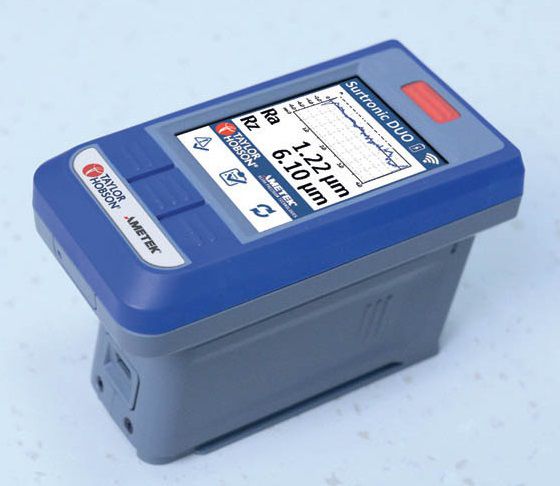
Common Mistakes During Daily Use
One common mistake is placing the instrument directly on metal workbenches, machined surfaces, or areas containing abrasive dust. Since the optical system is typically located on the bottom of the meter, contact with hard surfaces can easily cause scratches.
Another frequent issue is handling the instrument with hands contaminated by oil, grease, or chemicals. Fingerprints left on the measurement area can interfere with optical performance if they are not removed promptly.
Failure to perform regular calibration is also a common source of measurement error. Instrument drift may develop gradually and remain unnoticed until abnormal readings begin to appear.
Storing a Gloss Meter in Production Environments
Avoid Excessive Heat and Humidity
Although most modern gloss meters are designed for industrial applications, temperature and humidity should still be controlled.
The instrument should not be stored near paint-curing ovens, heat sources, or areas exposed to direct sunlight for extended periods. High temperatures can affect electronic components and reduce the stability of optical sensors.
Excessive humidity may also increase the risk of moisture condensation inside the instrument if storage conditions are not properly managed.
Use the Protective Carrying Case
After use, the gloss meter should be stored in the protective case supplied by the manufacturer.
A dedicated carrying case helps protect the instrument from dust, mechanical impact, and environmental exposure. For companies that frequently transport equipment between production areas or job sites, proper storage in a protective case is highly recommended.
Perform Periodic Calibration Checks
Proper cleaning alone does not guarantee long-term measurement accuracy.
Gloss meters should be checked and calibrated according to the manufacturer's recommendations or the quality management procedures established by the organization.
For QC laboratories and production facilities that use gloss meters daily, periodic calibration checks help identify potential measurement drift early and reduce the risk of inaccurate product evaluations.
Proper Maintenance Helps Ensure Reliable Measurement Results
In industries such as industrial coatings, automotive manufacturing, furniture production, and household appliances, gloss values are often used as official quality indicators. When a gloss meter no longer maintains its accuracy, the reliability of inspection data can be compromised.
The cost of routine cleaning and proper storage is minimal compared to the potential losses associated with production decisions based on inaccurate measurement data.
A gloss meter that is maintained correctly not only lasts longer but also helps ensure consistent quality control performance over time.
A paint gloss meter is a high-precision optical instrument that requires cleaning procedures, storing the instrument under suitable environmental conditions, and performing regular calibration checks will help maintain long-term stability and ensure that gloss measurements accurately reflect the quality of the painted surface being evaluated.