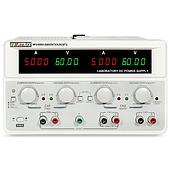
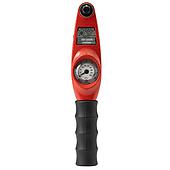
The GT-LB06A Chair Front Stability Testing Machine is used to evaluate a chair’s forward stability by reproducing a controlled loading arrangement. A consistent setup is essential: the loading point, chair position, loading pad, C-buckle, chain, and weights must all be aligned before the test begins. This helps the operator observe whether the chair remains stable or tends to tilt under the described test force.
This operating overview is intended for furniture quality-control teams and test operators working with the GT-LB06A Chair Front Stability Testing Machine. Follow the applicable test procedure for the chair being evaluated and confirm that the machine, test components, and chair are in suitable condition before use.
Purpose of chair front stability testing
Forward stability is an important consideration in chair evaluation. When a chair tilts or tips during use, it may present a safety concern for the user and indicate that further assessment of the chair’s design or construction is needed. A controlled stability test provides a repeatable way to examine the chair’s response at a defined loading point.
The GT-LB06A Chair Front Stability Testing Machine is described as simulating forces a chair may encounter during normal use. During testing, the operator applies the specified arrangement and observes the chair’s behavior. The result should be recorded according to the testing process used by the laboratory or manufacturer.
Prepare the machine and test area
Begin by connecting the Chair Front Stability Testing Machine to a suitable power supply and switching it on. Before moving or attaching any test components, check that the work area is clear and that the chair can be positioned without obstruction.
Prepare the chair to be tested. Identify the loading point and mark it 60 mm from the edge of the chair, as described for this operating method. This mark establishes the location for the loading pad and helps keep the subsequent loading arrangement consistent from one test to another.
Position and secure the chair
Fit the loading pad
Place the loading pad at the marked location on the chair. Align the center of the pad with the marked line so that the load is applied at the intended point. Secure the loading pad using string to reduce the possibility of movement while the test is being set up or performed.
Mount the chair on the tester
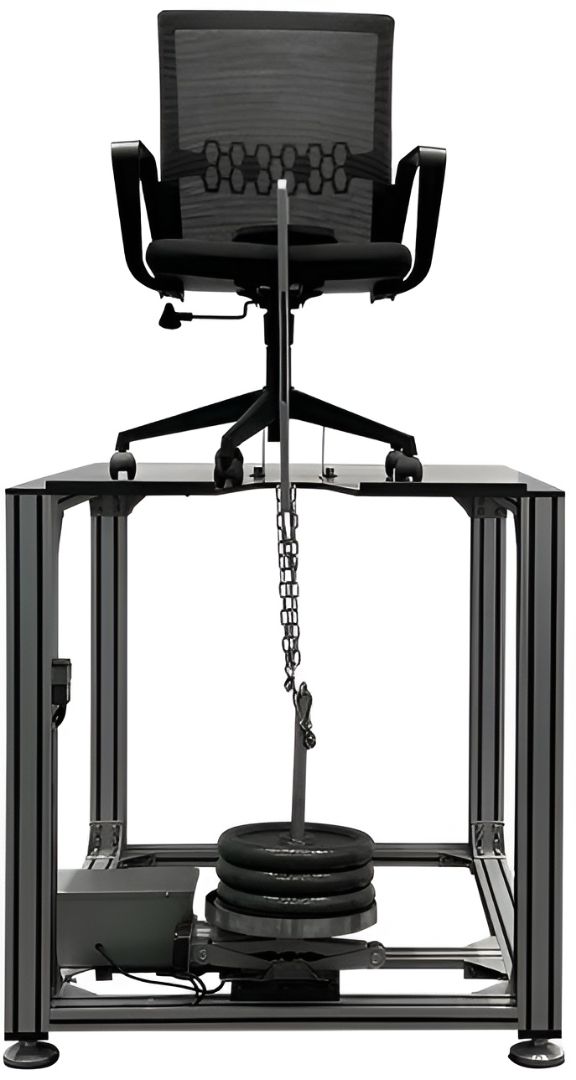
Install and fix the chair on the GT-LB06A Chair Front Stability Testing Machine. Confirm that the chair is stable in its mounted position. Align the chair’s center with the weights to be used in the test. Careful alignment is important because an off-center setup may affect the chair’s movement and make observations less consistent.
For chairs fitted with wheels, position the wheels close to the stopper. This arrangement is intended to limit unintended chair movement during the test.
Set up the loading components
Use the control to raise the weights to the required height. While the weights are rising, support them by hand to help prevent them from tipping. Handle the lifting operation carefully and do not proceed until the weights and associated components are stable.
Select the appropriate loading head from the C-buckle and install it securely. Then insert the C-buckle into the center hole of the loading pad. Attach a chain to the bottom of the C-buckle and connect its other end to the weights. The chain should have a suitable length for the arrangement so the components can operate as intended.
Before applying force, review the full assembly: the loading pad should remain centered on the mark, the C-buckle should be seated in the pad, and the chain should be connected to the weights. This final check helps identify positioning issues before the observation begins.
Conduct the front stability test
Carefully lower the weight disc so that it is disengaged from the weights. At the loading point on the chair, apply a horizontal force of 20 N, following the method described for this setup. Observe the chair throughout the force application.
Check whether the chair tilts. If tilting occurs, document the response and carry out any further evaluation required by the applicable testing procedure. The machine supports the test setup, but the interpretation and reporting of results should remain consistent with the requirements used for the product assessment.
Good operating practice
Repeatable chair testing depends on disciplined preparation rather than force application alone. Use the same 60 mm loading-point marking method, keep the loading pad centered, and verify that the chair and weights are aligned before each test. For wheeled chairs, ensure the wheels are close to the stopper as specified in the setup.
After testing, lower and secure the components before removing the chair. Inspect the loading pad, C-buckle, chain, and loading head for their condition before the next test. By using a consistent workflow with the Chair front swivel durability tester, furniture manufacturers and quality teams can assess front stability in a controlled manner and identify chairs that require additional review.