For full functionality of this site it is necessary to enable JavaScript.
EMIN.VN
0

In the laboratory, it is necessary to prepare toxic gas extraction equipment

2025年01月06日 09時27分27秒

Today, technology has contributed to significantly improving safety and efficiency in laboratory setups. From cleanroom management to smoke control, scientists can now easily maintain optimal working environments.

Typically, modern electronic sensors help monitor and maintain humidity in clean rooms with high accuracy, with only about 1% error. However, no matter how advanced the technology, when handling hazardous materials, working in an area with a chemical fume hood is still irreplaceable. So why is a fume hood important and what should you pay attention to when using it? Let's learn more about the essential role of this equipment and the basic principles to ensure safety during experiments.

The importance of fume hoods in the laboratory

Fume hoods play an essential role in protecting all laboratory personnel by removing toxic or hazardous vapors from work areas. An effective ventilation system is a key factor to ensure that polluted air is thoroughly treated, minimizing risks. Without a fume hood, employees can face serious harm, especially when working with specific materials such as during the 14C labeling process. Inhaling toxic gases is not only dangerous to your health, but also poses other potential threats such as fire, explosion, burns, or absorption of unwanted chemicals.
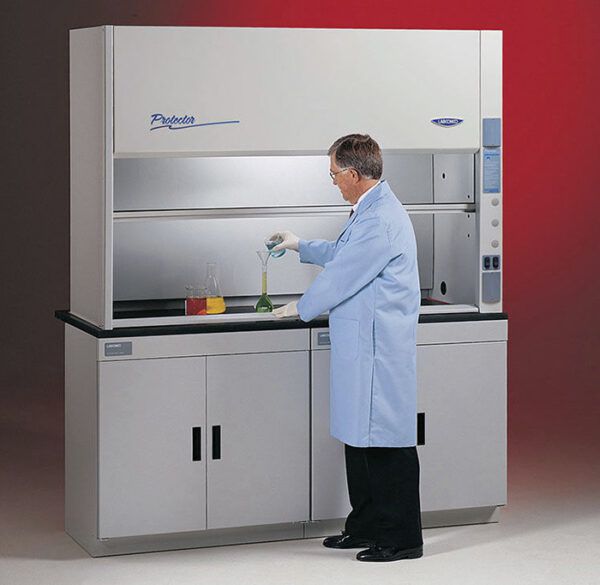
In particular, to meet GMP quality control standards, laboratories need to be equipped with toxic fume hoods before starting any activities. Fume hoods not only protect the health of employees but also ensure overall safety in the work environment, especially in API GMP manufacturing, where hazardous chemicals are frequently handled. Therefore, investing in a fume hood is absolutely necessary and worth considering for use in a lab working environment.

  • Refer to the lab fume hood product at: Fume hood

How to use a toxic fume hood effectively

When working with materials such as radioactive compounds, checking the fume hood before starting the experiment is indispensable. Ensuring the device is working properly helps protect users from potential risks. Note that fume hoods are designed to remove toxic gases, not to store chemicals or equipment. Storing these materials in a fume hood may cause unwanted risks. Instead, chemicals and tools should be stored properly in designated areas.
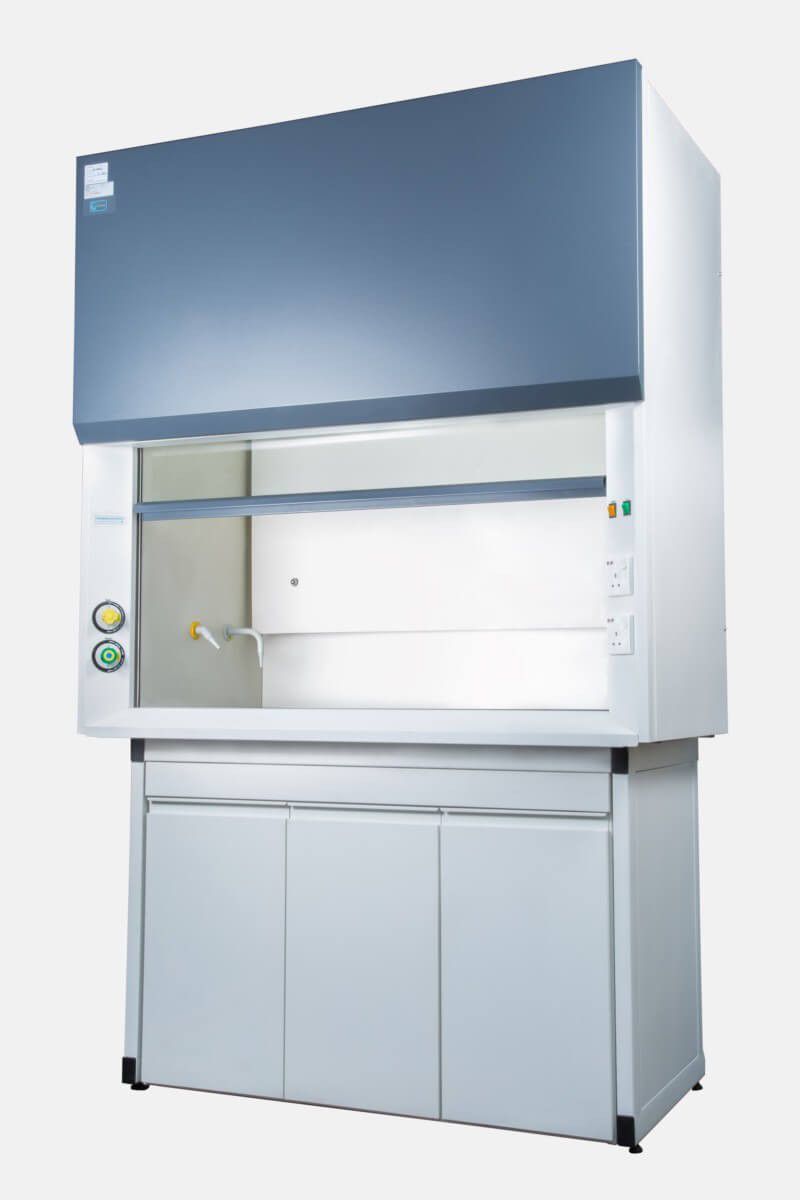
In addition, to ensure performance and safety, fume hoods need to be periodically inspected by experts to ensure full compliance with standards and technical guidelines. This not only helps the equipment operate optimally but also minimizes potential risks in the laboratory.

See more related articles: How to choose the right fume hood for the laboratory


相关新闻

What is the difference between oil-lubricated vacuum pumps and oil-free diaphragm pumps?
2026年07月17日 10時05分46秒

While both generate a vacuum, oil-lubricated pumps and oil-free diaphragm pumps differ significantly in their operating principles, advantages, and applications. Oil-lubricated pumps are typically chosen when a system requires a deep vacuum and strong suction power, whereas diaphragm pumps are preferred for laboratories, chemical processes, and environments where oil vapors must be avoided

Why is the vacuum pump making a loud noise? 6 common causes and how to fix them immediately
2026年07月17日 09時36分33秒

A vacuum pump making louder-than-normal noise often points to issues with the rotating assembly, vanes, pump oil, filters, or the intake piping. The specific sound produced helps narrow down the cause: a sustained whistling sound differs from the rattling inside the pump chamber or a heavy, grinding noise accompanied by strong vibration

Which Vacuum Pump Should You Choose for a Microbiology Lab to Avoid Affecting Samples?
2026年07月15日 14時45分07秒

Vacuum pumps are utilized in a wide range of microbiology laboratory procedures, from membrane filtration and the aspiration of supernatants following centrifugation to sample concentration and the support of negative-pressure systems. Selecting the appropriate pump not only ensures more stable operational processes but also minimizes the risk of sample contamination, reduces maintenance costs, and extends the equipment's lifespan

QCVN 25:2025/BKHCN Takes Effect: Do Businesses Need to Prepare Electrical Safety Testing Equipment?
2026年07月15日 09時15分04秒

Electrical safety is consistently one of the primary criteria evaluated before electrical or electronic equipment—or industrial components—are released to the market. A product may operate reliably yet still fail to meet requirements if its insulation lacks sufficient durability, its grounding resistance exceeds permissible limits, or leakage current occurs during operation.

获取优惠更新

获取专属批量折扣、批发价格更新和新产品通知,直接发送到您的邮箱。

订阅即表示您同意我们的服务条款隐私政策

快速支持

直接联系认证专家