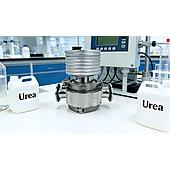
Monitoring the concentration of strong-acid solutions is an important measurement task in chemical processing. The environment can be demanding on instruments: liquid-contact materials must withstand corrosive media, while the measurement method must provide data suitable for ongoing process observation. When corrosion affects wetted components or optical surfaces, maintenance requirements and interruptions can become practical concerns for production teams.
An inline refractometer is one approach to concentration monitoring directly within a process. It uses the relationship between a solution's refractive index and its concentration. For applications involving aggressive solutions, evaluating material compatibility, installation conditions, and temperature effects is essential before selecting a measurement solution.
Challenges of strong-acid concentration monitoring
Strong-acid processes may expose instruments to media that can damage unsuitable materials over time. This can affect the reliability of wetted parts and may also influence the condition of the optical measurement interface. If components require repeated replacement, maintenance activity can interrupt normal process operation and add to operating workload.
Concentration changes can also matter to process consistency. Chemical production teams may need timely information to review operating conditions and adjust relevant process parameters. A measurement device used in this setting should therefore be considered as part of the wider process design rather than as an isolated instrument.
How an inline refractometer measures concentration
An inline refractometer operates using light refraction. When light passes between media, its path changes according to the refractive properties of the material. Because the refractive index of a solution is related to its concentration, the instrument can use the measured optical change to determine concentration information.
This optical principle supports continuous observation of concentration changes in a process line. It can be useful where operators need current measurement data rather than relying only on periodic manual sampling. The suitability of the result will still depend on the application, the solution being measured, and the configuration of the instrument.
Materials described for corrosive service
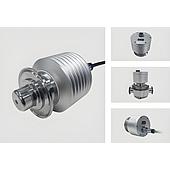
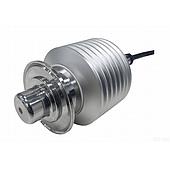
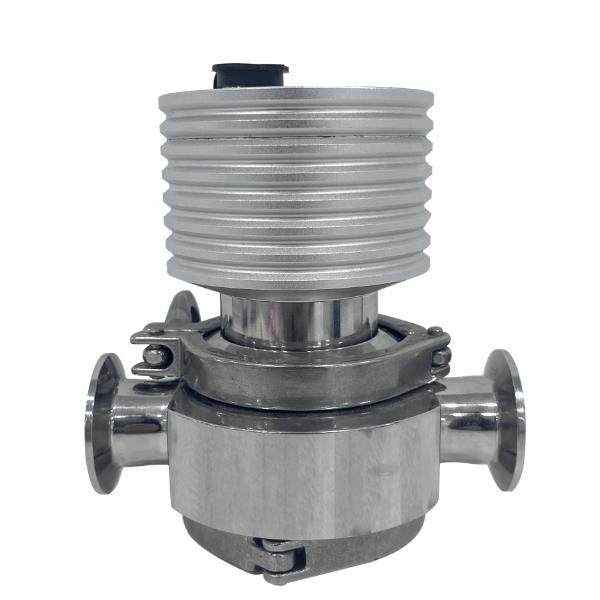
The source information for the CHNSpec inline refractometer describes SS316L stainless steel for liquid-contact components and a sapphire lens for the optical interface. These materials are presented as part of a corrosion-resistant design intended for harsh chemical environments, including strong-acid service.
SS316L stainless steel is described in the source as a material selected for corrosion and oxidation resistance. The sapphire lens is described as a hard, wear-resistant optical material with a Mohs hardness of 9. In an inline optical instrument, the condition of the lens is significant because deterioration of the measurement surface may affect measurement stability.
Material selection should be reviewed against the specific process medium and operating conditions. Chemical composition, temperature, pressure, installation arrangement, and exposure duration can all be relevant when assessing whether an instrument is appropriate for a particular line.
Temperature compensation and process use
The source states that the inline refractometer includes automatic temperature compensation. Temperature can influence refractive-index-based readings, so compensation is relevant when process temperatures vary. In practical use, teams should confirm that the measurement setup and temperature conditions match the requirements of their concentration-monitoring application.
Inline measurement can provide a basis for observing changes as they occur in the process. This may help operators review concentration trends and make process adjustments when required. It also supports a more connected approach to measurement in automated production environments, where current process data can inform day-to-day operational decisions.
Key points to evaluate before deployment
- Confirm compatibility between all liquid-contact materials and the actual strong-acid solution.
- Review the expected concentration range and measurement requirements for the process.
- Assess process temperature and the role of automatic temperature compensation.
- Plan the installation location to suit the process line and operating conditions.
- Consider access for inspection and maintenance of the optical measurement surface.
For chemical processes involving corrosive solutions, an inline refractometer can be evaluated as a concentration-monitoring option based on its optical measurement principle and material design. A careful application review helps determine whether the instrument configuration supports the process conditions and maintenance objectives of the facility.