What does gas mean?
Gas is a form of gas, consisting of many flammable gas compounds, capable of moving freely and having no fixed shape or volume. Gas typically includes gases such as propane, butane, methane, ethane and other gas compounds.
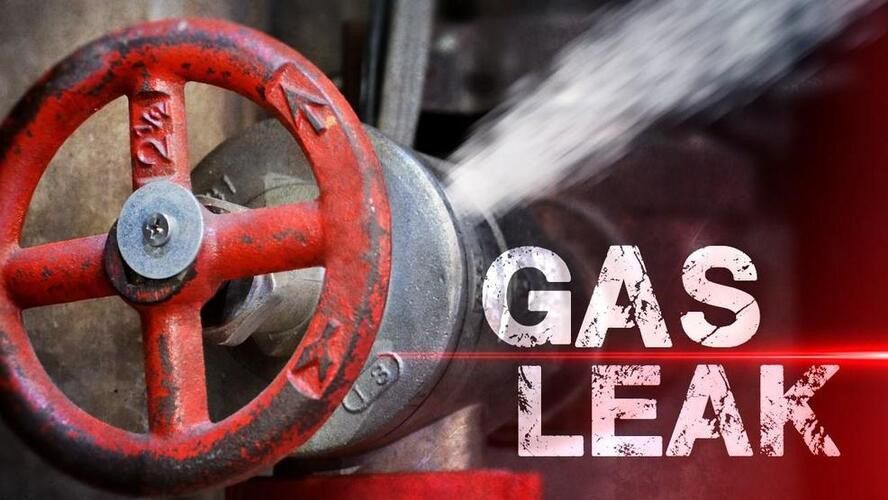
They can occur naturally or be the product of industrial processes. Gas is used as a fuel, in chemical production, and in many applications from household to industrial.
Common uses of gas include heating, cooking, and in industrial processes. Depending on the type of gas, they can be stored under high pressure or as liquid in special containers.
Toxicity of gas
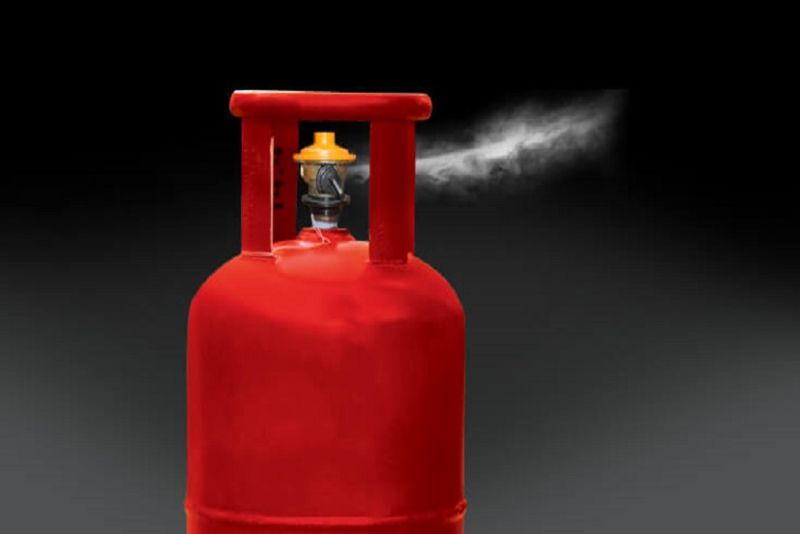
Inhaling gas can be dangerous and toxic to your health, depending on the type of gas and its concentration. Some risks of inhaling gas include:
- Carbon Monoxide (CO): This is an extremely toxic gas. Inhaling high concentrations of CO can cause poisoning, because CO combines with hemoglobin in the blood, reducing the ability to carry oxygen, which can lead to death.
- Hydrogen Sulfide (H2S): This gas has a rotten egg smell and is very toxic. Inhaling high concentrations of H2S can cause headaches, loss of consciousness and even death.
- Ammonia (NH3): This is a bitter and irritating gas. Inhaling high concentrations of NH3 can irritate the respiratory tract and damage the mucous membranes of the eyes.
- Chlorine (Cl2): This gas has a yellow-green color and a pungent odor. Inhaling high concentrations of Cl2 can cause damage to the respiratory tract and mucous membranes of the eyes.
- Propane, Butane and other gases: Although usually not toxic if used properly, inhaling them at high concentrations can pose a fire hazard and cause adverse health effects.
When gas leaks, what does it usually smell like?
Natural gas has no odor, but additives are often added to create a characteristic odor, which helps alert consumers to leaks. A common smell added to gas is the smell of rotten eggs or the characteristic smell of corn or wood. This smell is created by adding ethyl mercaptan, a compound with a clear and unpleasant odor, helping users easily recognize the risk of gas leaks and handle the situation safely.
How to use a gas meter to identify gas leaks
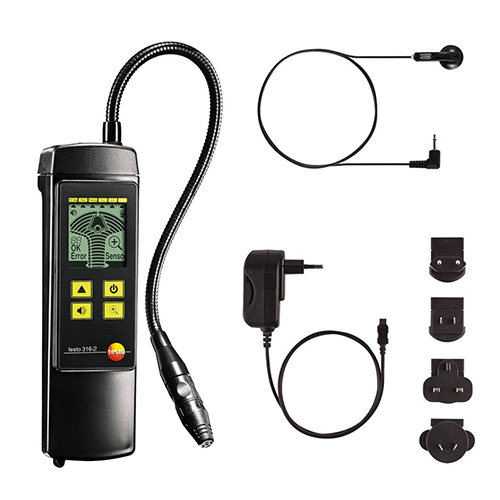
Identifying gas leaks is very important to ensure the safety of you and those around you. An effective and quick way to do this is to use a gas meter. This is a popular specialized device in many industries and safety applications.
Gas detectors use special sensors or probes to detect gases such as methane, propane, and hydrogen. These sensors can detect and measure gas concentrations at very low levels. Thanks to gas meters, we can detect leaks early and receive timely warnings, thereby minimizing risks and ensuring safety.
Some advantages when using a gas meter:
Using a gas meter brings many advantages such as:
- Accurate and sensitive: The gas meter can detect even very low gas concentrations with high accuracy, helping to quickly identify problems.
- Multi-function: This device is capable of detecting many different gases, from methane, propane, to hydrogen, allowing for safe management in many situations.
- Convenient and flexible: With a compact design, the gas meter is easy to use and move, suitable for many different environmental conditions.
- Safety: Thanks to the ability to detect leaks early, gas meters help minimize potential risks, protecting users and the surrounding environment.
Refer to some gas meters at EMIN: Testo 316-EX, BH-4A/Pump, FG110,..
See more products at: Single gas meter
Steps to handle gas leaks
When a gas leak is detected, timely and proper handling is very important to ensure safety for you and the surrounding environment. Here are the steps you should take when you detect a gas leak:
1. Leave the dangerous area: If you do not know how to handle it, as soon as you detect a gas leak in the house or any other space, quickly leave that area to avoid exposure to toxic gas. harmful.
2. Turn off the gas supply: If the source of the leak is identified and can be safely accessed, immediately turn off the gas supply. This will help prevent gas from continuing to leak into the environment.
3. Increase ventilation: Open doors and windows to increase ventilation in the leak area, helping to reduce gas concentration in the air, thereby reducing the risk of fire and explosion.
4. Avoid using fire sources and electrical equipment: Do not use any fire source or electrical equipment near areas with gas leaks, including lights and mobile phones, as they may cause sparks and risk of fire and explosion.
5. Report to authorities: Contact authorities or emergency services immediately to report the situation and request necessary help.
6. Safety check: Once the gas leak has stopped and the area has been adequately ventilated, thoroughly check to make sure the hazard is gone before returning to use of the space.
Remember that dealing with a gas leak needs to be done quickly and carefully to ensure the safety of you and those around you. If you feel unsafe or not confident in handling it, contact emergency services or a fire specialist for assistance.