The Vietnamese seafood processing and export industry is facing increasingly stringent technical standards from major markets such as the European Union (EU) and the United States. To navigate technical barriers and SPS measures, rigorous control of water quality parameters from aquaculture to preliminary processing is both a mandatory requirement and the key to safeguarding reputation and ensuring sustainable corporate development.
Stringent Requirements from the EU/US and Practical Challenges
In these two key export markets, food safety authorities such as the US FDA and the EU EFSA enforce strict regulatory mechanisms:
Zero Tolerance Policy for Banned Antibiotics: Maximum Residue Limit (MRL) regulations for prohibited antibiotics and chemicals (Chloramphenicol, Nitrofuran, Malachite Green, etc.) are set at extremely low thresholds (measured in parts per billion - ppb). Detecting a violation in a single shipment puts businesses at risk of rejections, destruction of goods, or placement on the system-wide Red List.
Microbiological and Environmental Safety Standards: Water used in both aquaculture and processing must be thoroughly controlled to eliminate enteric pathogens (Salmonella, E. coli, Vibrio cholerae). In addition, international certifications like ASC, BAP, and GlobalGAP require wastewater discharged into the environment to meet standards for COD, BOD, Ammonia, and turbidity, ensuring no harm to local ecosystems.
Practical Challenges Faced by Farmers and Businesses
High Investment Capital: Equipping automatic monitoring systems, high-precision measuring devices, and ISO/HACCP-compliant water treatment processes requires significant initial capital, creating financial pressure on small and medium-sized farmers and cooperatives.
Measurement and Technical Limitations: Reliance on sensory experience for management remains common. Poor control or improper routine calibration of equipment leads to measurement errors, preventing farmers from detecting toxic gas accumulation or sudden overnight drops in dissolved oxygen in a timely manner.
Unpredictable Natural Environmental Changes: Climate change, saltwater intrusion, extreme weather events, and increasing pollution in intake water sources make maintaining stable pH, ORP, and microbiological parameters in farming ponds complex and costly.
Technical Significance of Key Water Environment Parameters
To satisfy export standards and overcome these challenges, mastering and controlling water quality metrics is essential. In intensive aquaculture ponds and preliminary processing facilities, water quality directly determines aquatic survival rates, growth speed, and contaminant residue levels in final products.
pH (Acidity/Alkalinity): The optimal pH range for aquatic species is 7.5 to 8.5. Fluctuations greater than 0.5 units per day cause severe stress, weaken the immune system, and increase the toxicity of pollutants. Monitoring this parameter using a portable pH meter or an automated probe system helps farmers make timely adjustments with lime or minerals to stabilize the environment.
EC & TDS (Electrical Conductivity & Total Dissolved Solids): EC reflects electrical conductivity, directly linked to salinity and mineral ion concentrations. Using an EC meter allows farmers to adjust optimal salinity for each growth stage of shrimp and fish. Meanwhile, a TDS meter provides an accurate assessment of total dissolved solids in farming ponds as well as intake water for processing, ensuring the water is free from heavy metal impurities or excess minerals.
DO (Dissolved Oxygen): Minimum DO concentration must be maintained above 4" mg/L" in farming ponds and reach saturation levels in preliminary processing tanks. DO deficiency reduces feed intake, increases the Feed Conversion Ratio (FCR), slows growth, and elevates the risk of toxic gas generation at the pond bottom.
ORP (Oxidation-Reduction Potential): ORP reflects the rate of organic matter decomposition and the natural self-purification capacity of water. A high positive ORP value indicates an oxygen-rich, safely oxidizing environment. Conversely, a deep negative ORP warns of anaerobic conditions at the pond bottom, which readily generate dangerous toxic gases like H2S and NH3.
Ammonia (NH3/NH4+): Total ammonia exists in two forms: un-ionized toxic gas NH3 and less toxic ionized ammonium NH4+. As water pH and temperature rise, the proportion of free NH3 surges, causing gill damage, acute or chronic toxicity, and directly disrupting oxygen transport in the bloodstream of aquatic animals.
Comprehensive Solutions for Water Quality Management and Control
Based on a clear understanding of export standards and technical parameters, aquaculture facilities and processing plants need to establish a synchronized, scientific water quality management process:
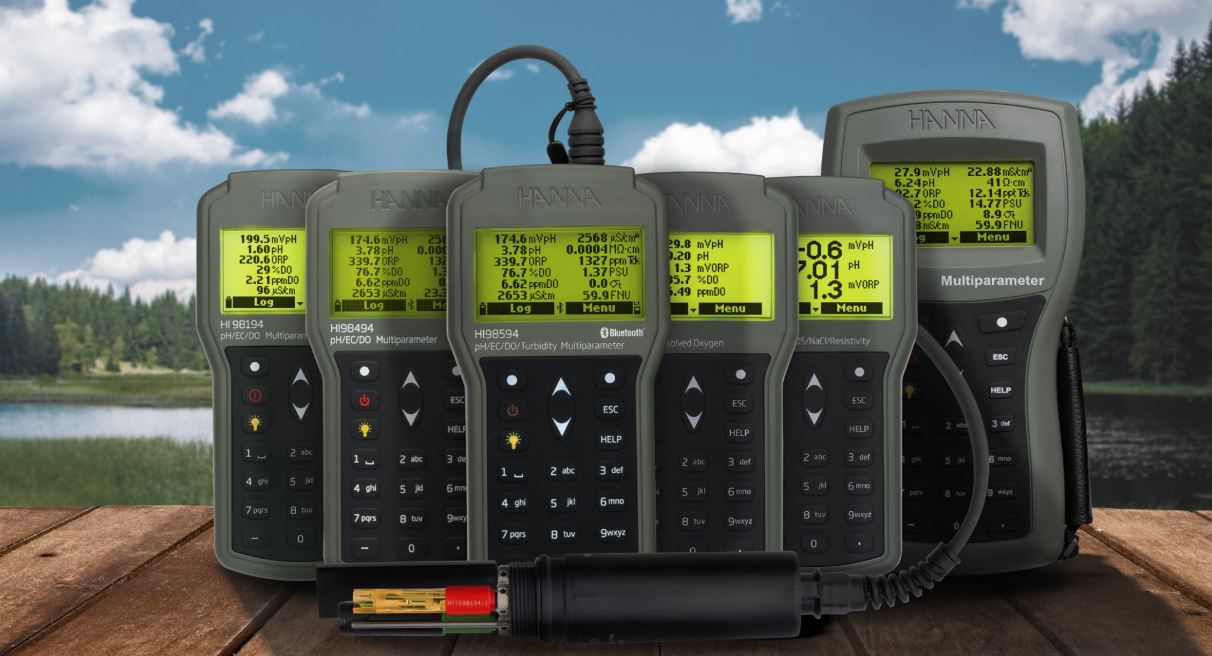
Deploy Multi-Parameter & Automatic Monitoring Equipment: Utilize multi-parameter water testers or online monitoring systems to continuously track pH, DO, ORP, and temperature. This enables early detection of abnormal fluctuations as soon as they arise, allowing for timely corrective actions before wide-scale issues occur.
Enforce Strict Control over Processing Water: In processing plants, water used for washing and ice production must 100% meet drinking/potable water standards. Dissolved oxygen levels should be kept high to inhibit spoilage microorganisms, while pH must be stably managed to preserve muscle structure and natural product color.
Perform Regular Equipment Calibration and Maintenance: Ensure sensor accuracy through routine calibration with standard solutions according to manufacturer guidelines, adhering strictly to international quality management frameworks such as HACCP, ASC, and BAP.
Systematic investment in water environment management systems is not merely an operational cost; it is a strategic investment that enables seafood businesses to optimize survival rates, enhance commercial product quality, fully meet strict international market demands, and achieve sustainable growth.